Canvas Bag Material Guide for Custom Tote Bags and Branded Bag Projects
Canvas suits custom tote bags and branded merchandise projects that need a reusable feel, visible woven texture, and a broad logo area.
For B2B sourcing, a canvas tote bag manufacturer should review fabric weight, weave, logo method, handles, quantity, packaging, and sample approval against the finished-bag requirements.
Direct Answer: When Should Buyers Choose Canvas?
Canvas is usually strongest for custom tote bags and retail-style branded bags when the buyer wants a more substantial hand feel, visible texture, and a reusable product experience. It is less suitable when the project needs the lowest giveaway cost, very light folding, strong water resistance, or technical backpack and travel-bag performance.
For most B2B buyers, the main question is not simply whether canvas is "good." The better question is whether a specific canvas weight, finish, color, logo method, and construction plan can meet the target price, sample timeline, and product use.
If you are still comparing material families, the Bag Materials hub gives the broader overview. If you already know canvas is a possible direction and need to compare it against other options before sampling, the Bag Material Selection Guide can help with the wider sourcing decision.
In a custom bag manufacturing project, canvas works best when the material choice is reviewed together with structure, logo method, MOQ, target cost, sales channel, and packaging needs. A canvas tote for retail packaging is not the same sourcing decision as a low-cost giveaway bag or a structured handbag-style project.
Comparing canvas weights, logo methods, or natural and dyed options? Send your bag size, target quantity, artwork, and reference photo before sampling.
What Buyer Problem Does Canvas Solve?
| Buyer problem | How canvas can help | What still needs to be checked |
|---|---|---|
| The bag should feel more reusable than a disposable giveaway | Canvas can give a stronger hand feel and more visible fabric texture | Fabric weight, handle strength, stitching, and packing method |
| The brand needs a large printable area | Canvas tote panels can provide broad logo space | Artwork detail, fabric texture, ink color, print method, and sample approval |
| The buyer wants retail or merchandise positioning | Canvas can support bookstore, cafe, museum, event, and brand merchandise bags | Target cost, bag structure, color, finishing, and packaging presentation |
| The project needs a natural-looking material direction | Natural canvas can support a tactile look | Natural appearance is not the same as organic, recycled, certified, or sustainable proof |
| The buyer needs a quote-ready specification | Canvas can be planned by weight, color, handle, logo, lining, and packaging | MOQ, fabric availability, sample lead time, and supplier documentation |
What Is Canvas in Custom Bag Manufacturing?
Canvas is a woven fabric used in many reusable bag projects. In sourcing discussions, buyers usually treat canvas as a material direction, not one fixed specification. The final result depends on fiber content, weave, weight, color, finish, washing, coating, lining, stitching, and the overall bag structure.
Common canvas directions include cotton canvas, cotton-blend canvas, natural canvas, dyed canvas, washed canvas, and heavier canvas for a more substantial tote or retail feel. Recycled cotton canvas may also be considered when the buyer has a sustainability positioning goal, but recycled-content claims should be supported by supplier documentation before they are used publicly.
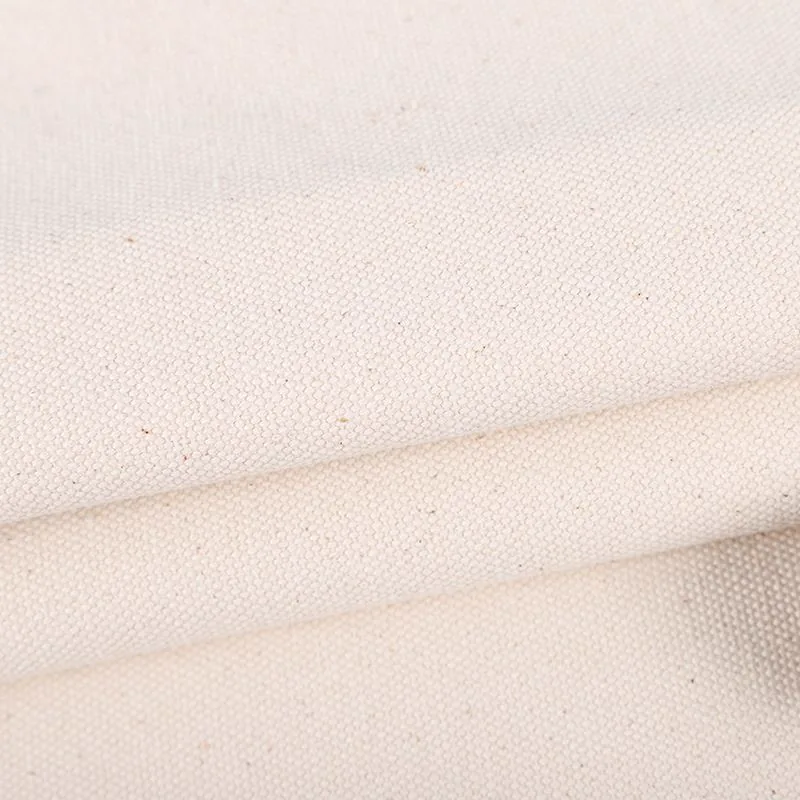
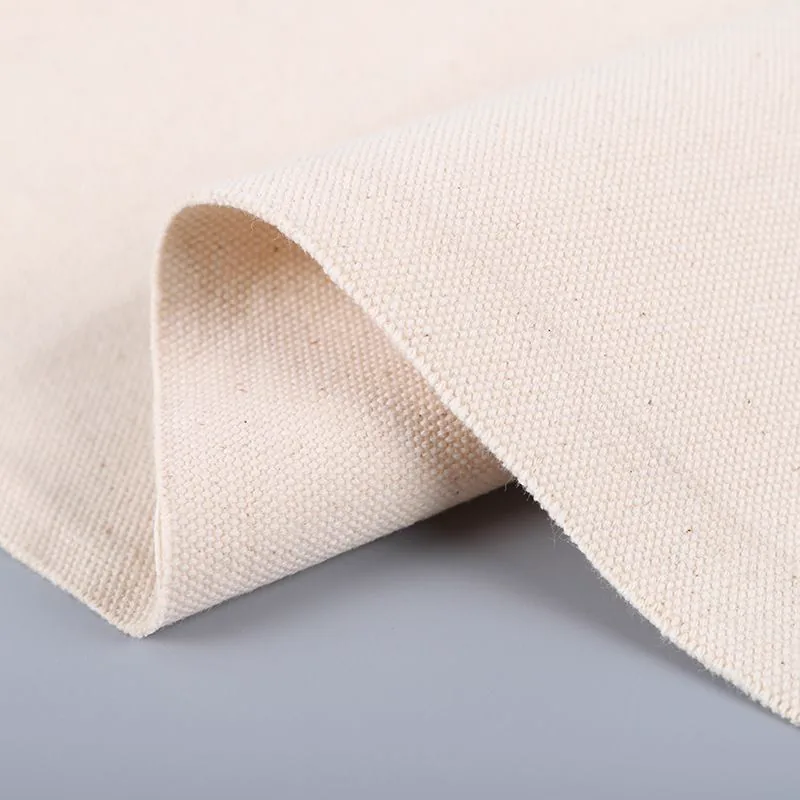
Cotton duck canvas is a tightly woven canvas direction often discussed for tote bags and utility-style products. It should still be reviewed by weight, hand feel, shrinkage behavior, logo method, and sample result rather than selected by name alone.
Coated canvas should be treated as a different material finish, not just standard canvas with a simple upgrade. Coating can affect water resistance, surface feel, logo method, sewing behavior, flexibility, and testing requirements. If coated canvas is part of the project, the finish should be reviewed during sampling instead of assumed from a photo.
Canvas can be practical, but it is not automatically organic, recycled, certified, waterproof, or more sustainable than every alternative. Those claims depend on the fiber source, supplier documentation, certification scope, finishing process, and final product wording.
When Canvas Is a Good Choice
Canvas is a strong direction when the buyer wants the finished bag to feel reusable, visible, and brandable. It is especially common when the product needs a retail or merchandise identity rather than the feel of a disposable giveaway.
Canvas is often a good fit for:
- Reusable retail tote bags
- Custom canvas tote bags for branded merchandise
- Bookstore, cafe, museum, event, and gift-shop bags
- Premium promotional bags
- Natural-positioned packaging projects
- Medium-to-heavy tote bags
- Projects where logo visibility and fabric texture both matter
For custom tote bags, canvas is often reviewed early because it can support a broad print area and a more substantial hand feel. Buyers who want a bag that customers may keep using after purchase often compare canvas weight, handle construction, logo method, color, and packaging before confirming the sample.
Canvas also works well when the buyer wants the bag to communicate a more tactile brand feel. A natural canvas tote with a simple logo may support a different sales story from a glossy coated polyester bag or a low-cost non-woven promotional tote.
When Canvas May Not Be the Best Choice
Canvas is not the right answer for every custom bag project. It can be too expensive, too heavy, too textured, or too limited for some buyer goals.
Canvas may not be the best first choice when the project needs:
- Very low-cost giveaway bags
- Very lightweight foldable bags
- Strong water resistance or outdoor performance
- Extremely smooth logo detail on a flat surface
- Tight delivery with special color or fabric weight requirements
- Backpack or travel bag construction that needs higher abrasion resistance, lining, coating, padding, or technical structure
For high-volume promotional programs, non-woven polypropylene, lightweight polyester, or simple cotton may be more practical if unit cost and delivery speed are the main priorities. Canvas usually fits better when the buyer wants the bag to be reused, kept, sold, or presented as branded merchandise.
For custom backpacks and custom travel bags, polyester, nylon, RPET, or coated fabrics may be better starting points when the product needs lining, padding, zipper strength, reinforcement, or more technical durability planning.
For OEM handbag projects, canvas can work for certain casual or structured retail styles, but it should be reviewed with lining, hardware, shape retention, edge finishing, and the intended retail positioning.
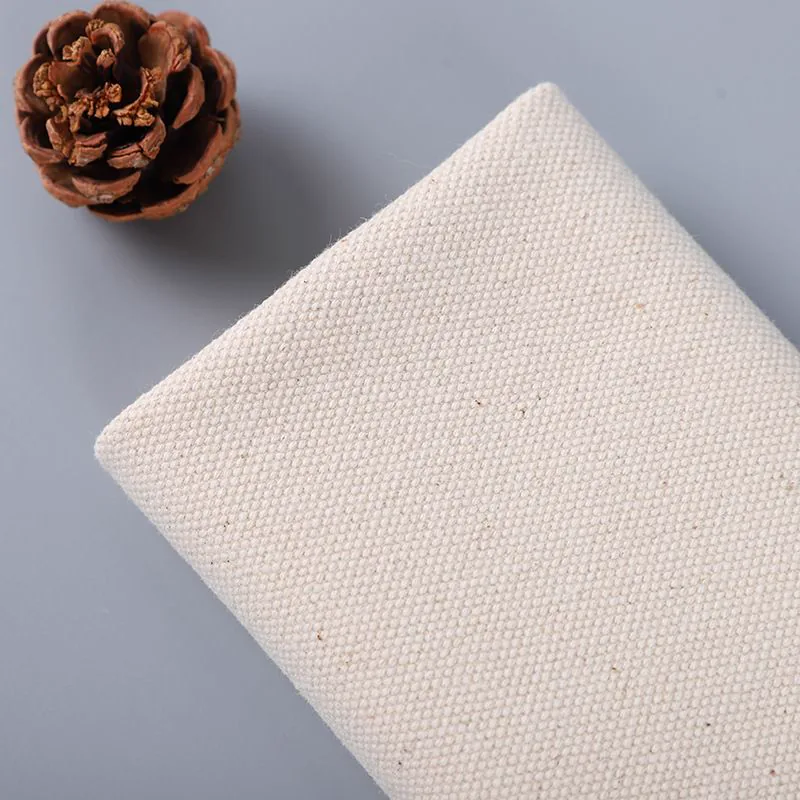
Canvas Weight and Hand Feel
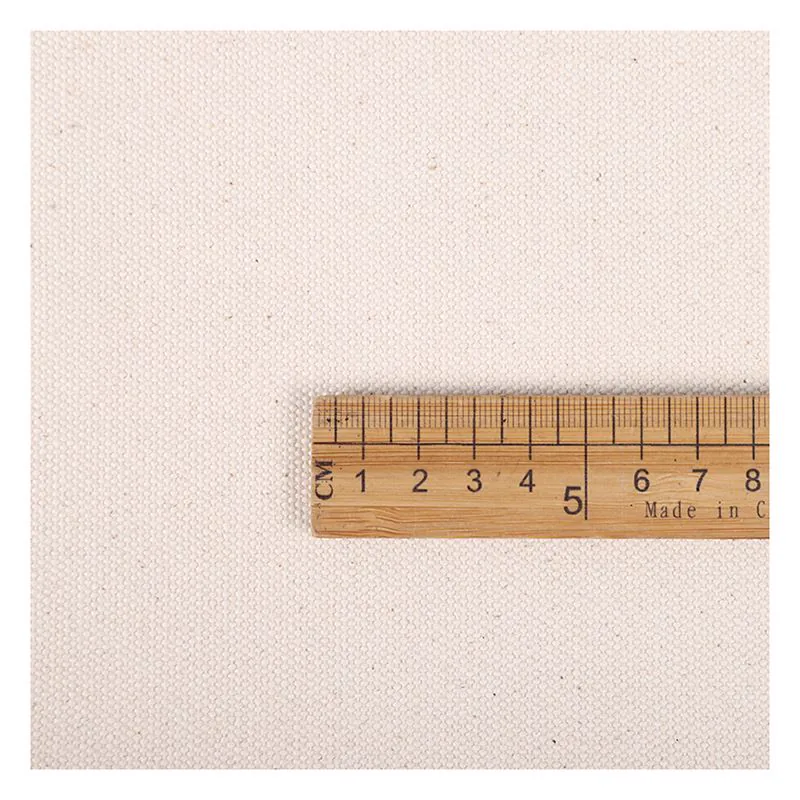
Canvas weight affects how the bag feels in hand, how it hangs, how it prints, how it folds, and how much it costs to ship. A heavier canvas may feel more premium, but it can also increase material cost, sewing difficulty, carton weight, and freight cost.
There is no single universal canvas weight that fits every buyer. Actual weight specifications should be confirmed with the fabric supplier before sampling.
| Canvas direction | General feel | Typical buyer use | Production consideration |
|---|---|---|---|
| Lightweight canvas | Softer, easier to fold, less structured | Simple reusable totes, lower-cost retail packaging, lighter promotional bags | May reduce material cost and shipping weight, but may not feel premium enough for every retail project |
| Medium-weight canvas | Balanced hand feel with better structure | Retail totes, bookstore bags, cafe bags, merchandise bags, everyday reusable totes | Often a practical middle ground, but print method, shrinkage, and handle strength should still be checked |
| Heavy canvas | More substantial, stronger perceived value, more structured | Premium retail totes, branded merchandise, heavier reusable bags | Can increase cost, sewing complexity, sample review needs, and freight weight |
Buyers should avoid choosing canvas weight only from a number in a spec sheet. The final feel also depends on weave, finishing, washing, dyeing, lining, handle material, and the overall bag structure.
Shrinkage, Colorfastness, and Sample Testing
Canvas can behave differently after dyeing, washing, printing, pressing, coating, or packing. If the final product may be washed, exposed to moisture, packed tightly, or used with dark colors, buyers should review shrinkage, color transfer, print clarity, and finishing behavior during sample approval.
For projects with strict retail or procurement requirements, the buyer may need supplier documentation or third-party testing. The required test method depends on the sales channel, claim wording, and buyer’s own compliance process. Do not assume that a natural canvas look automatically proves chemical safety, colorfastness, recycled content, or organic status.
Canvas vs Cotton vs Polyester vs Non-Woven PP
Canvas, cotton, polyester, and non-woven PP can all be used in custom bag projects, but they solve different buyer problems.
| Material | Buyer reason to consider it | Logo / branding behavior | Cost and MOQ consideration | Best-fit bag projects |
|---|---|---|---|---|
| Canvas | Stronger hand feel, visible texture, reusable retail presentation | Often works well for screen printing, embroidery, labels, and patches, but texture and weight affect detail | Stock canvas may support easier sampling; custom-dyed or heavier canvas can increase MOQ, cost, and lead time | Tote bags, retail bags, premium promotional bags, merchandise bags, selected casual handbag styles |
| Cotton | Softer, lighter, natural-looking material direction | Can support simple printing and lightweight branding, but thin fabric may show less premium structure | Often practical for simpler reusable bags; organic, recycled, or custom fabric requirements need documentation and MOQ review | Lightweight totes, drawstring bags, retail packaging, simple promotional bags |
| Polyester | More technical, durable, color-flexible material direction | Can support multiple logo methods, but coating, texture, and heat tolerance should be checked | Standard polyester may be stable for repeat orders; coated or specialty polyester can add sourcing complexity | Backpacks, travel bags, drawstring bags, promotional bags, some structured totes |
| Non-woven PP | Lightweight and cost-sensitive promotional direction | Usually suitable for simple promotional printing rather than premium retail finish | Often considered for high-volume event and giveaway programs | Event bags, simple promotional totes, low-cost reusable campaigns |
Canvas is often stronger when brand feel and texture matter. Cotton can be better when softness and simplicity matter. Polyester is often more practical when structure, color range, or travel-oriented use is more important. Non-woven PP is usually considered when promotional cost and volume are more important than premium hand feel.
Logo Methods for Canvas Bags
Canvas is usually friendly to visible branding, but the logo method should still be confirmed before bulk production. Fabric texture, fabric color, canvas weight, washing, and finishing can all affect how sharp the logo looks.
Screen printing is common for canvas tote bags because it can cover larger artwork areas and keep costs manageable for many branded projects. Buyers should check ink color, fabric color, logo size, and the level of detail before approval.
Embroidery can add a more premium feel, especially for retail merchandise, but it needs the fabric to hold the stitch density without puckering or distortion. Heavier canvas may support embroidery better than very lightweight fabric, but the logo artwork still needs review.
Woven labels are useful when the brand wants a cleaner retail finish or does not want the logo printed directly across the fabric. Labels can also help when the canvas texture is not ideal for fine printed detail.
Patches can work well on canvas bags, especially when the buyer wants a more structured brand detail. Canvas, PU, leather-like, embroidered, or woven patches should be checked for attachment method, edge finish, placement, and cost.
Heat transfer may be possible on some canvas or cotton-blend materials, but the result depends on heat tolerance, surface texture, adhesion, and the expected use of the bag. It should be tested before bulk production.
Leather or PU patches can be used as a branding detail when the project needs a retail or lifestyle feel, but buyers should confirm patch material, attachment, color, and whether the detail fits the target price point.
How Canvas Affects MOQ, Cost, and Sampling
Canvas decisions can change the sourcing plan quickly. A standard stock canvas in an available color may support faster sampling and a more flexible starting quantity. A custom-dyed canvas, unusual fabric weight, washed finish, coated surface, recycled-content request, or special lining can add MOQ pressure, lead time, and sample review steps.
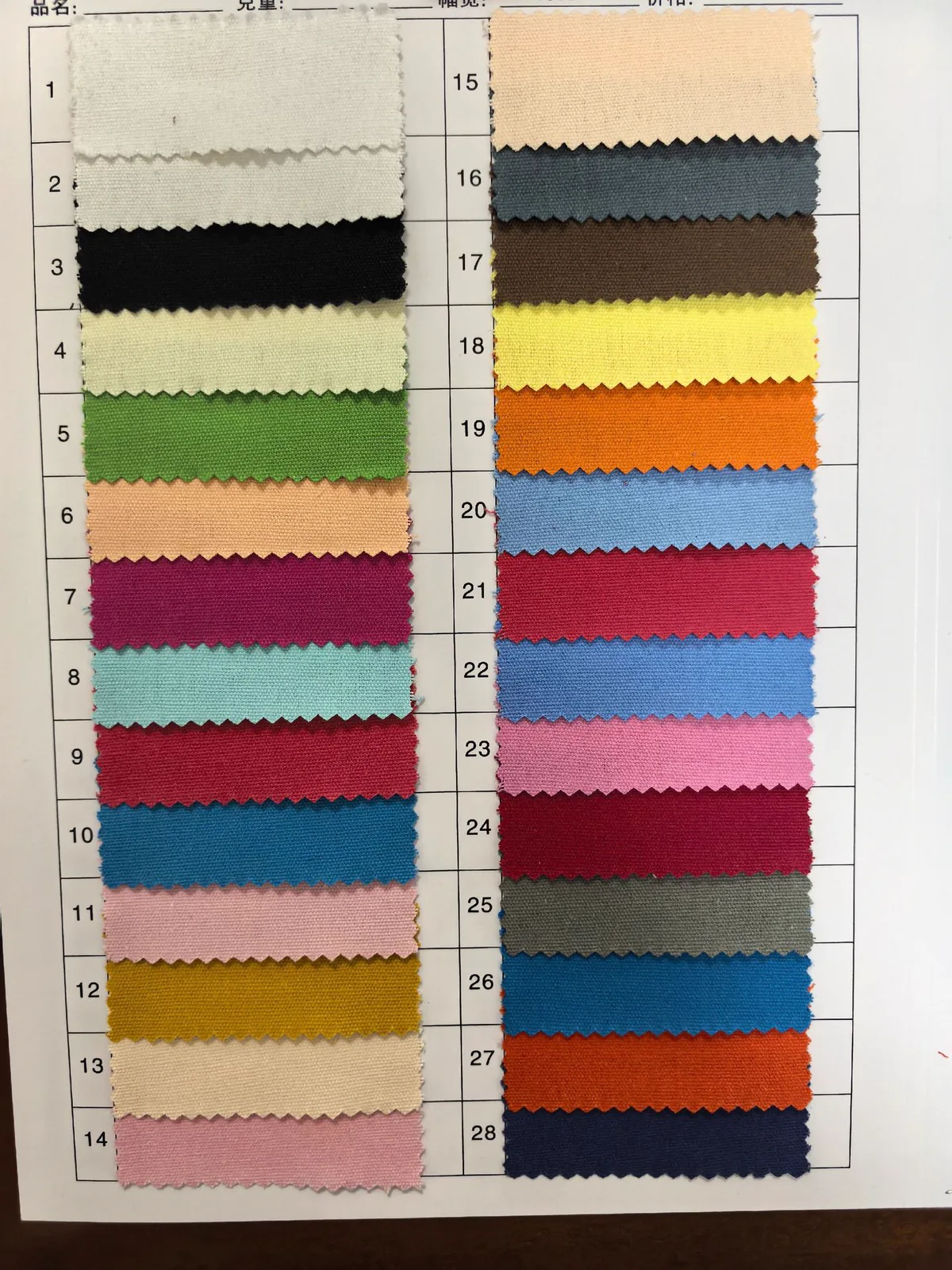
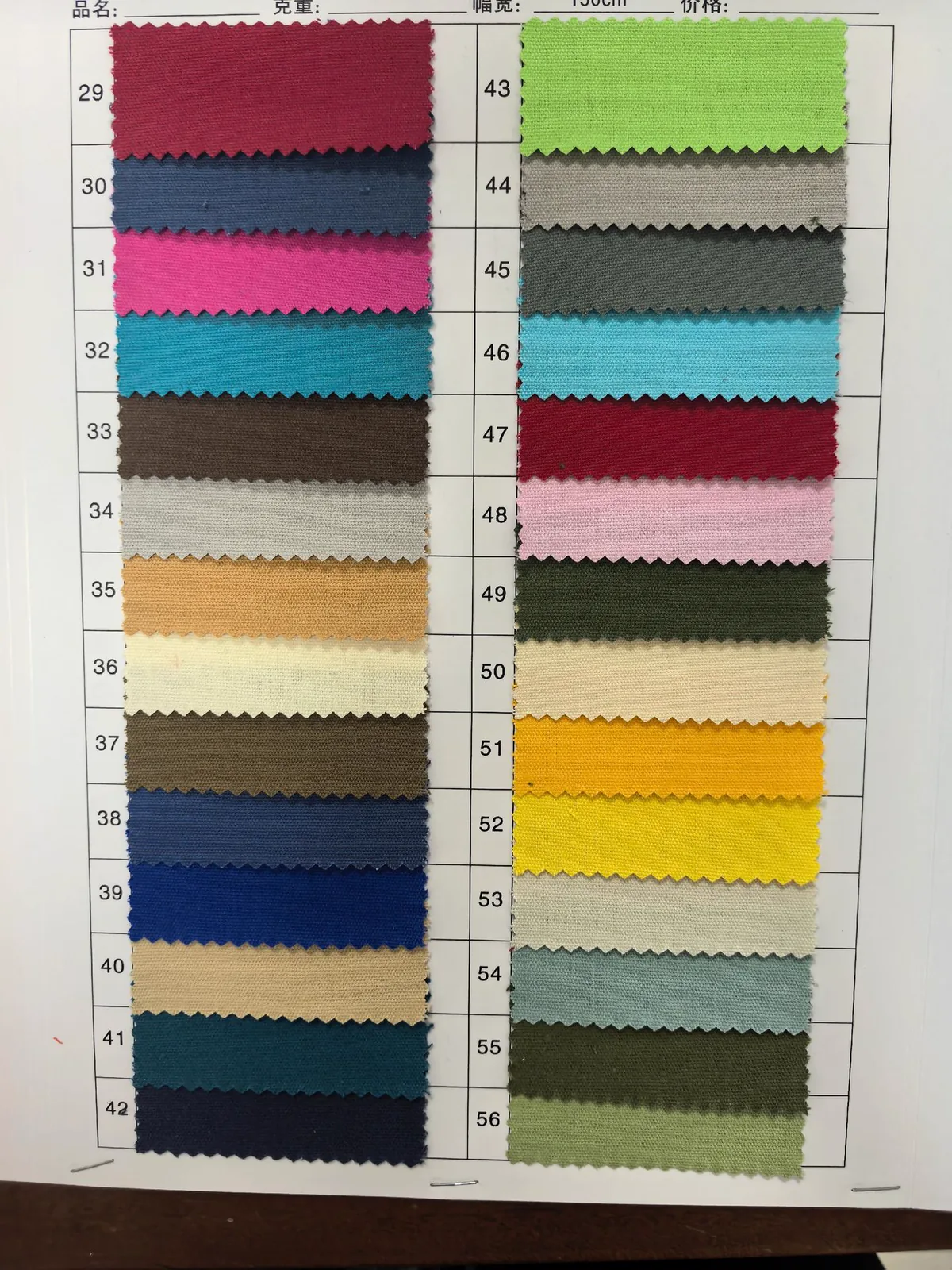
Heavier canvas can make the bag feel more premium, but it may increase fabric cost, sewing time, carton weight, and freight cost. A buyer comparing canvas options should consider not only the fabric price but also handle construction, reinforcement, logo method, folding, packing, and shipping.
Logo testing should happen before bulk production when the artwork is important to the final product. A logo that looks simple on screen may behave differently on natural canvas, dyed canvas, washed canvas, or a rougher weave. Testing is especially useful when the logo has fine lines, multiple colors, large coverage, or tight color requirements.
Washing, coating, lining, custom color, and special finishing can make the product more distinctive, but they also create more decisions before sampling. For first orders, many buyers are better served by choosing a practical canvas direction first, then upgrading material details once demand and production requirements are clearer.
If you already have a target canvas look but are unsure whether it fits your MOQ, timeline, or logo method, send the reference photo, bag size, target quantity, and artwork before sampling.
Canvas for Different Bag Types
Canvas is strongest for tote bags and retail-style projects, but it can appear in other bag categories when the structure and use case make sense.
For custom tote bags, canvas is one of the most practical materials to review when the buyer wants a reusable, brandable, and more substantial bag. The key decisions are fabric weight, handle length, print method, color, lining if needed, and whether the bag should fold easily or hold more structure.
For promotional bags, canvas can raise the perceived value of the campaign. It may be suitable for events, branded merchandise, gift-with-purchase programs, and retail promotions where the buyer wants the bag to be reused. If the campaign is mainly driven by the lowest unit cost, non-woven or lightweight polyester may be more realistic.
For handbag or structured retail projects, canvas can work when the design has a casual, natural, or merchandise-focused look. The buyer should review lining, reinforcement, hardware, shape retention, and surface finishing before choosing canvas as the main material.
For backpacks, canvas may fit certain casual styles, but it should be compared with polyester, nylon, RPET, or coated fabrics when the bag needs stronger abrasion resistance, lining, padding, zipper durability, or load-bearing construction.
For travel bags, canvas should be reviewed carefully. Travel bags often need stronger durability planning, coated or water-resistant materials, reinforced webbing, and more robust construction. Canvas can support some lifestyle travel styles, but it may not be the best material when technical performance is the priority.
Sustainability and Documentation
Canvas often feels natural, but natural appearance is not the same as a verified sustainability claim. A natural canvas bag should not be described as organic, recycled, certified, or environmentally superior unless the claim is supported by appropriate documentation.
If the project uses recycled cotton canvas, buyers should confirm the recycled-content documentation and whether a recognized certification is required for the sales channel. If organic cotton canvas is requested, certification support should be reviewed before the claim appears in product listings, catalogs, retail packaging, corporate procurement documents, or sustainability-focused marketing materials.
For recycled, organic, chemical safety, or sustainability-related claims, buyers may need to review supplier documents, testing reports, or certification records related to recognized textile, recycled-content, or third-party testing programs.
The safest approach is to match the claim wording to the actual proof available for the material and order. This protects the buyer’s product listing, packaging copy, promotional catalog, and sourcing approval process from unsupported statements.
Canvas Bag Specification Checklist
Before requesting a canvas bag sample or quotation, prepare as much of the following information as possible:
- Product type
- Bag size or approximate dimensions
- Canvas weight or desired hand feel
- Natural, dyed, washed, or coated direction
- Target quantity
- Logo method
- Logo size and number of colors
- Lining or no lining
- Handle length and handle strength requirements
- Packaging method
- Sustainability claim, if any
- Sample deadline
- Target unit cost
- Target sales channel or use case
You do not need every technical detail finalized before contacting a manufacturer. The goal is to give enough context so the canvas direction, logo method, structure, MOQ, and sampling path can be reviewed together.
If you are developing a canvas tote, retail bag, promotional bag, or structured merchandise project, Northline Bags can help review the canvas direction before sample development begins.
FAQ
Is canvas a good material for custom tote bags?
Yes, canvas is often a strong material direction for custom tote bags when the buyer wants a reusable feel, visible texture, and a large printable surface. It is especially useful for retail totes, merchandise bags, bookstore bags, cafe bags, museum shop bags, and premium promotional projects. The final choice should still be checked against MOQ, canvas weight, logo method, target cost, and expected use.
What canvas weight should I choose for a tote bag?
The right canvas weight depends on the buyer’s target feel, price range, structure, logo method, and shipping plan. Lightweight canvas may be practical for simpler bags, medium-weight canvas often works as a balanced retail option, and heavier canvas can create a more substantial feel. Actual weight specifications should be confirmed with the fabric supplier before sampling.
What is cotton duck canvas, and is it different from regular canvas?
Cotton duck canvas is a tightly woven canvas direction that is often discussed for tote bags, utility bags, and merchandise projects. It should still be evaluated by actual weight, weave, hand feel, shrinkage behavior, logo method, and sample result. The name alone does not confirm that it is the right material for every custom bag project.
Will canvas bags shrink or change after washing?
Canvas can change after washing, dyeing, finishing, pressing, or coating. The result depends on the fabric specification and production process. If washing, color stability, or exact size control matters, buyers should review sample behavior and request appropriate documentation or testing before bulk production.
Is canvas better than non-woven PP for promotional bags?
Canvas is often better when the buyer wants a reusable merchandise feel, stronger hand feel, and a more premium brand presentation. Non-woven PP may be more practical for high-volume, cost-sensitive event bags or simple giveaways. The better choice depends on budget, quantity, target use, logo method, and desired product lifespan.
Is natural canvas cheaper than dyed canvas?
Natural canvas can sometimes be simpler to source than custom-dyed canvas, but price depends on fabric weight, availability, finishing, order quantity, and quality requirements. Dyed canvas may require color approval, supplier availability checks, or higher minimums, especially when the buyer needs an exact brand color.
Can canvas bags be screen printed clearly?
Canvas bags can often support screen printing well, especially for bold artwork and larger logo areas. Very fine detail, small text, rough fabric texture, dark fabric colors, washing, or heavier weave can affect clarity. Logo artwork should be reviewed with the actual canvas sample before bulk production.
Is canvas suitable for backpacks or travel bags?
Canvas can work for some casual backpacks or lifestyle travel bags, but it should be reviewed carefully. Backpacks and travel bags often need lining, padding, zipper strength, reinforcement, abrasion resistance, and sometimes water resistance. Polyester, nylon, RPET, or coated fabrics may be more practical when technical durability and structure are priorities.
Can canvas be recycled or organic?
Some canvas may be made with recycled cotton or organic cotton, but those claims should not be assumed. Buyers should ask for supplier documentation, certification records, or testing information when recycled, organic, chemical safety, or sustainability claims will be used in product listings, packaging, catalogs, or procurement documents.
Does heavier canvas always mean better quality?
No. Heavier canvas can create a stronger hand feel and more premium perception, but quality also depends on weave, finishing, stitching, handle reinforcement, logo method, structure, and quality control. A heavier fabric can also increase cost, sewing complexity, carton weight, and shipping cost.
What should I send before making a canvas bag sample?
Send the product type, size, target quantity, desired canvas feel or weight, natural or dyed color preference, logo artwork, logo method, handle requirements, lining preference, packaging needs, target unit cost, sample deadline, and any sustainability claim you plan to use. A reference photo is helpful, but production details are needed to recommend a canvas direction that can work in sampling and bulk production.
Ready to Review Canvas Options Before Sampling?
If your material choice affects MOQ, structure, printing, or delivery timing, send your canvas bag requirements before sampling so Northline Bags can review the right fabric direction, logo method, and production path.