Custom Tote Bag Manufacturer
Northline Bags works with B2B buyers to develop custom tote bags from a brief, reference sample, sketch, or specification, covering materials, dimensions, structure, branding, sampling, and approval. A useful project review starts with the bag’s intended contents, dimensions, material direction, handle and opening requirements, logo artwork, quantity range, packaging, and target market.
These inputs allow the tote structure, material, branding method, sample route, and quotation factors to be reviewed together before bulk production is approved.
Custom Tote Bags Built Around The Buyer Use Case
The right tote bag is not defined by appearance alone. The sales channel, expected contents, carrying method, desired brand presentation, and repeat-order plan should guide the specification.
Retail And Private-Label Totes
Retail programs may need a controlled shape, repeatable color direction, labels, lining, pockets, closures, tags, barcodes, and individual packing. Confirm how the bag will be displayed, carried, packed, and reordered before sample approval.
Reusable Shopping And Merchandise Bags
Reusable shopping totes need an opening, capacity, handle, and material suited to their contents and brand position. A flat tote and a shaped shopping bag create different reinforcement, sewing, and packing requirements.
Promotional And Company Programs
Promotional programs often prioritize a clear logo area, easy distribution, predictable packing, and a controlled cost direction. Share the event date, artwork versions, color split, contents, and destination early.
Structured And Lifestyle Totes
Lining, zippers, shaped bases, pockets, hardware, PU details, and reinforced panels turn a simple tote into a developed product. Pattern, components, seams, handles, revisions, and packing then need closer review.
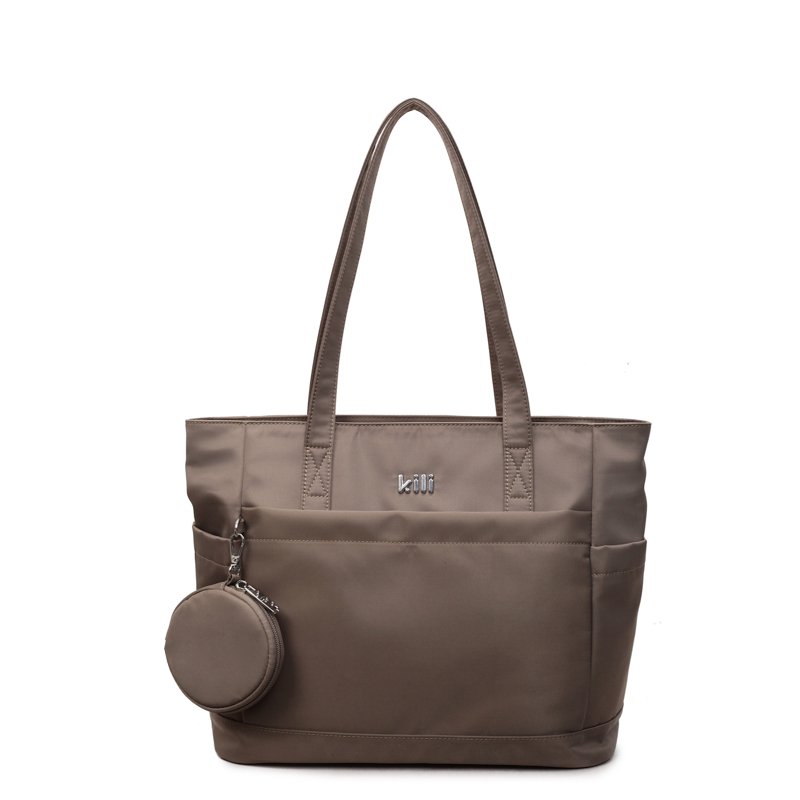
Reusable and retail tote direction with a coordinated attached pouch.
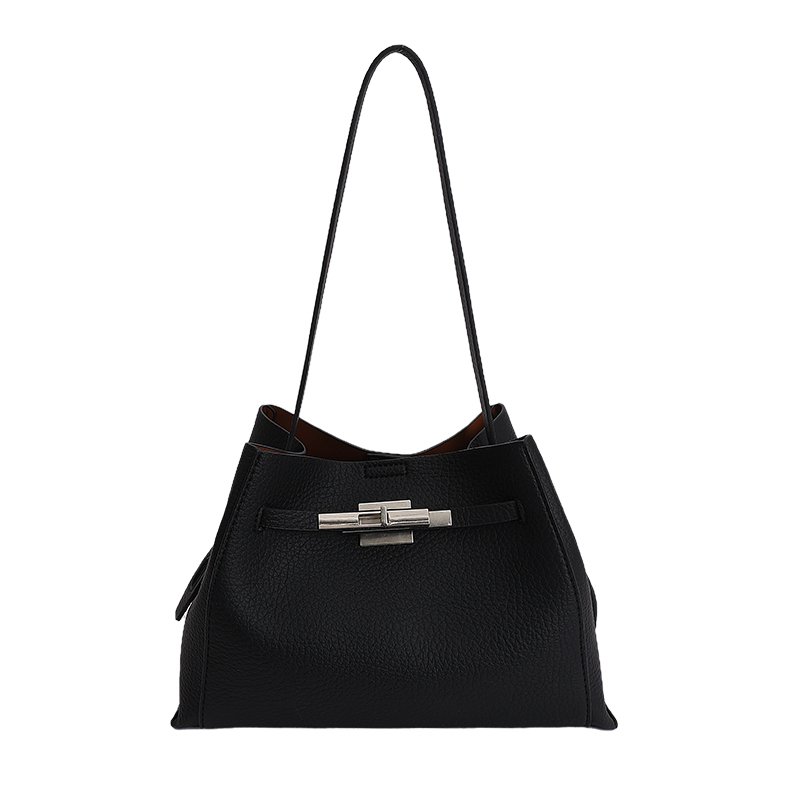
Structured PU tote direction with long handles and a controlled silhouette.
Define The Tote Specification Before Choosing A Material
A buildable specification connects use, dimensions, capacity, carrying method, opening, internal organization, and branding. A change in one area can alter the rest.
| Tote area | Buyer decision | What should be checked in the sample |
|---|---|---|
| Width, height, and gusset | Intended contents, required capacity, flat or three-dimensional shape | Usable internal space, proportions, fold lines, and finished dimensions |
| Handles and attachment | Hand carry or shoulder carry, handle drop, width, material, and reinforcement | Comfort direction, symmetry, attachment position, and finished appearance |
| Opening and closure | Open top, zipper, snap, drawcord, or another reviewed closure | Access, movement, alignment, component operation, and seam clearance |
| Lining and pockets | Unlined or lined, internal pockets, dividers, or base support | Fit, access, sewing accuracy, bulk, and compatibility with the outer structure |
| Logo and front panel | Artwork size, placement, color, and preferred method | Readability, panel position, seam clearance, color result, and surface compatibility |
With a sketch, sample, marked-up photo, or tech pack, identify the measurements and details that matter. A picture communicates direction; the production version still needs written specifications.
The Custom Bag Specification Sheet Guide explains how to organize these inputs before sampling.
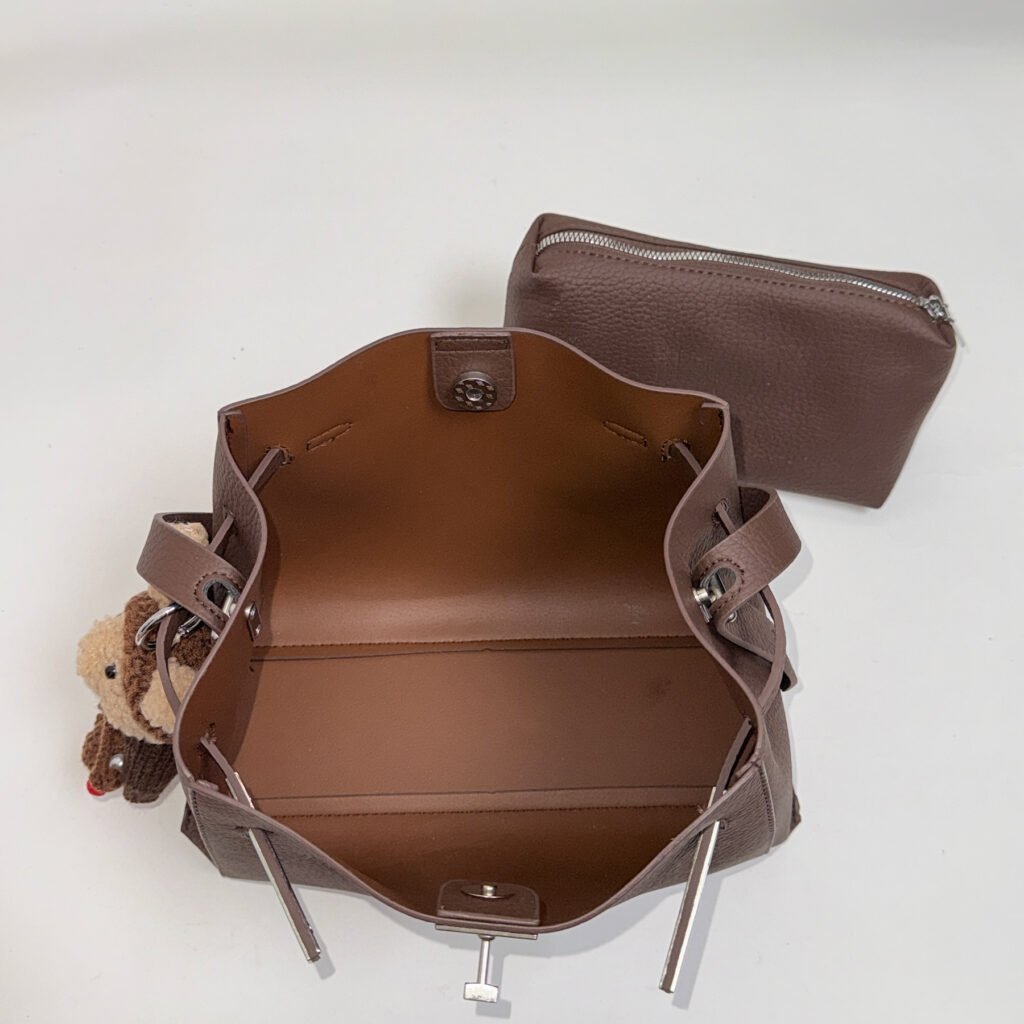
Open interior reference for reviewing access, usable space, lining, and the matching pouch.
Choose A Material That Fits The Structure And Brand Result
Canvas, cotton, polyester, non-woven PP, and coated materials create different structures, surfaces, branding results, and sourcing routes.
| Material direction | Often considered when the buyer needs | Questions to settle before sampling |
|---|---|---|
| Canvas or cotton | A visible textile character, reusable retail presentation, merchandise feel, or broad print area | Actual weight, weave and touch, available colors, dimensional behavior, handle build, inner construction, and branding process |
| Polyester or RPET direction | A lighter technical surface, foldability, color options, or a different structure from natural fabrics | Denier or weight reference, backing or coating, lining, response to heat, artwork process, and evidence required for any recycled claim |
| Non-woven PP | Lightweight promotional, event, packaging, or high-volume distribution programs | Fabric weight, lamination, seams, handles, gusset, print area, intended load, and packing method |
| PU or coated material | A smoother or more structured retail appearance, shaped panels, or hardware-led styling | Face texture, substrate, cut-edge solution, seam construction, interior, fittings, brand application, rub-off risk, and prototype result |
Material should be selected against the job the tote must do. Use, visual target, pattern complexity, artwork, planned volume, evidence requirements, and price position all shape the practical choice.
Use Bag Materials when the material family is open. The Canvas Bag Material Guide provides deeper help with canvas weight, feel, printing, shrinkage, sourcing, and documentation.
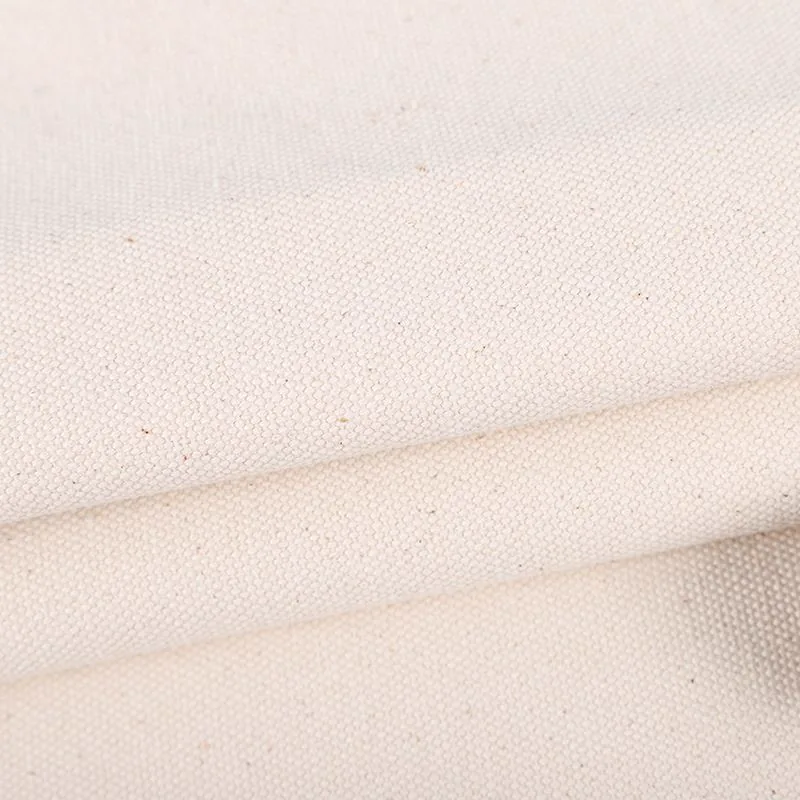
Natural canvas folds showing weave and surface character.
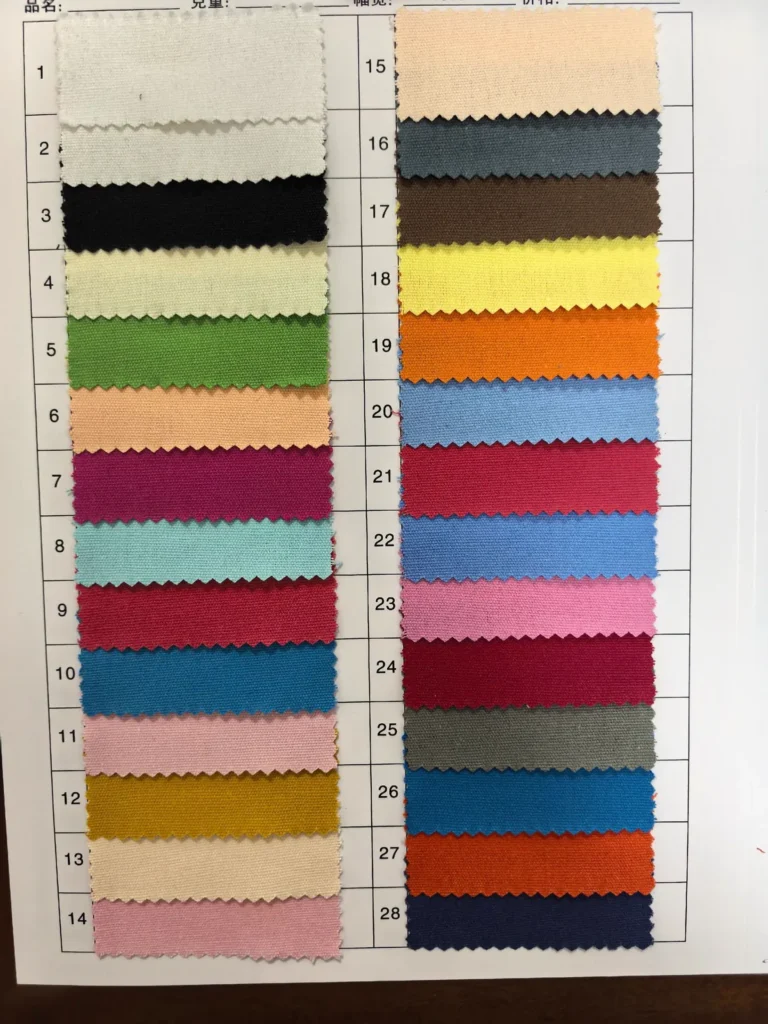
Canvas swatch reference for comparing available color directions before sampling.
Match The Logo Method To The Tote Surface
Logo results depend on artwork, material, panel construction, placement, color, and application method. One design can behave differently across canvas, polyester, non-woven PP, lined panels, and coated surfaces.
Screen Printing
Screen printing often fits clear spot-color graphics on accessible panels. Review color count, finished dimensions, location, ink appearance, base color, and reproducible detail.
Heat Transfer Or Digital Transfer
Transfers can support gradients or complex color work. Check the cloth or coating, application temperature, artwork, hand feel, and representative sample.
Embroidery
Embroidery adds thread relief and can distort a light panel. Review the stitch plan, stabilizer, panel weight, location, and puckering risk.
Labels, Patches, And Hardware Branding
Private-label details may use sewn labels, printed labels, PU or rubber badges, metal nameplates, or developed pullers. Define the graphic, finish, color, attachment, tooling need, and approved component reference.
The Custom Bag Logo Methods Guide provides the full comparison. Approve the selected method on the intended tote material and panel.
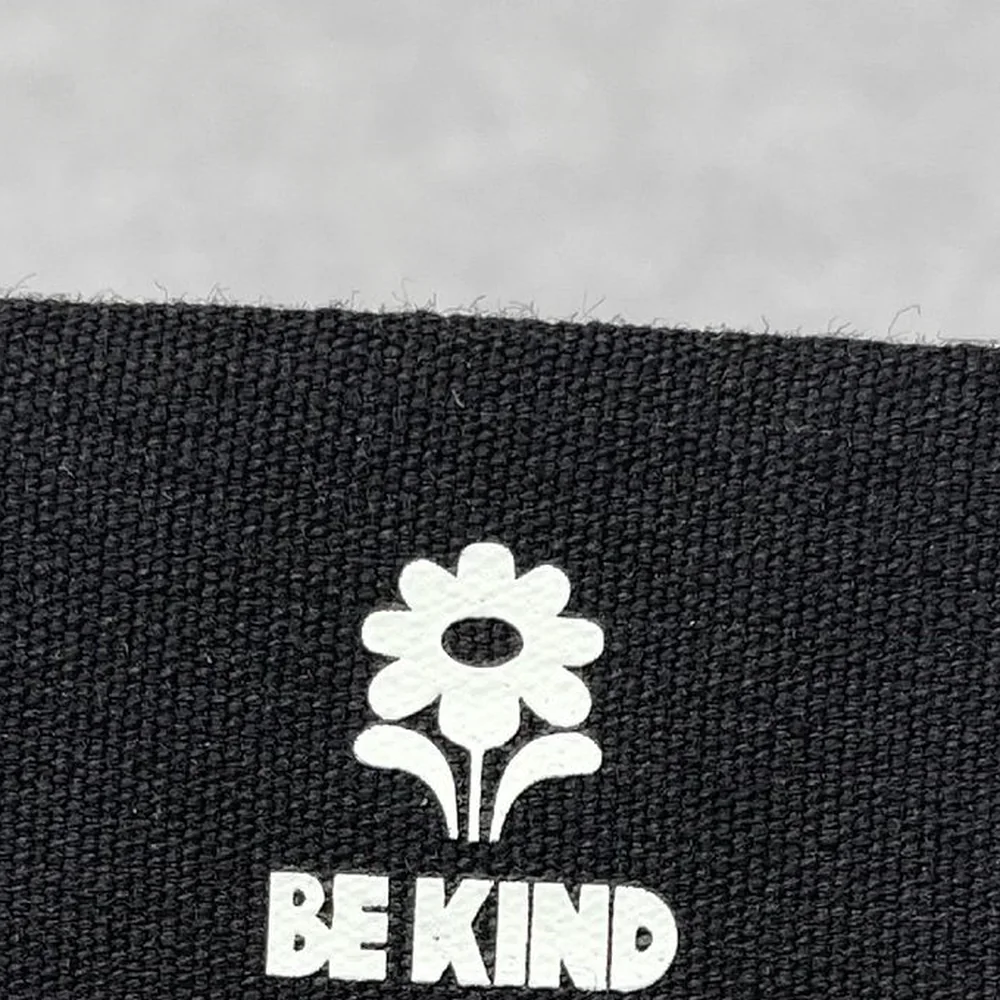
Screen-print sample showing white ink coverage on black woven fabric.
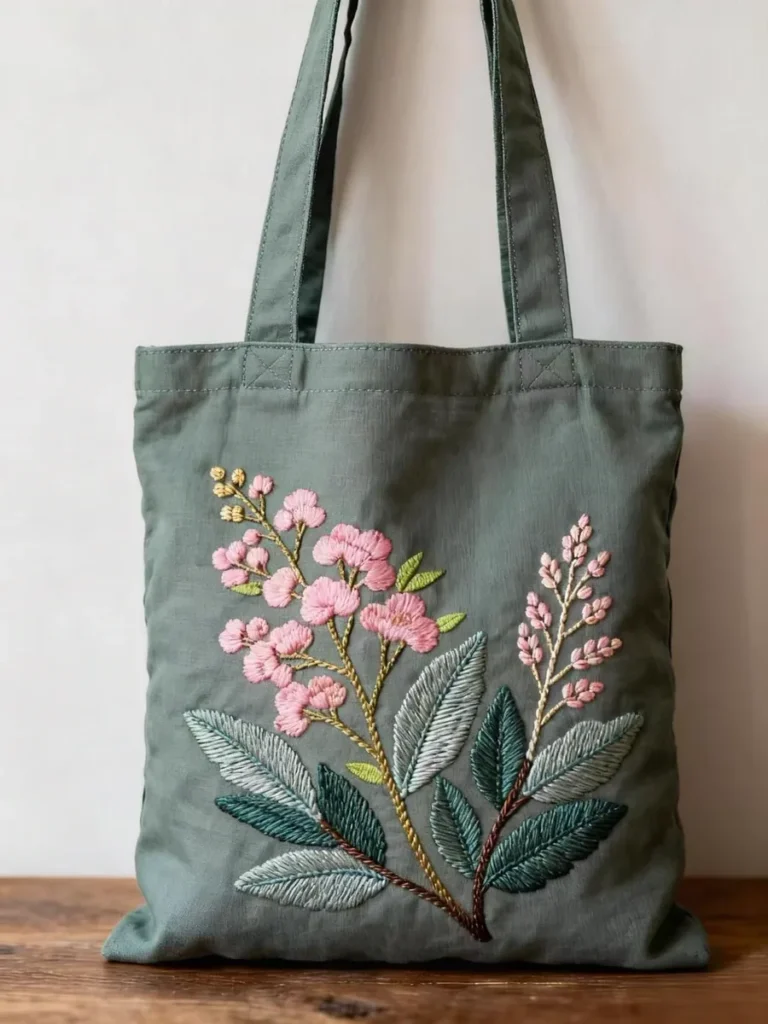
Embroidery sample showing thread relief on a fabric tote panel.
OEM And ODM Tote Bag Development
OEM and ODM briefs may start at different levels, but both need one approved production reference.
Confirm The Project Brief
Define use, contents, dimensions, material, handles, opening, internal features, branding, volume, packing, market, and delivery objective.
Translate The Brief Into A Sample
Use the sample to review proportion, capacity, handle drop, opening, pockets, structure, branding, components, and packing.
Consolidate Revisions
Record each revision by area, requested change, measurement or reference, and approval status. Consolidated feedback makes samples easier to compare.
Approve The Production Reference
Before production, align the approved sample with the material, dimensions, construction, colors, artwork, labels, components, packing, quantity, and required documents.
Review Custom Bag Sample Development for approval steps and the Custom Bag Manufacturing Process for the production handoff.
How MOQ, Cost, And Timing Are Determined
MOQ, unit price, and schedule cannot be separated from the design being quoted. A flat bag made from an available cloth creates a different setup from a lined tote with a new pattern, developed trim, several colorways, and retail packing.
More units can reduce setup cost per bag but increase stock commitment. Select quantity against design confidence, forecast demand, variant split, cash, and replenishment plans.
Review the Custom Bag MOQ And Cost Factors Guide for the wider cost logic and the Custom Bag Production Lead Time Guide when the launch or delivery date is important.
Sample And Quality Review For Tote Bags
Tote quality becomes measurable when the approved reference is converted into specific checkpoints. A project review may cover:
An appearance check cannot establish a performance or compliance statement. When a buyer needs defined load behavior, abrasion, colorfastness, resistance to moisture, chemical requirements, recycled-content evidence, or destination-market documentation, the acceptance requirement and verification route must be stated for that order.
Use the Custom Bag Quality Control Guide to build a wider inspection framework around the tote’s confirmed reference.
What To Send For A Tote Bag Quote
The first discussion can begin before every detail is final. Provide what is already known:
For undecided details, describe what the tote must carry, how it will be used, and how it should look instead of guessing a fabric or construction.
When The Wholesale Route Is A Better Fit
This page supports a tote developed to the buyer's dimensions, construction, material, branding, and pack-out. For an existing or proven style purchased through a quantity-led program, use Wholesale Tote Bags for Quantity-Led Sourcing.
Frequently Asked Questions
Share the use, contents, approximate dimensions, material, handles, opening, artwork, volume, packing, market, and references. The missing sample and quotation inputs can then be identified.
Match material to the carrying job and visual target. Natural fabrics, polyester, non-woven PP, and coated constructions each create different results; confirm structure, branding, volume, evidence needs, and price direction through the project sample.
Yes, when the pattern and components support them. Define these features before sample approval because they change sewing, structure, packing, and cost.
Review artwork, colors, size, placement, material, surface, and desired appearance. Screen print, transfer, embroidery, labels, patches, and hardware each require a different setup.
MOQ follows the construction route, fabric availability, colors, branding setup, variants, trims, packing, and quantity per version. Send the proposed split for a project-specific review.
A representative sample is the clearest reference for a new pattern, structure, material, branding process, component, or pack-out. The approval route depends on the remaining risks.
Sourcing, sample complexity, revisions, artwork approval, variants, packing, production, and shipment readiness shape the schedule. Share the required date at the start, then confirm it against the resolved specification.
Prepare Your Tote Bag Project For Review
Send the use case, measurements, material feel, artwork, volume, pack-out, sales market, and any sample or marked-up image. Northline Bags can identify the remaining build decisions and next review step.