Custom Bag Sample Development Guide
Use a physical sample to turn a bag brief into a reviewable product before bulk planning. Confirm the size, structure, material direction, branding, components, function, and packaging details that cannot be approved from a drawing or quotation alone.
What Is Custom Bag Sample Development?
Custom bag sample development is the stage where a reference image, sketch, specification, or existing product is translated into a physical prototype for review. The sample gives the buyer and factory a shared object for checking decisions that are difficult to confirm on screen, including proportion, opening access, pocket depth, handle position, structure, lining, logo placement, hardware, and folded shape.
A sample is not only a display piece. It should be checked against the written project requirements. If the sample reveals a conflict, the change should be recorded before the next revision or bulk planning. The wider custom bag manufacturing process still includes quotation, sourcing, production setup, quality review, packing, and delivery preparation.
Prototype the Product Direction
An early prototype helps determine whether the intended shape, dimensions, compartments, carrying method, and construction direction work together.
Confirm Physical Decisions
The sample allows the buyer to review material hand feel, color direction, logo size and position, zipper access, component placement, lining, reinforcement, and packaging behavior on the actual bag.
Create an Approval Reference
The approved sample direction should be supported by written specifications and an agreed change list. It should not replace documented requirements or project-specific quality checks.
Which Sample Stage Does Your Project Need?
The name of the sample matters less than its purpose. Before requesting one, confirm what decisions the sample must answer and who will approve them.
| Sample stage | Main purpose | Buyer review focus | What happens next |
|---|---|---|---|
| Prototype sample | Turn an early concept into a physical construction direction | Shape, size, function, compartments, opening, carrying system, and major materials | Record structural changes and decide whether another prototype is needed |
| Material or branding trial | Check a specific material, color, logo method, patch, label, or hardware detail | Appearance, placement, scale, compatibility, and finish | Approve the tested direction or revise the selected detail |
| Pre-production sample | Review a more complete version after key specifications are defined | Materials, dimensions, construction, components, branding, and packing direction | Confirm remaining corrections before bulk setup |
| Approval sample | Establish the agreed physical reference for the project | Written requirements, approved changes, workmanship points, and packaging details | Release the approved direction for bulk planning and quality control |
These terms can be used differently by different suppliers. State the decisions you need the sample to confirm instead of relying only on the sample name. The Custom Bag Manufacturing Process Guide shows where sample approval sits within the wider production workflow.
What to Send Before Sample Development
Send the information you already have and mark uncertain details as open for review. A clear brief reduces avoidable assumptions, but you do not need to finalize every technical detail before contacting the factory.
Product and Use Case
Provide the bag type, intended user, carried items, sales channel, reference photos or existing sample, rough dimensions, target quantity, and any non-negotiable function. If an item must fit inside, include its dimensions or a physical reference.
Confirmed Specification and Open Decisions
Separate approved details from optional ideas. Use the Custom Bag Specification Sheet Guide to organize written requirements and the Custom Bag Function & Structure Design Guide when compartments, opening, carrying method, or reinforcement are still being defined.
Material, Branding, and Components
Provide the known material and color direction, logo artwork, approximate logo size and position, zipper or closure direction, straps, buckles, pullers, labels, patches, or other required components. Use the Bag Material Selection Guide, Custom Bag Logo Methods Guide, and Custom Bag Hardware and Components Guide for decisions that need deeper comparison.
Commercial and Approval Inputs
Include the target quantity, destination market, packaging direction, timing expectation, cost target if one exists, and the person or team responsible for approval. Also state whether the sample is for internal review, a buyer presentation, sales photography, testing, or pre-production confirmation.
How a Bag Sample Moves From Brief to Approval
Sample development is easier to control when each round has a defined purpose. Review the unresolved decisions first, then record what changed and what still needs confirmation.
Review the Brief
The factory checks the reference, intended use, dimensions, structure, material direction, artwork, components, quantity, and packaging needs. Conflicts or missing details should be identified before the sample direction is fixed.
Confirm Workable Materials and Components
Available materials, colors, trims, logo methods, and hardware should be checked against the proposed structure. If a custom material, molded part, tooling step, or special finish is required, the sample path may need additional preparation.
Build and Inspect the Prototype
The pattern and construction translate the approved direction into a physical bag. Review access, proportion, pockets, carrying method, stitching, lining, branding, components, and packing behavior against the brief rather than judging only the outside appearance.
Record Revisions and Approval
List each requested change with its location and expected result. After the revised direction is accepted, keep the approved sample, written specifications, artwork, color references, and change notes aligned for bulk planning.
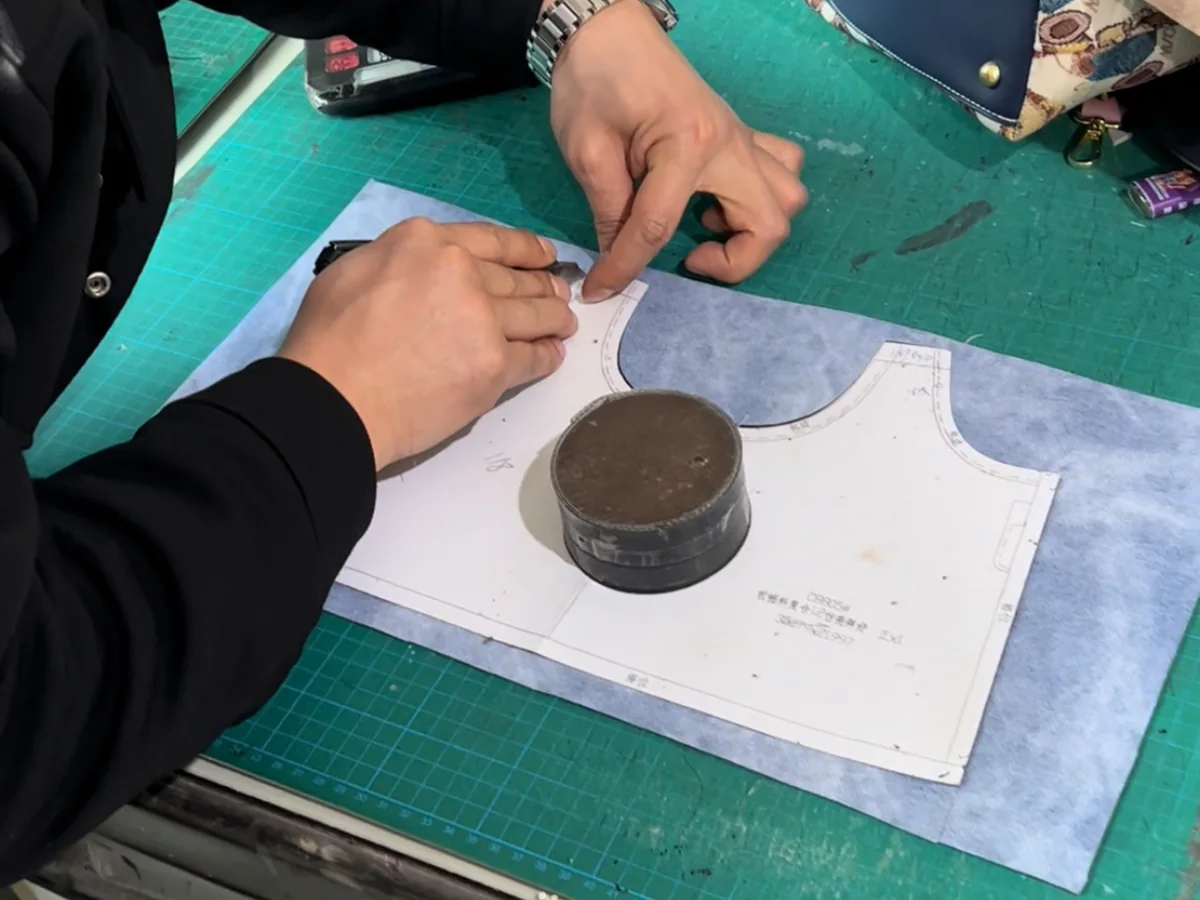
Pattern review converts the approved shape and panel layout into production pieces before cutting and assembly.
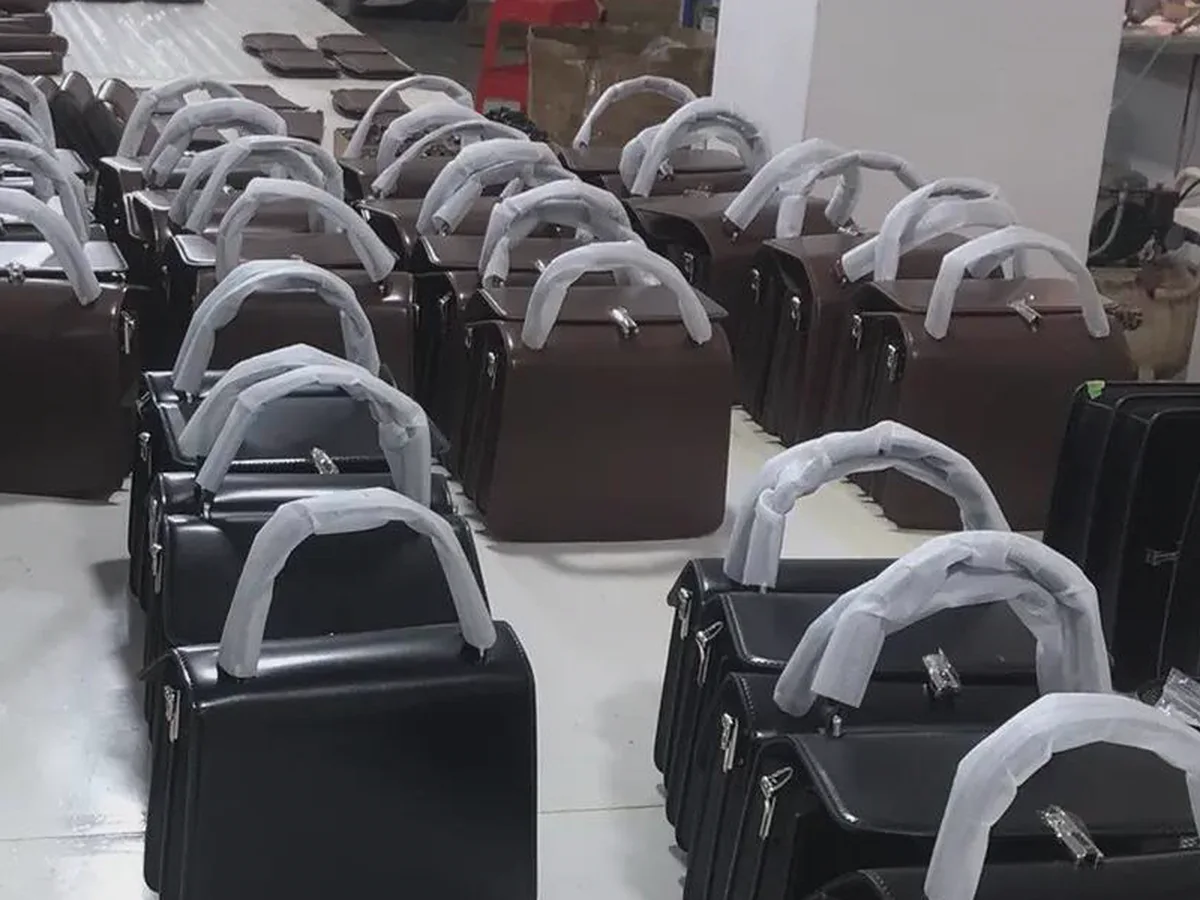
A finished physical sample should be reviewed against the written brief and recorded changes before it becomes an approval reference.
What Changes Sample Cost, Timing, and Revision Count?
There is no reliable fixed sample cost or sample lead time for every custom bag. The answer depends on the actual product and the decisions that are already confirmed.
Product Complexity
More pattern pieces, compartments, curves, padding, bindings, structured panels, special seams, or attached components can add preparation and assembly work.
Material and Component Availability
Stock materials and components may be easier to review than custom colors, special finishes, new hardware, molded parts, or items that require separate supplier preparation.
Artwork, Tooling, and Branding Method
Logo files, print screens, embroidery setup, patches, labels, metal plates, pullers, or molds may need their own confirmation before the complete bag can be approved.
Feedback and Shipping Between Rounds
Unclear or conflicting feedback can create avoidable revisions. Consolidate comments, identify the decision owner, and confirm whether the next round needs a complete bag or only a focused material, logo, or component trial.
For the commercial dependencies, review the Custom Bag MOQ and Cost Factors Guide and Custom Bag Production Lead Time Guide. Final sample terms should be confirmed for the specific project.
How to Review and Approve a Custom Bag Sample
Review the sample systematically and record the result. A general comment such as “make it better” does not tell the production team which decision changed.
Compare Against Written Requirements
Check the sample beside the specification, artwork, reference images, and previous change list. Mark each requirement as approved, rejected, or still open.
Check Size, Function, and Carrying
Review outer dimensions, opening access, compartments, pocket size, closure direction, handle drop, strap adjustment, comfort direction, and whether the intended items fit as expected.
Check Materials, Branding, and Components
Review material and color direction, lining, padding, logo size and position, stitching, zippers, pullers, buckles, webbing, labels, patches, and hardware placement.
Check Packaging and Handling
Confirm folded shape, protective packing, labels, inserts, individual packaging, carton assumptions, and any sales-channel requirements that affect the product presentation.
Record the Decision
Photograph the reviewed sample, identify the approved version, and issue one consolidated change list. Bulk planning should follow the approved sample direction, written requirements, and agreed tolerances. The Custom Bag Quality Control Guide covers the separate bulk inspection stage.
FAQ
It is the process of translating a bag brief into a physical prototype that can be checked for size, structure, function, materials, branding, components, and packaging before bulk planning.
Send reference images or an existing sample, intended use, rough dimensions, required functions, material and color direction, logo artwork, components, target quantity, packaging needs, timing expectations, and the approval contact. Mark details that are still open for factory review.
A prototype usually resolves early construction and function questions. A pre-production sample is normally reviewed after more specifications, materials, branding, and components have been defined. State the decisions you need to approve because terminology can vary between suppliers.
There is no fixed number for every project. Revisions depend on product complexity, how complete the brief is, material and component availability, artwork readiness, and how clearly feedback is consolidated.
Pattern complexity, materials, custom colors, logo setup, tooling, hardware, components, packaging, revision scope, and shipping between review rounds can all affect the project-specific quotation and timing.
The approved sample is an important physical reference, but bulk production should also follow written specifications, agreed tolerances, approved artwork and materials, and a project-specific quality-control plan.
Confirm the approved version, written specifications, artwork, color references, packaging direction, change notes, quantity, commercial terms, and quality requirements before bulk production planning moves forward.
Discuss Your Custom Bag Sample
Send Northline Bags your reference images, bag type, intended use, rough dimensions, material and branding direction, target quantity, packaging needs, and the decisions the sample must confirm. We can review what is ready and which details still need development before a project-specific sample plan is confirmed.