Wholesale Custom Tote Bags for Bulk and Branded Programs
Wholesale tote sourcing starts from a finished product supplied as-is, subject to confirmed availability, or from an existing/pre-developed style produced after order, subject to feasibility. Confirm quantity, assortment, feasible branding, packaging, destination, and repeat-order needs for the chosen route.
Northline Bags works with B2B buyers to review these inputs before quotation and sampling. This distinguishes finished-stock purchasing from existing-style production; a new OEM/ODM tote developed from a brief, reference, or specification follows the separate Custom Tote Bag Manufacturer route.
Direct Answer: How Should Buyers Plan a Wholesale Custom Tote Bag Order?
Start by identifying whether the order uses completed inventory or requires production, then confirm only the inputs relevant to that route.
- Choose a finished-stock tote only when an already manufactured SKU, its available color, and its completed specification meet the project. Material, dimensions, construction, logo size, logo position, logo color, and other finished details cannot be changed.
- Choose an existing-pattern made-to-order tote when a proven base construction works but the bags will be produced after order. Feasible material and color options, logo application, labels, and packaging can then be reviewed for that production run.
- A new pattern, distinct structure, custom components, or specification that cannot be built from an existing style belongs to the separate Custom Tote development route.
For finished stock, provide the exact SKU or product reference, available color, required quantity, destination, and delivery objective. For made-to-order routes, also provide the number of variants, material direction, logo artwork, dimensions, construction, and packaging needs. The manufacturer can then review availability or production feasibility, MOQ where applicable, sample requirements, and quotation details against the actual project.
Finished Stock vs Made-to-Order Wholesale Tote Bags
| Order route | Product status | What the buyer can choose | What is fixed or needs review |
|---|---|---|---|
| Finished-stock tote | Completed inventory supplied as the available SKU | Available SKU or style, available stock color, order quantity within stock on hand, and delivery destination | Material, dimensions, structure, logo size, logo position, logo color, labels, hardware, and other finished specifications remain unchanged |
| Existing-pattern made-to-order tote | Produced after order from a proven base pattern; not finished stock | Feasible material and color options, logo artwork and method, logo size and placement, labels, packaging, and target quantity | Material availability, artwork compatibility, limited pattern adjustments, proof or sample need, MOQ, production setup, and timing |
| Separate Custom OEM/ODM development route | New tote developed from a buyer brief or specification; continue on the Custom Tote Bag Manufacturer page. | Tech pack, reference sample, sketches, dimensions, material, construction, hardware, logo, labels, and packaging | Pattern development, sourcing, sample revisions, approval standard, production setup, and final quantity |
If the project requires a ground-up tote product rather than a quantity-led wholesale program, review the Custom Tote Bag Development for OEM/ODM Projects page.
Wholesale Tote Bags for Different B2B Programs
Retail and Private-Label Collections
Retail buyers often need more than a logo on a standard bag. Material hand feel, color direction, handle proportion, lining, pockets, closures, labels, hangtags, barcode placement, and retail packing can all affect the final specification. Reorder planning also matters because future material, color, trim, and packaging consistency should be discussed before the first bulk order.
Promotional and Corporate Programs
Promotional programs may prioritize a clear print area, predictable packing, practical carrying capacity, and distribution timing. The buyer should confirm the event date, number of delivery locations, artwork version, color count, and whether individual packing, inserts, or carton labels are needed.
Branded Packaging and Gift-With-Purchase
A tote used as branded packaging or a gift-with-purchase item must fit the product it carries. Bag dimensions, gusset depth, handle drop, closure, reinforcement, and packing method should be reviewed together. A visually suitable bag can still be impractical if the opening, base, or handle length does not match the intended contents.
Distributor and Repeat-Order Programs
Distributors may need multiple colors, artwork versions, client labels, or packaging configurations. Each variant can affect material allocation, setup, approval, carton marking, and production planning. A repeat-order program should record approved specifications and any acceptable tolerances instead of relying only on a product photo.
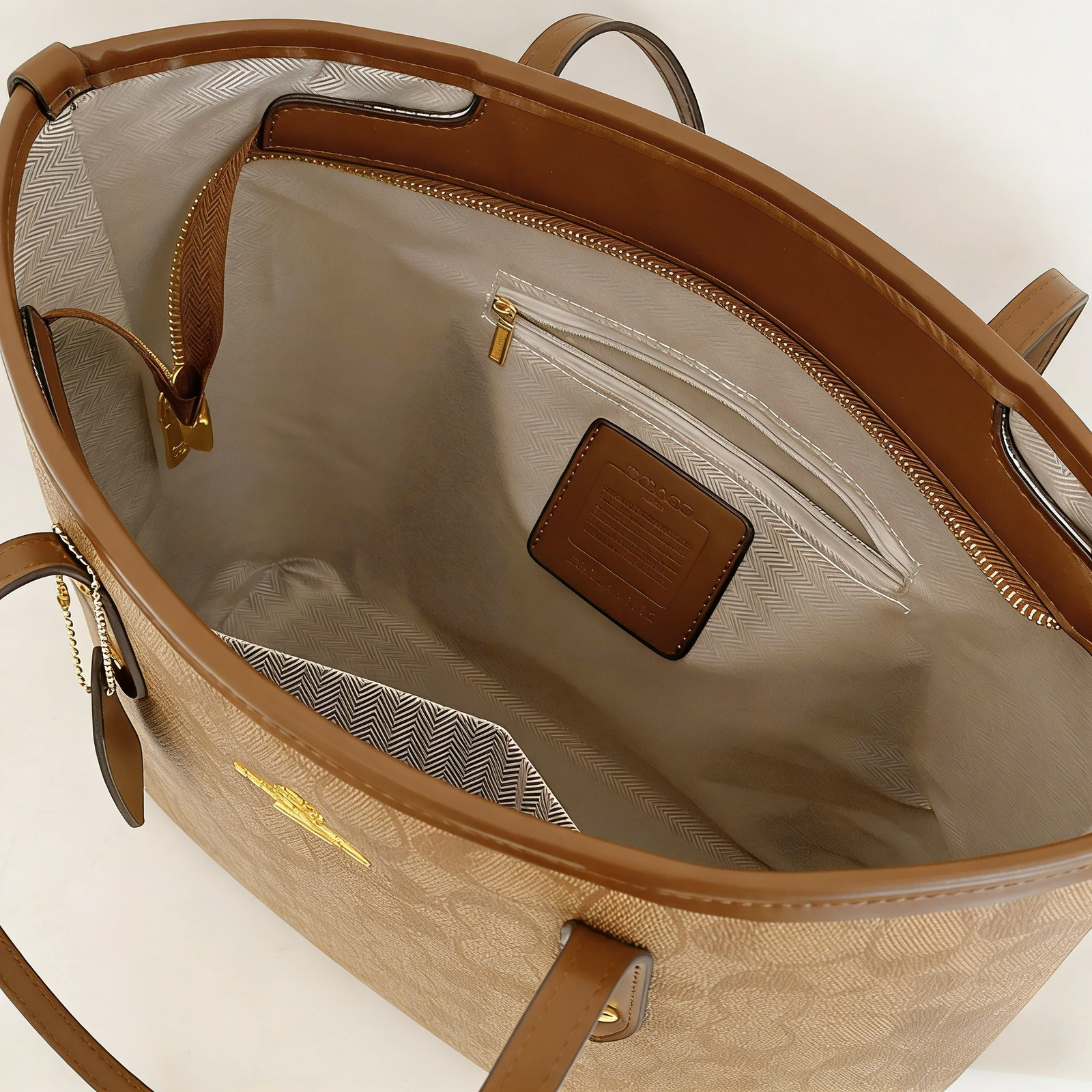
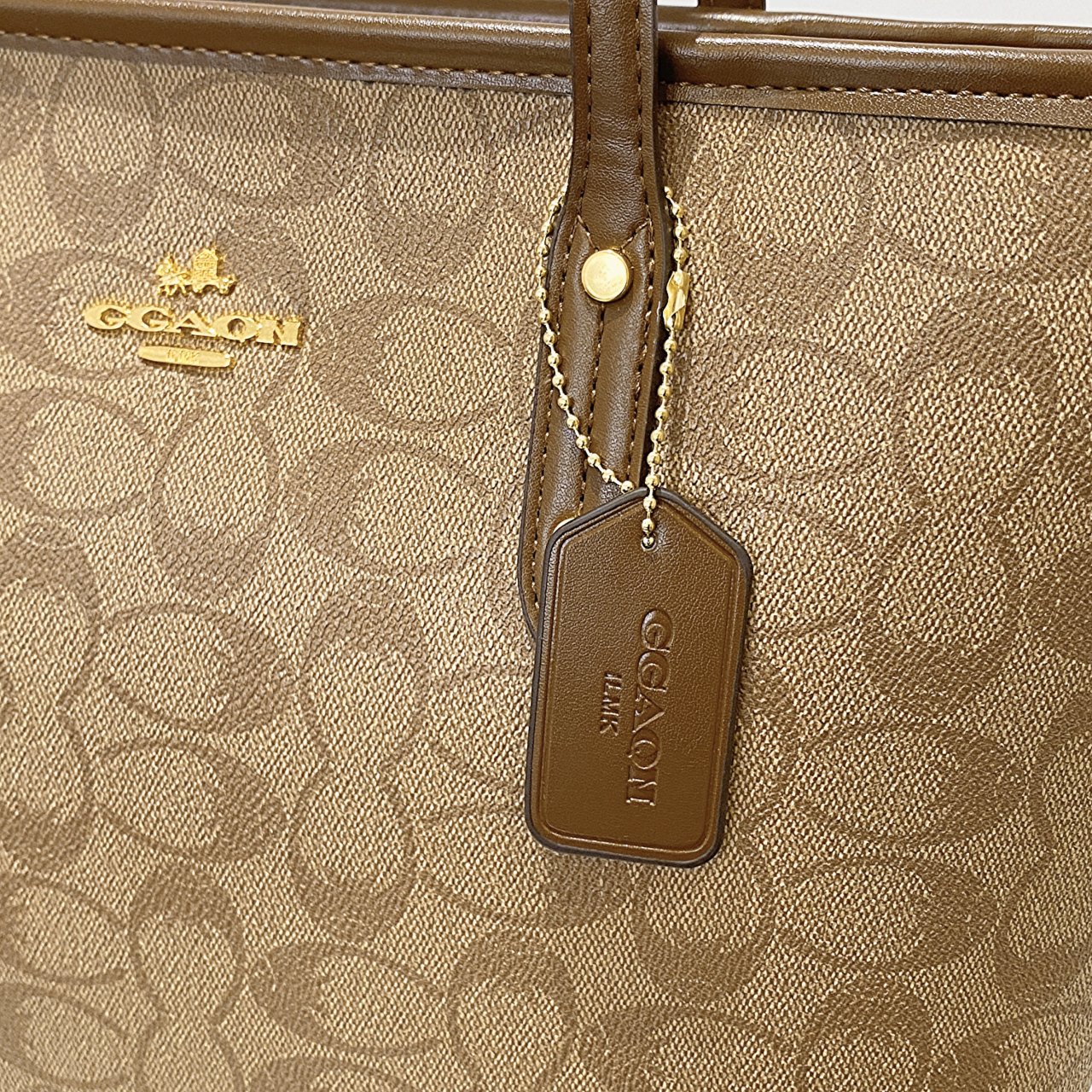
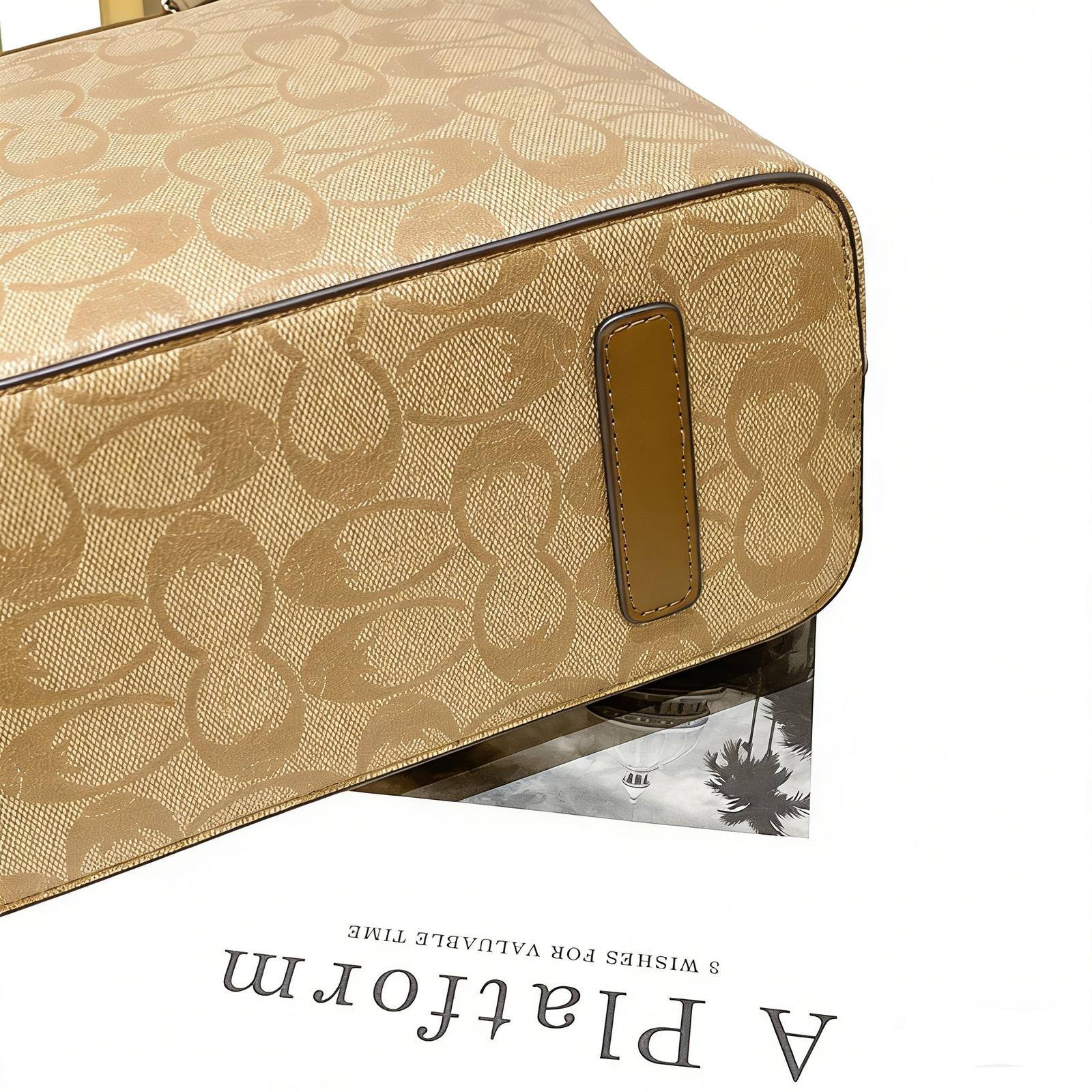
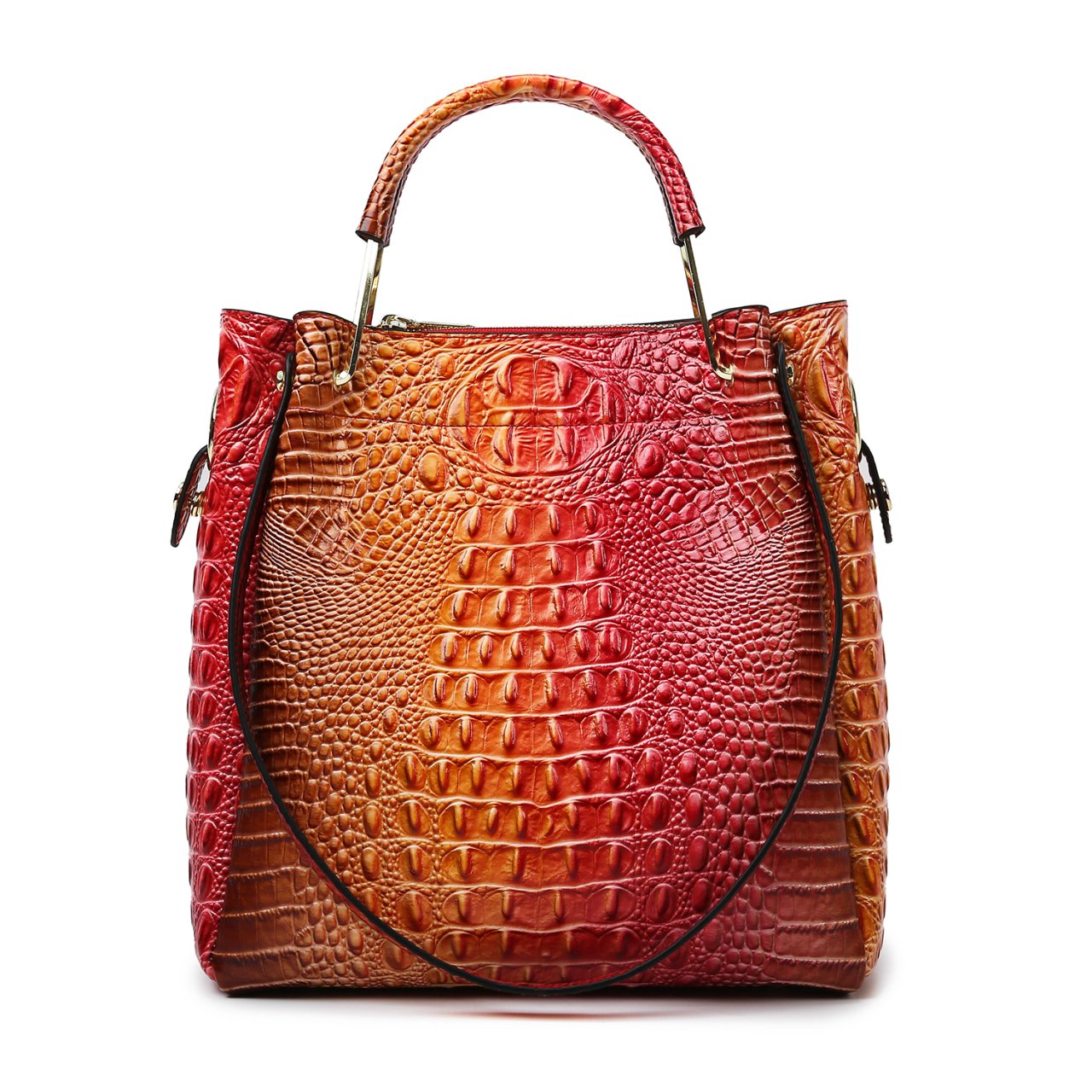
Select Material by Use, Structure, and Branding Method
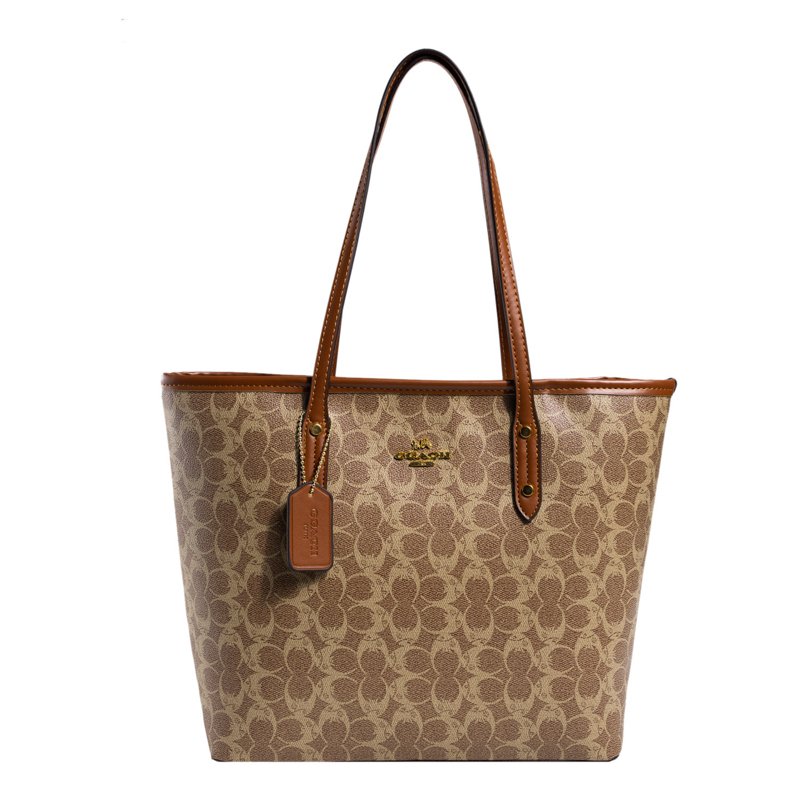
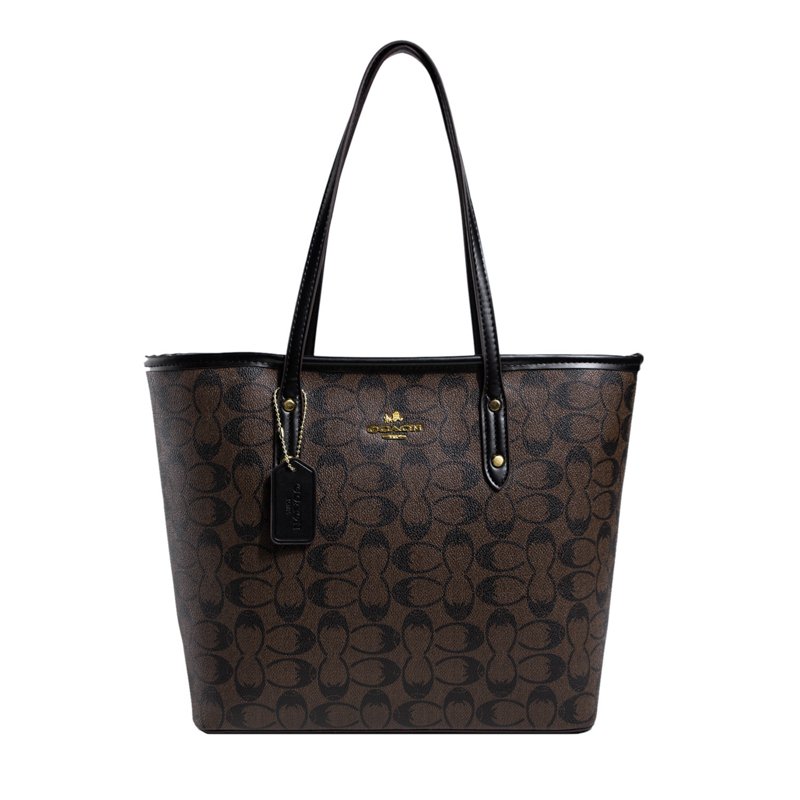
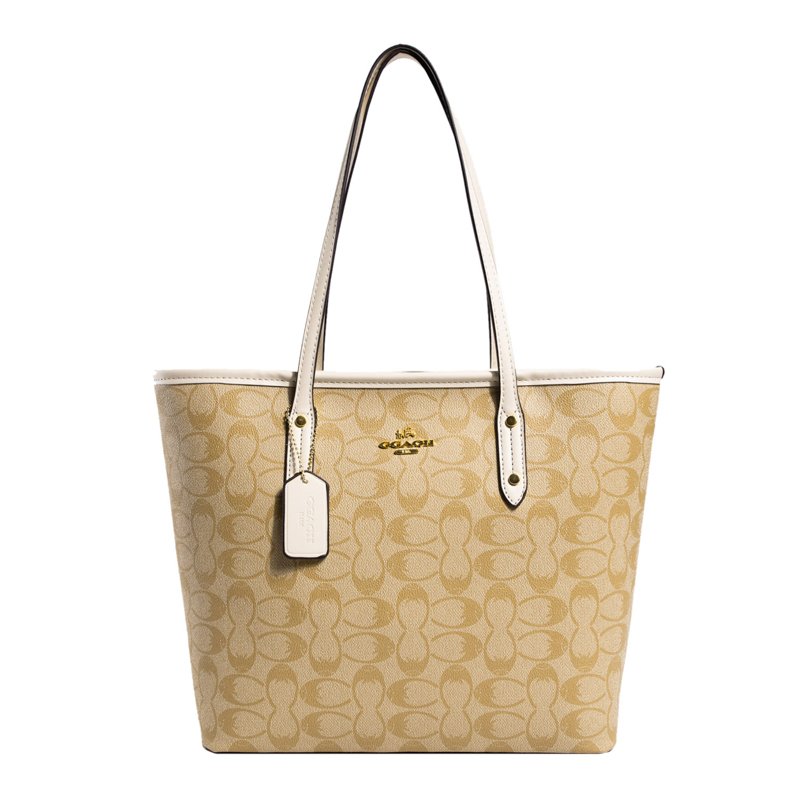
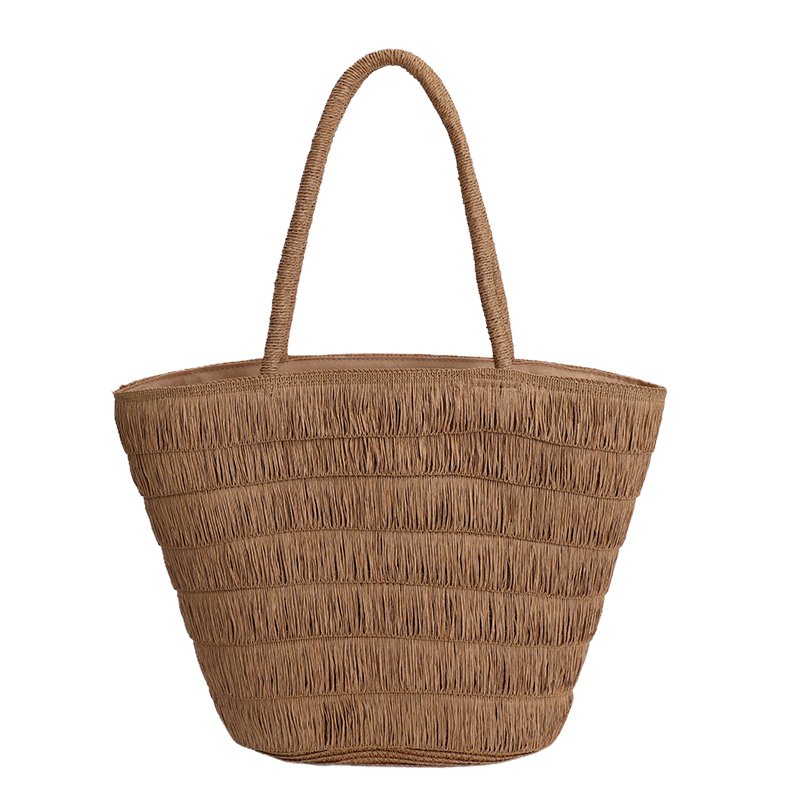
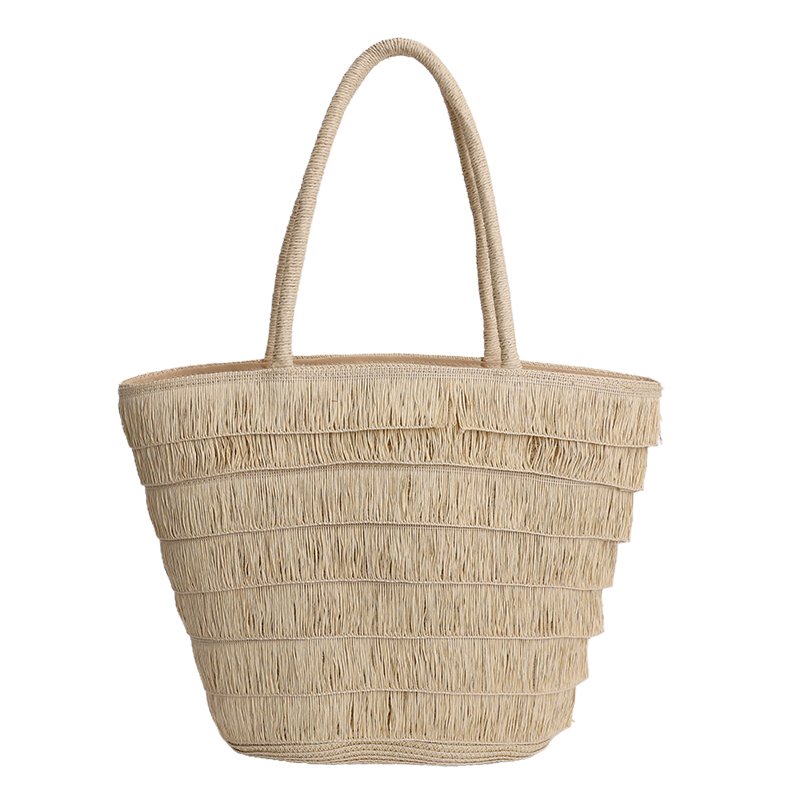
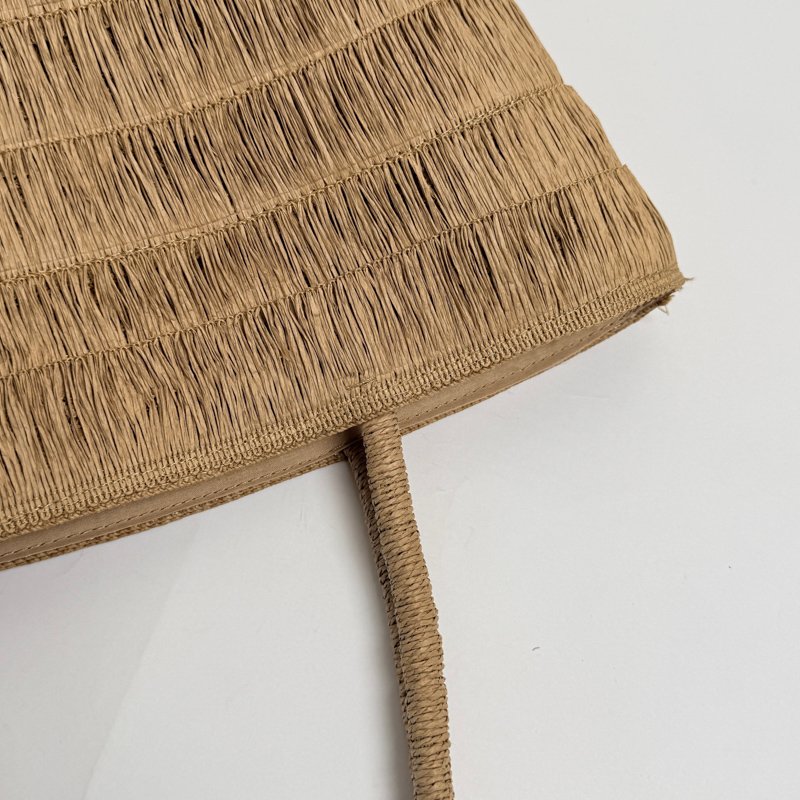
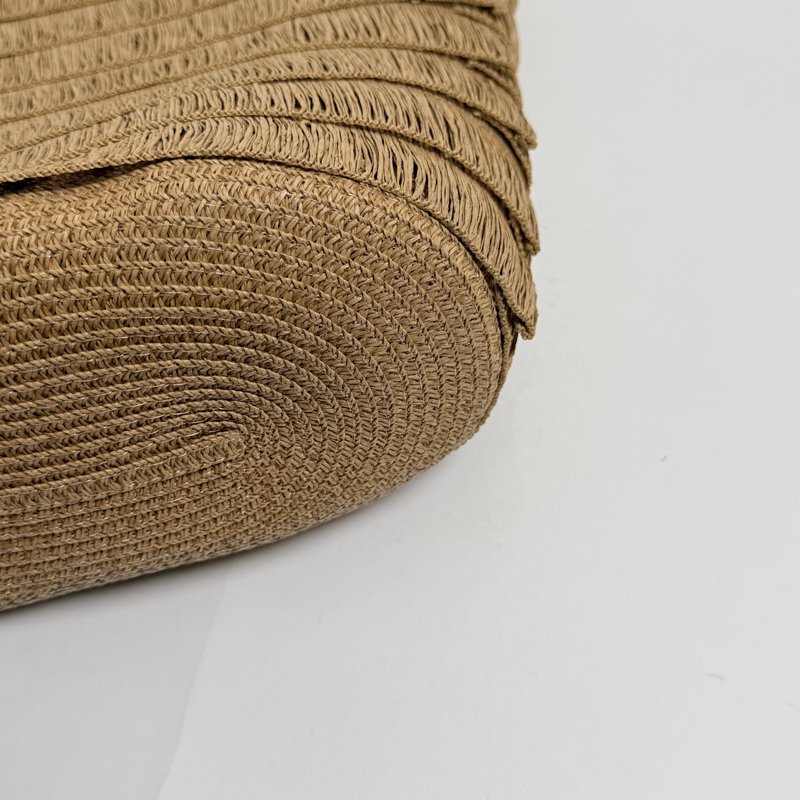
Material choice should follow the bag’s use, target appearance, construction, logo method, and budget. The same tote shape can behave differently when made in canvas, cotton, non-woven PP, polyester, or a coated material.
| Material direction | Common wholesale use | Buyer decisions | Important boundary |
|---|---|---|---|
| Canvas or cotton fabric | Retail totes, branded merchandise, promotional bags, and reusable carry programs | Fabric weight and hand feel, natural or dyed color, shrinkage review, print or embroidery method, lining, and reinforcement | Do not assume organic, recycled, certified, colorfast, or shrink-resistant performance without documentation or testing |
| Non-woven PP | Promotions, events, packaging, giveaways, and lightweight distribution | Fabric weight, lamination, handle type, seams, print area, gusset, and packing | Suitability depends on construction and intended load; environmental wording requires careful evidence |
| Polyester or RPET direction | Foldable totes, promotional bags, travel-related programs, or projects needing different surface behavior | Denier or fabric weight, coating, lining, print compatibility, color, construction, and documentation | Recycled content and certification must match supplier documents and the actual order |
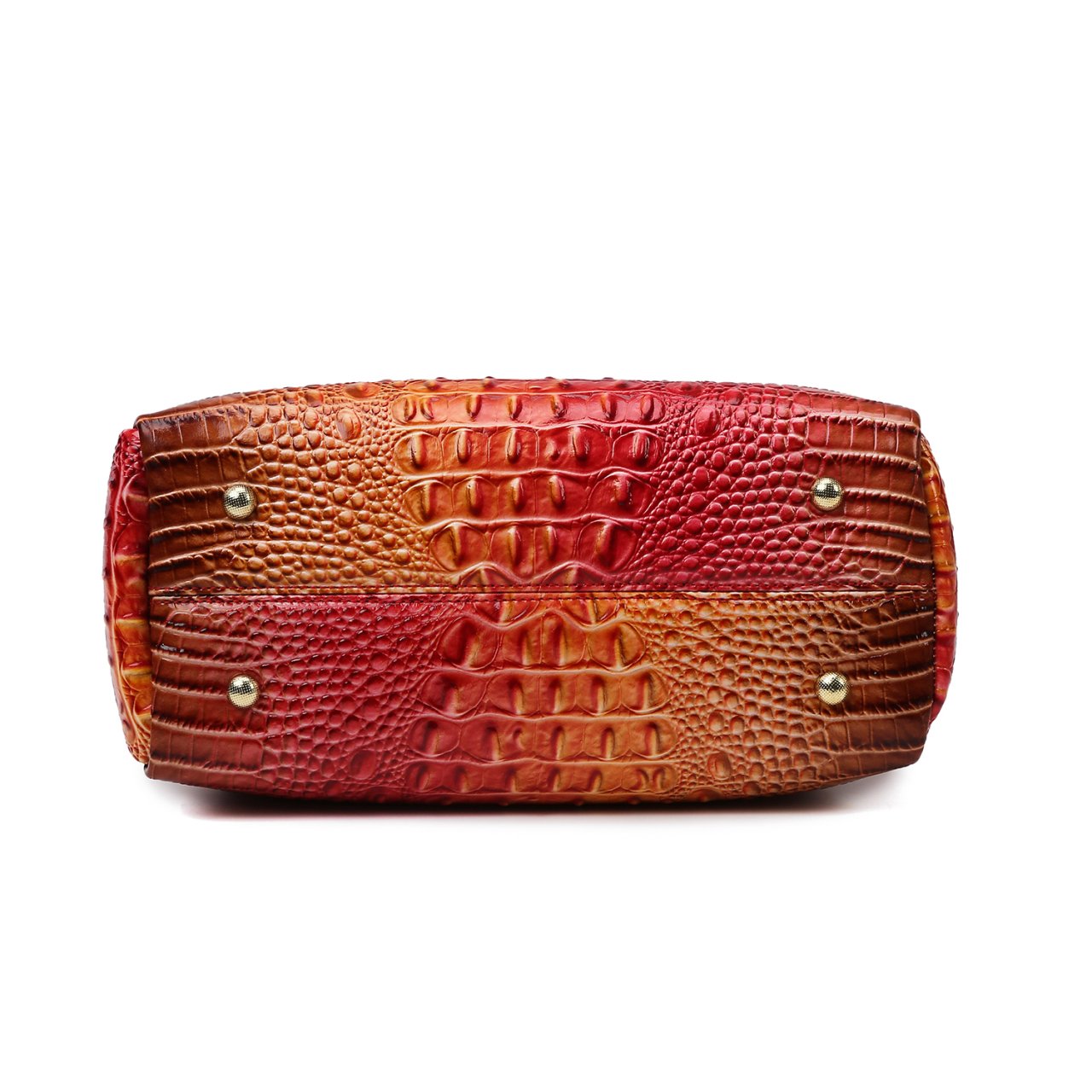
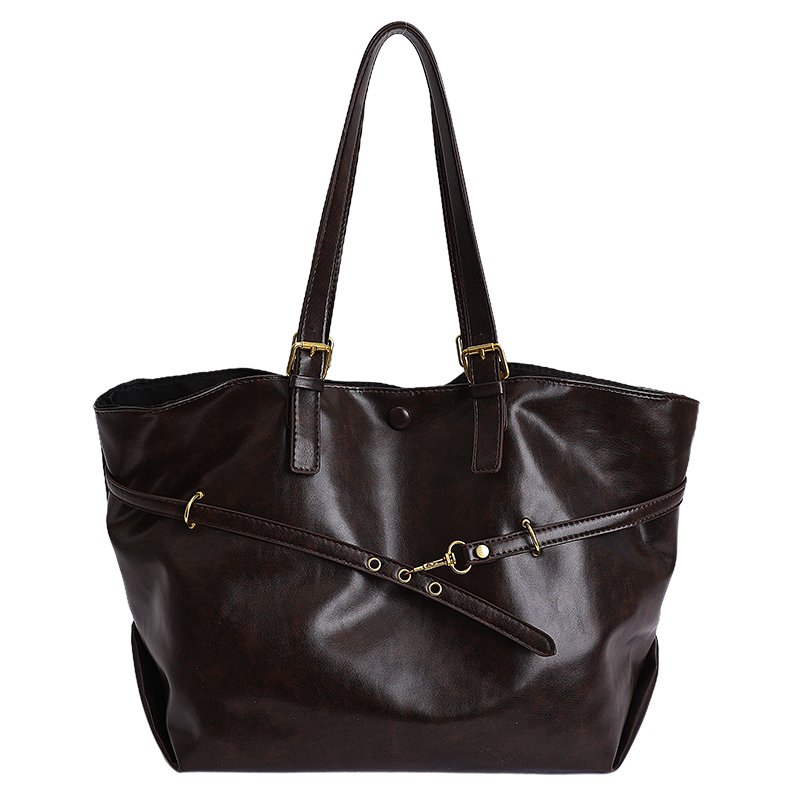
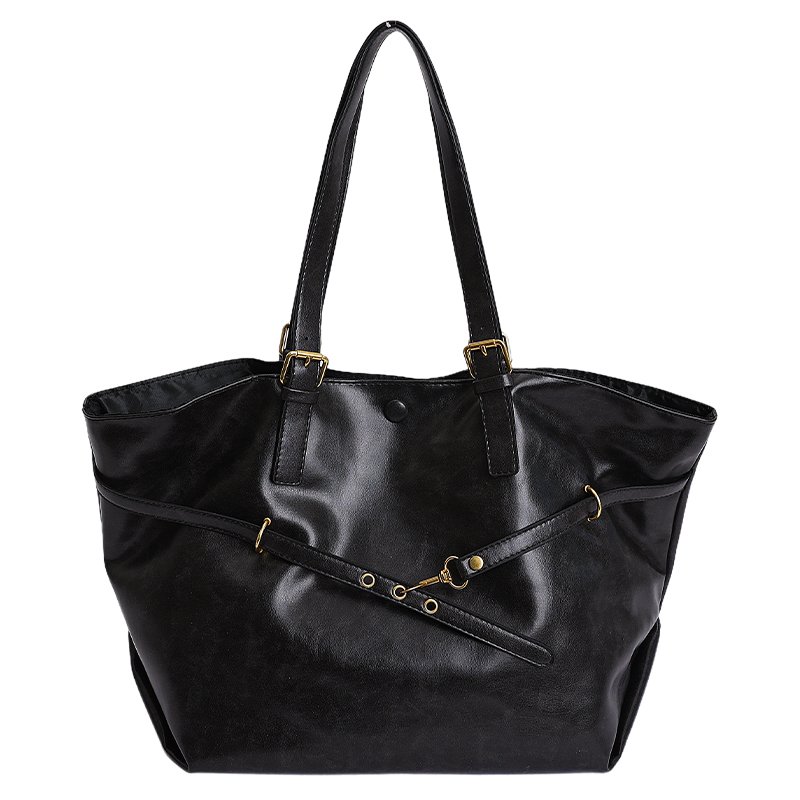
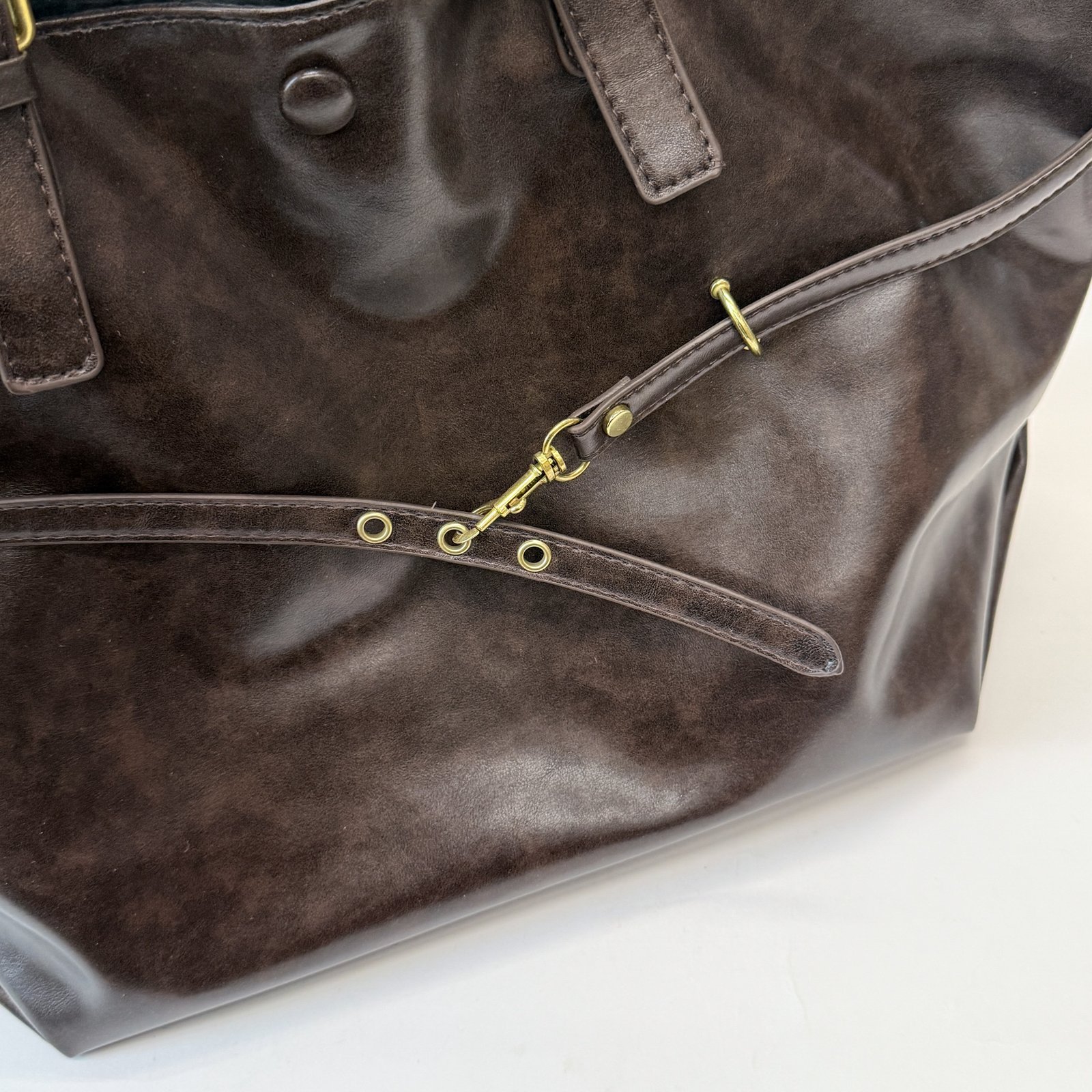
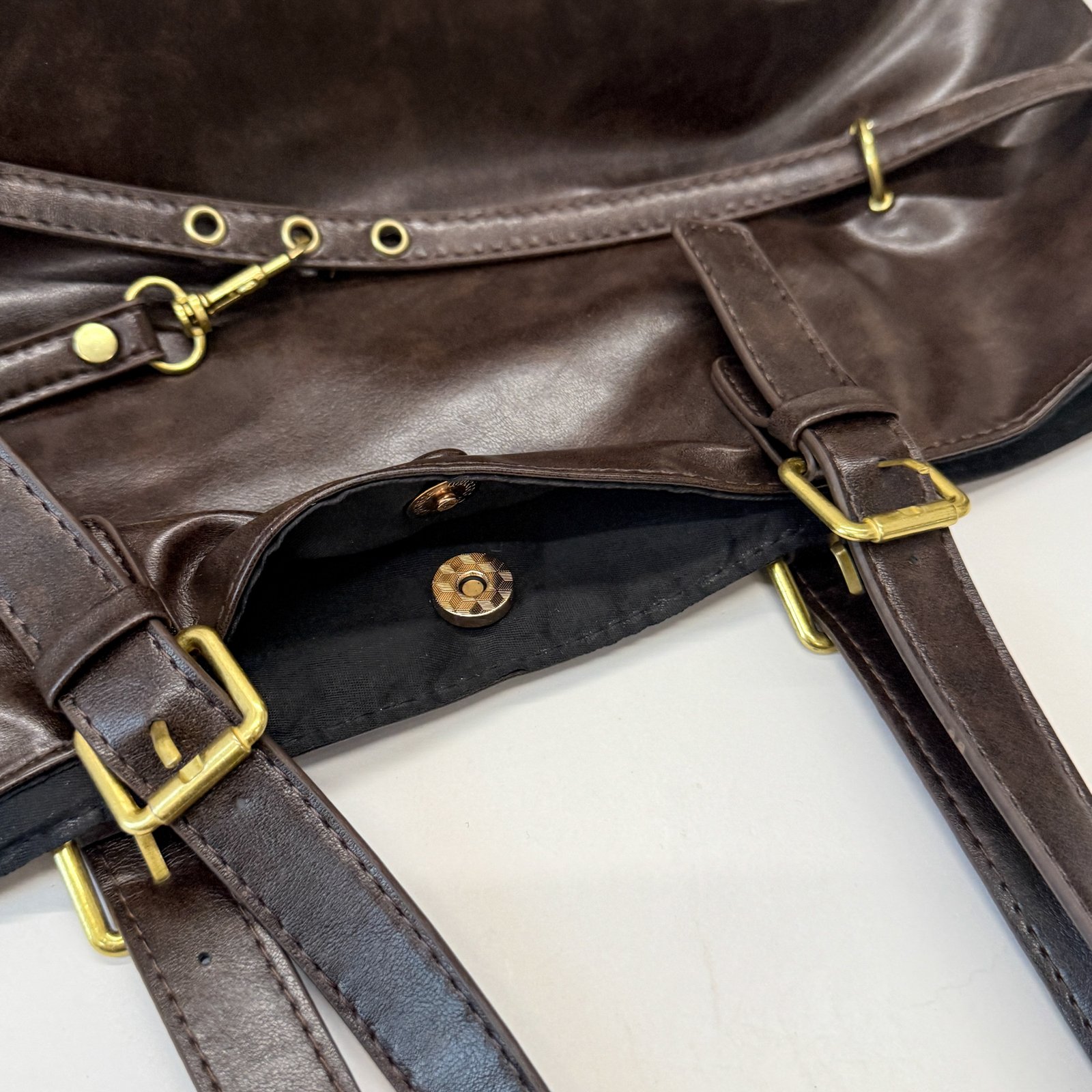
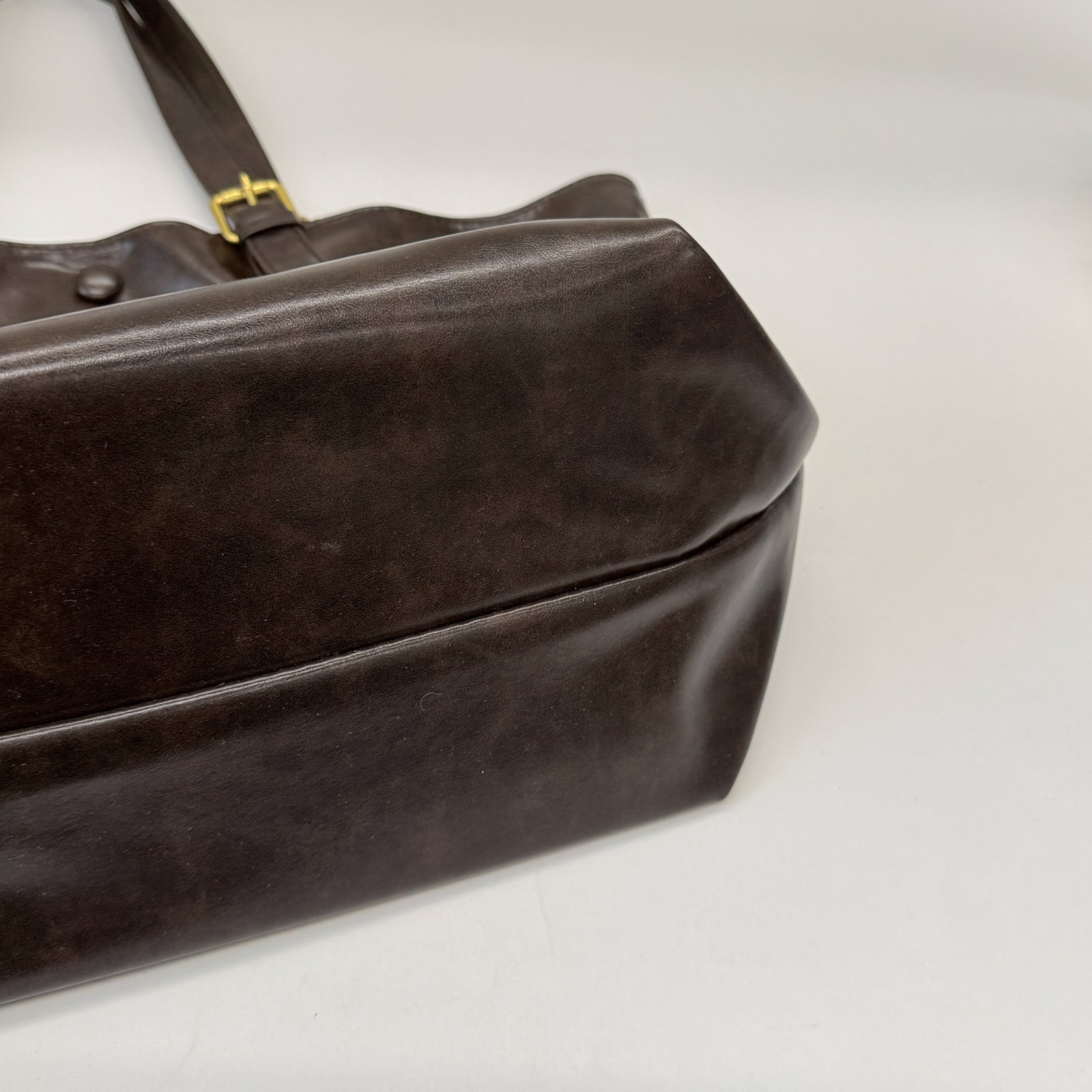
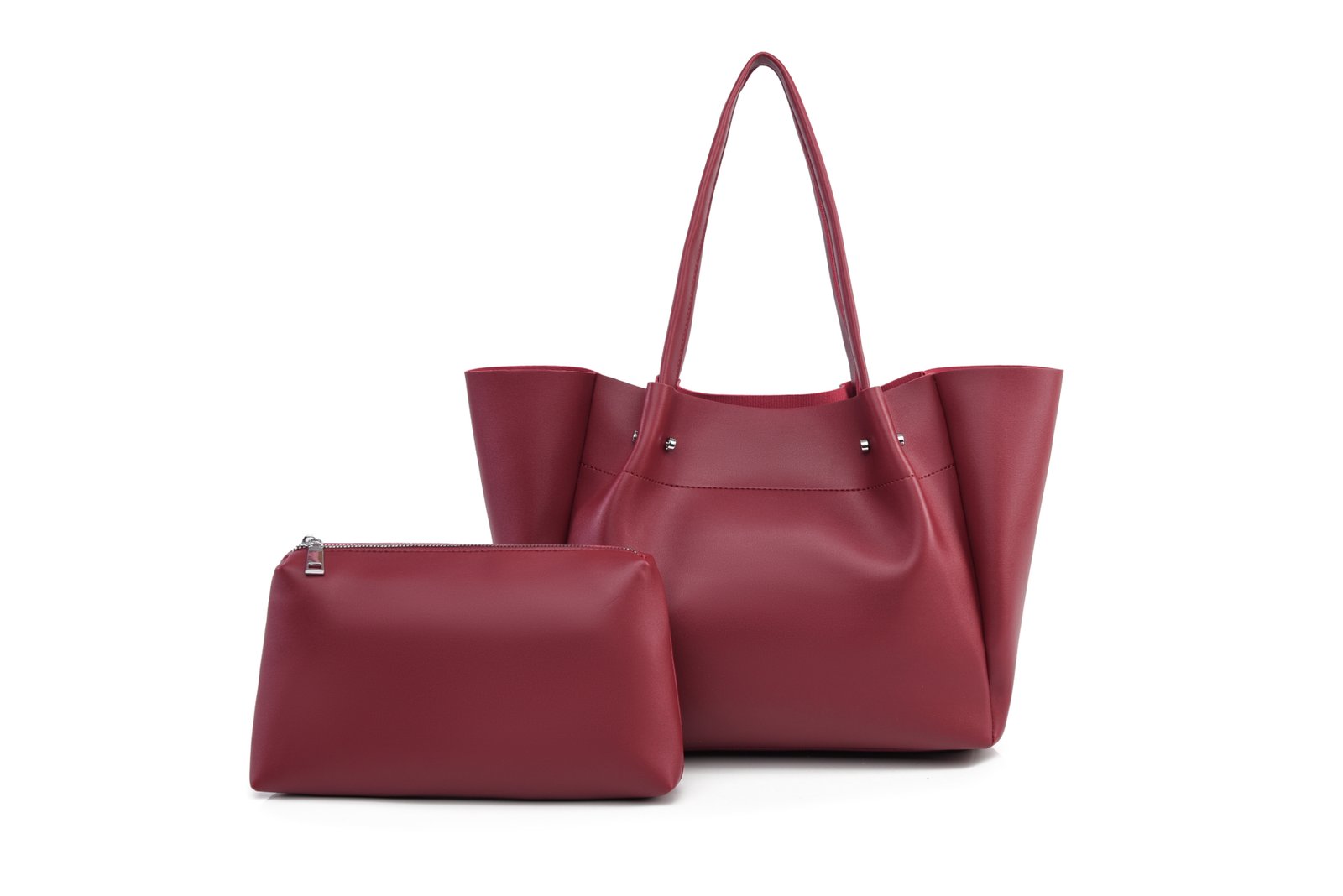
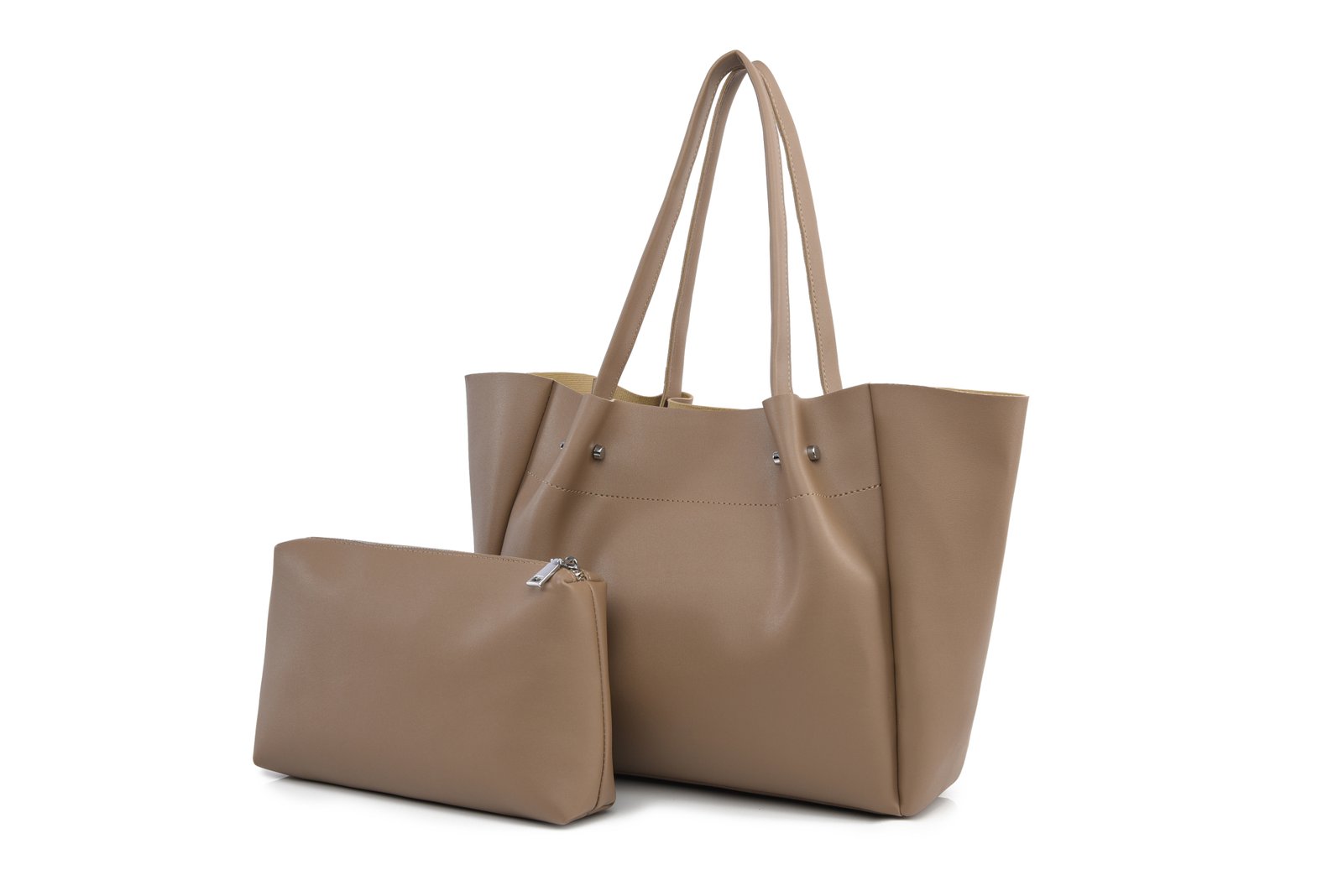
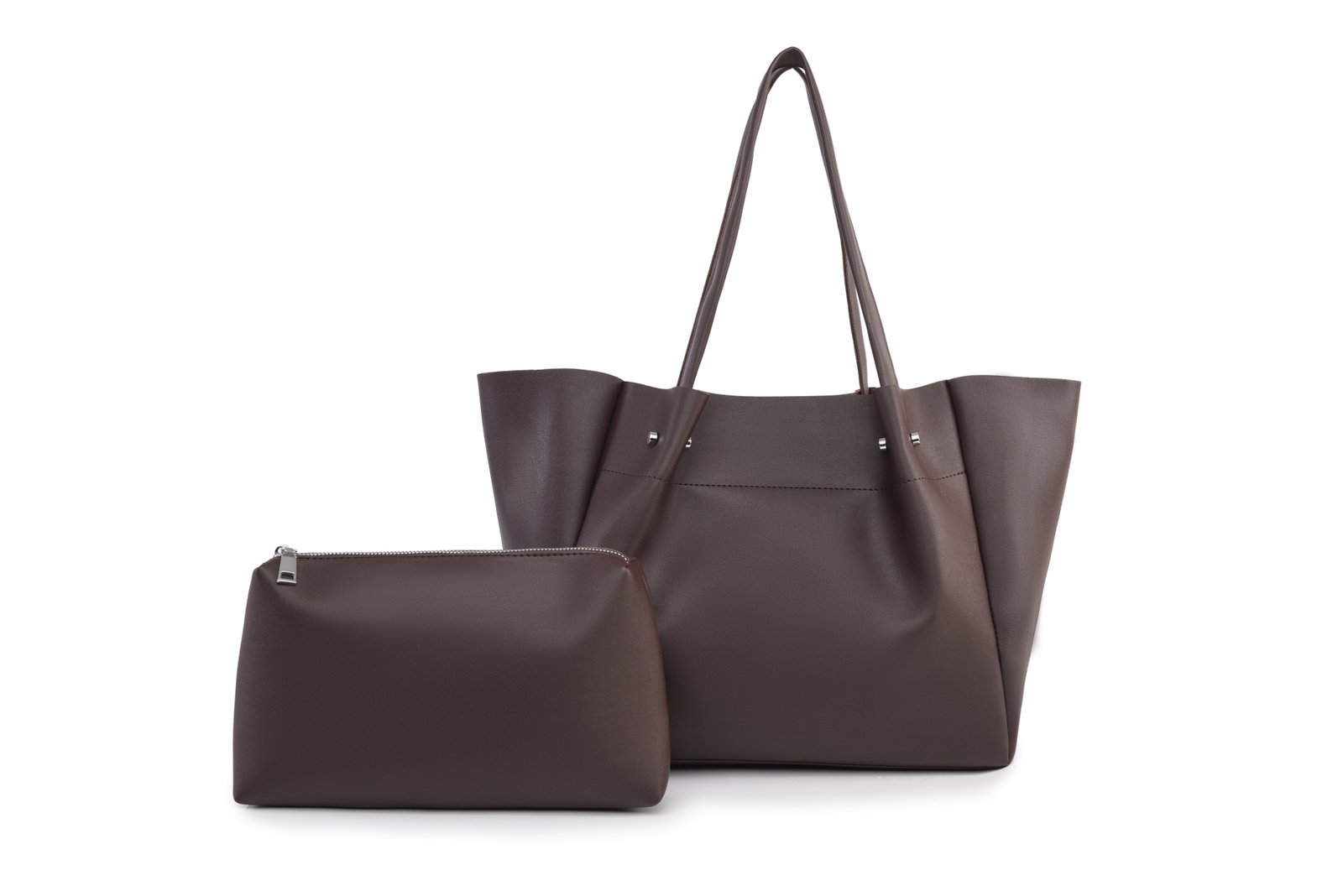
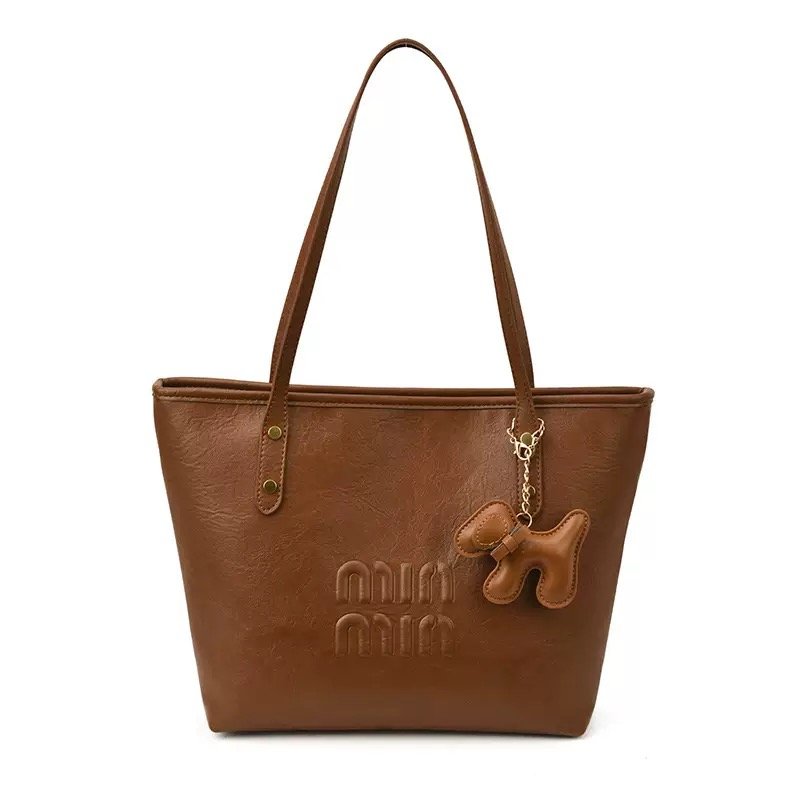
| PU or coated material | Fashion-led, structured, gift, or retail presentations | Surface finish, backing, edge treatment, stitching, lining, hardware, logo method, and packaging | Water resistance, abrasion, peeling, color transfer, and durability should not be promised without project-specific review |
Use the Bag Materials hub for the material families, or the Bag Material Selection Guide when the project still needs a cross-material comparison.
Confirm the Tote Structure, Not Only the Size
Width and height alone do not define how a tote will work. Buyers should also review:
Gusset and Base
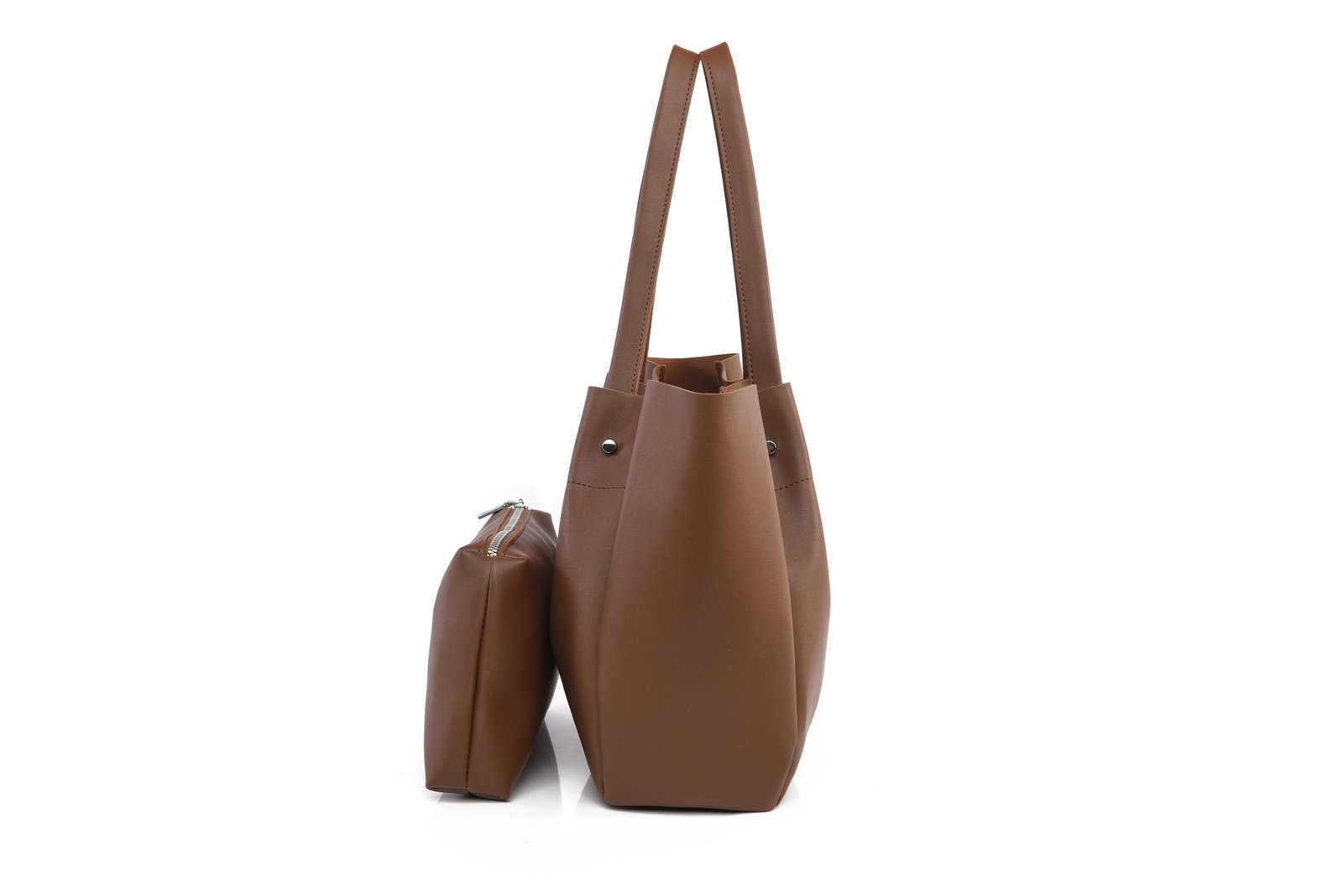
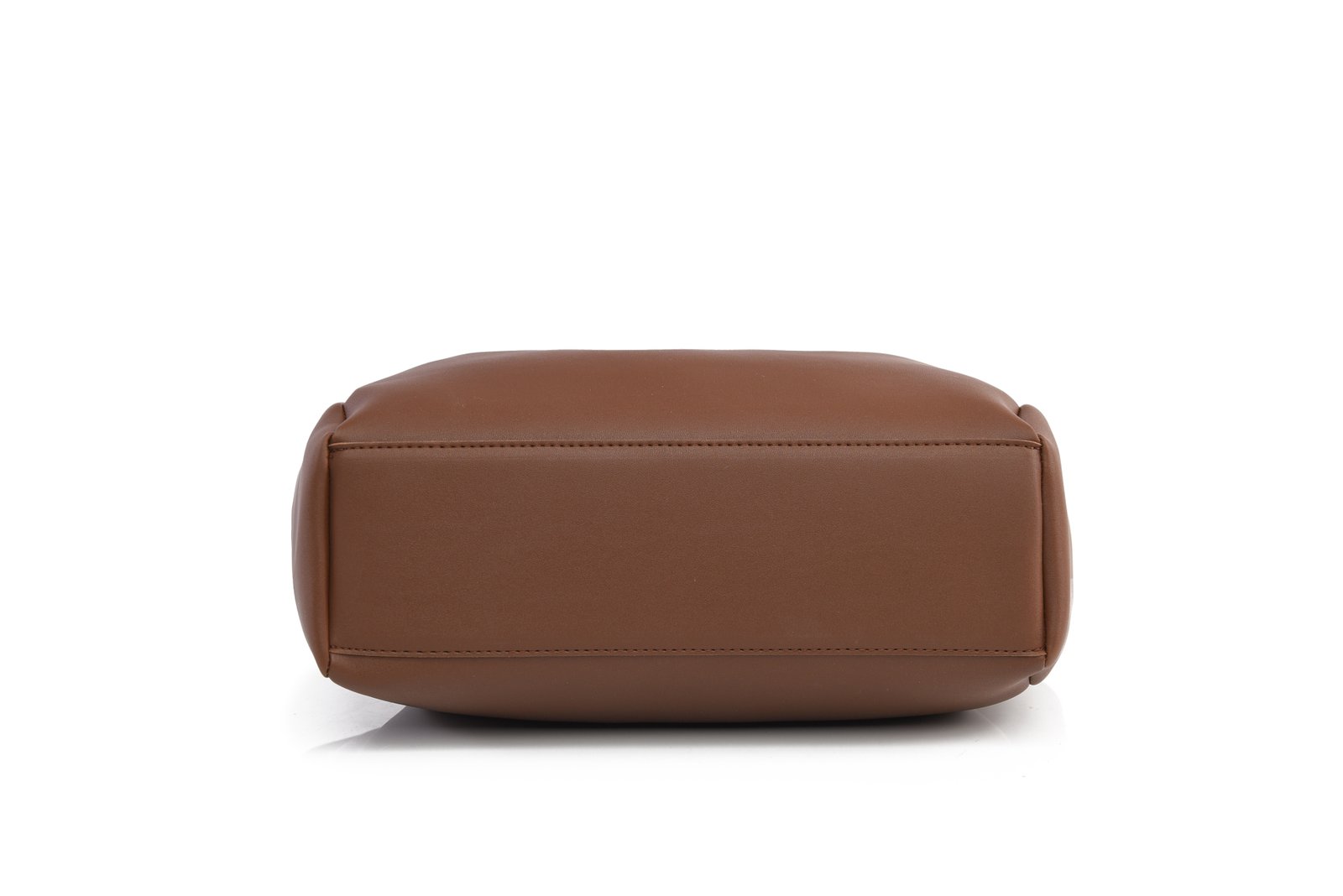
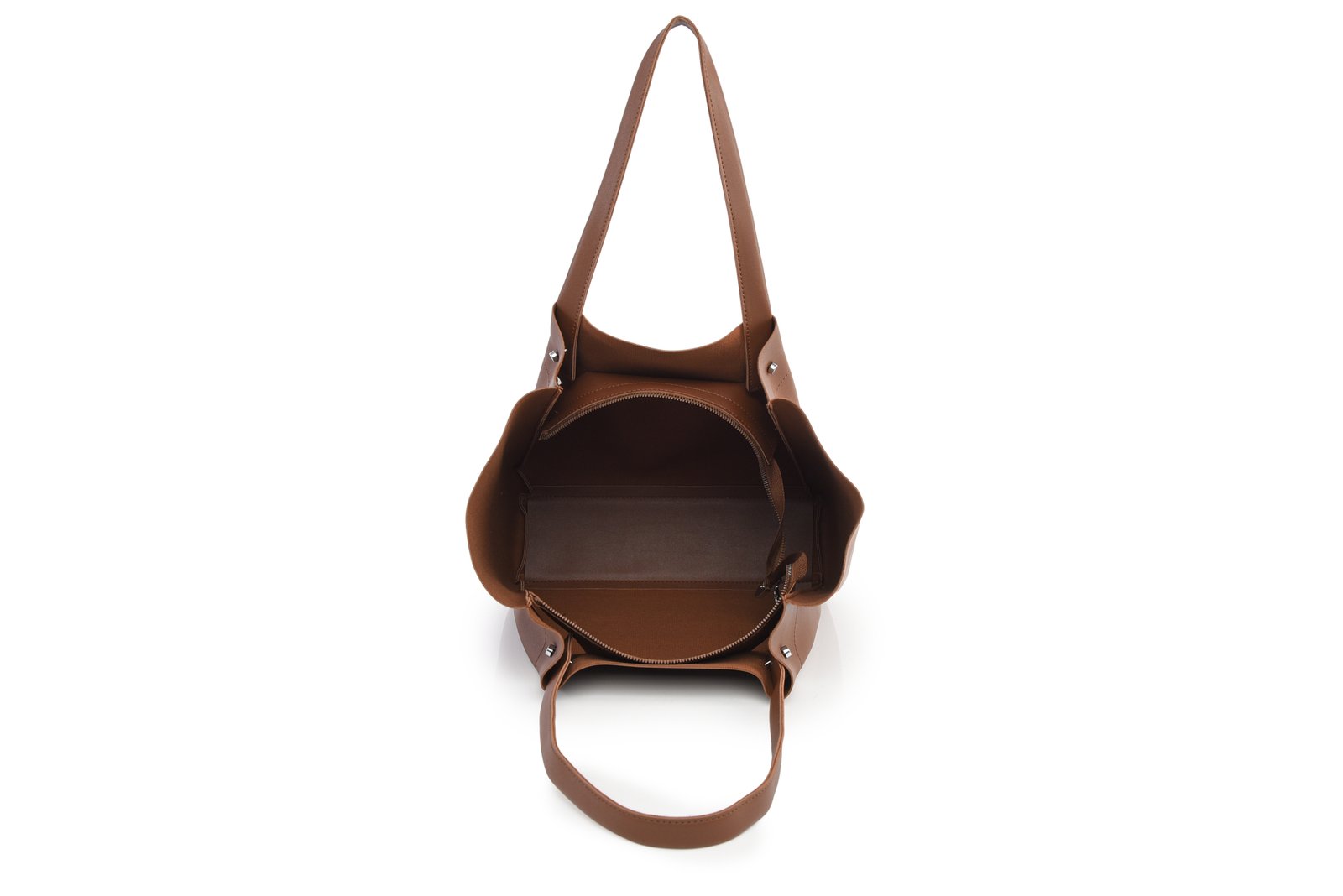
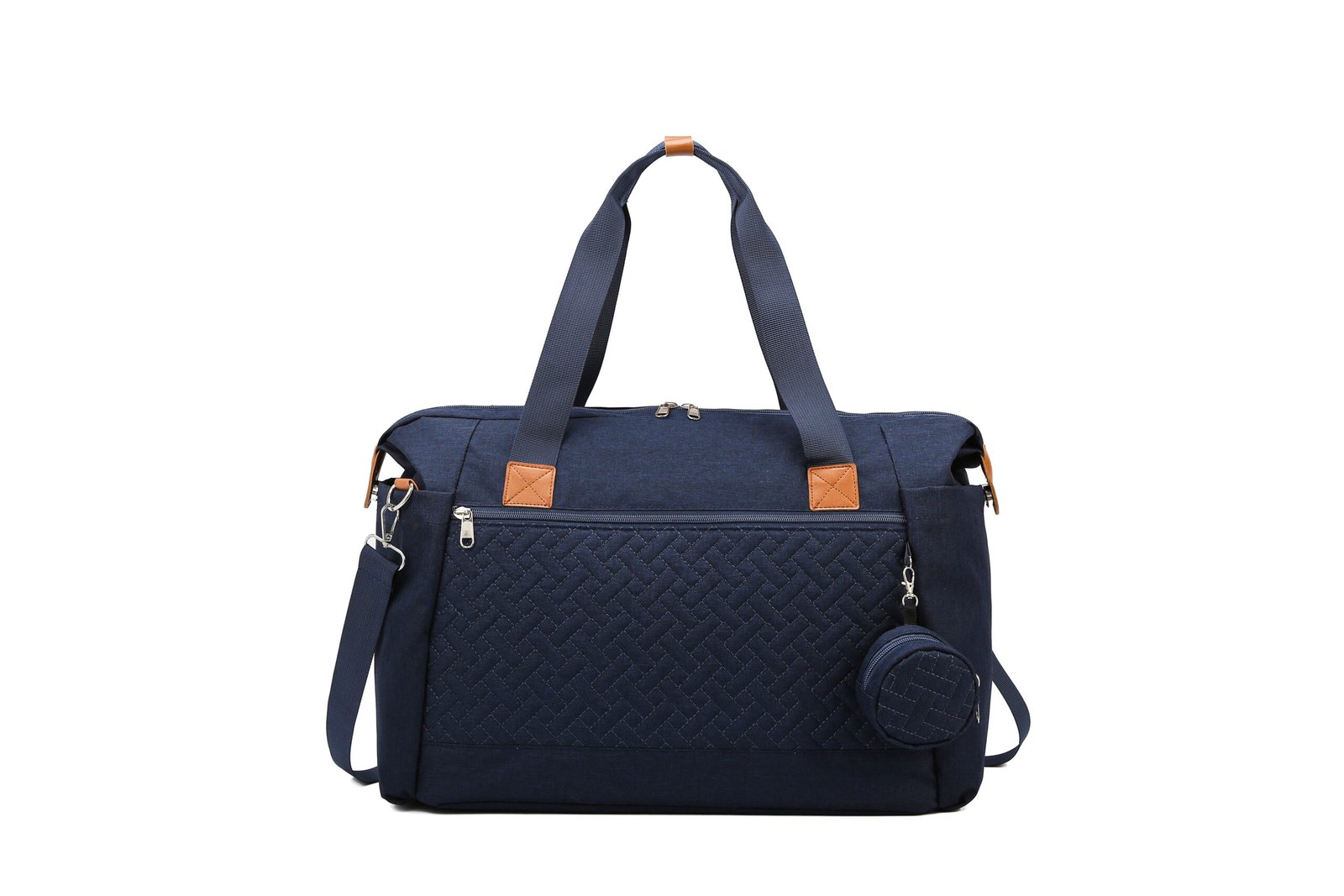
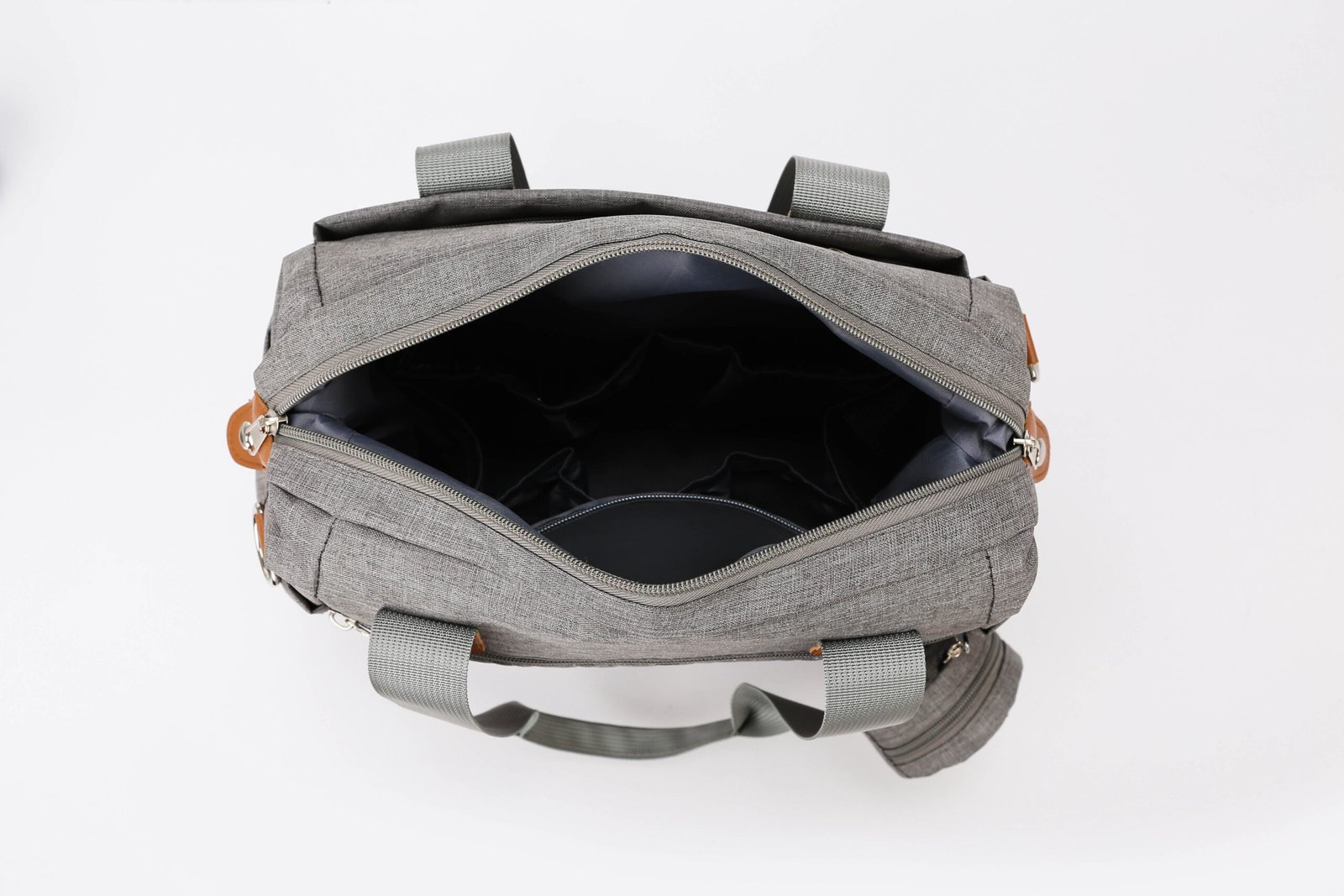
A flat tote and a gusseted tote can have very different carrying behavior. Side gussets, bottom gussets, boxed corners, and base inserts affect capacity, folding, packing volume, and how the bag stands.
Handles and Carrying Method
Handle length, width, material, attachment, and reinforcement should match hand carry, shoulder carry, or mixed use. The intended contents and carrying expectation should be shared during specification review.
Opening and Closure
An open top may suit fast packing and event distribution. Zippers, snaps, hook-and-loop closures, drawcords, or internal tabs can add function but also change components, labor, sampling, and cost.
Lining, Pockets, and Reinforcement
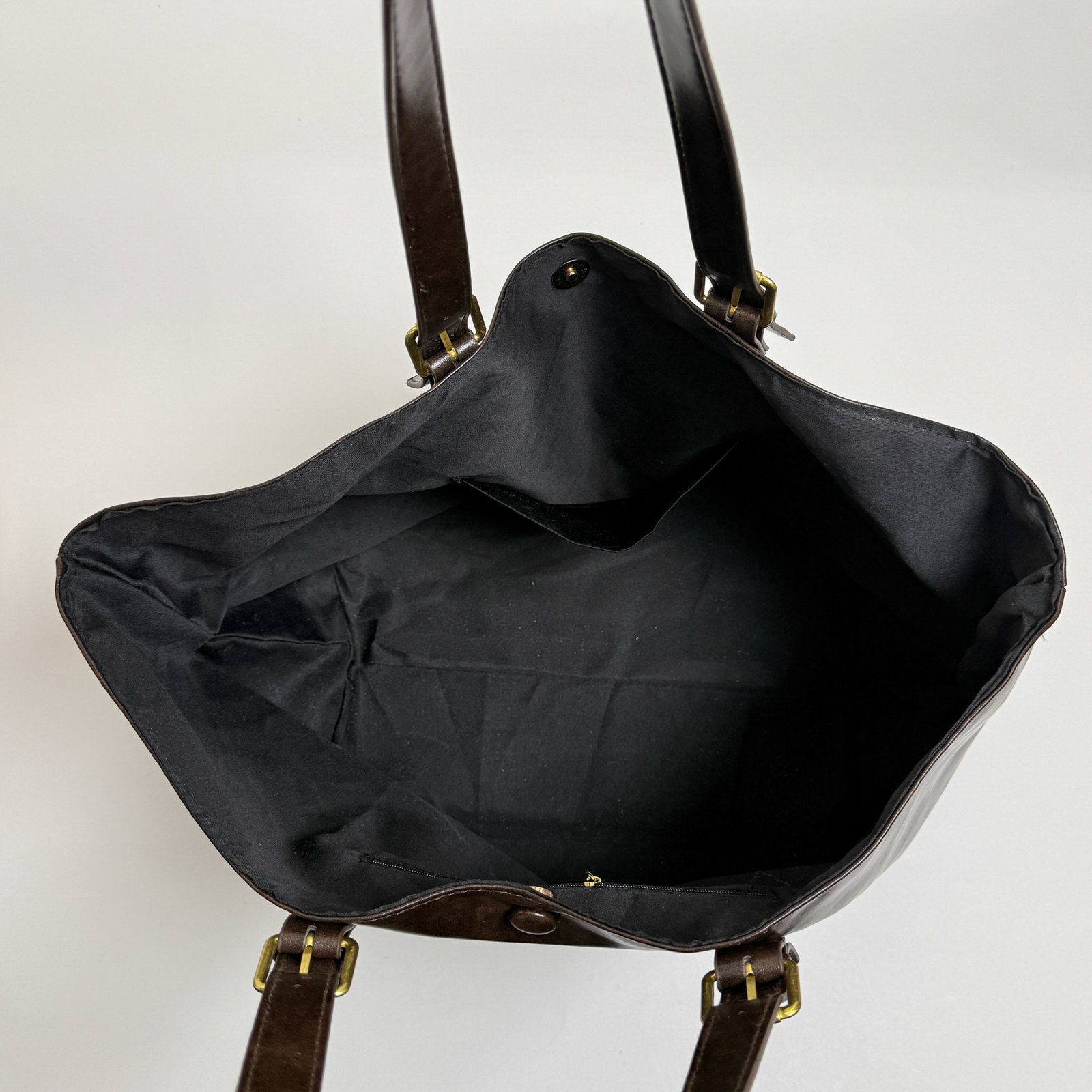
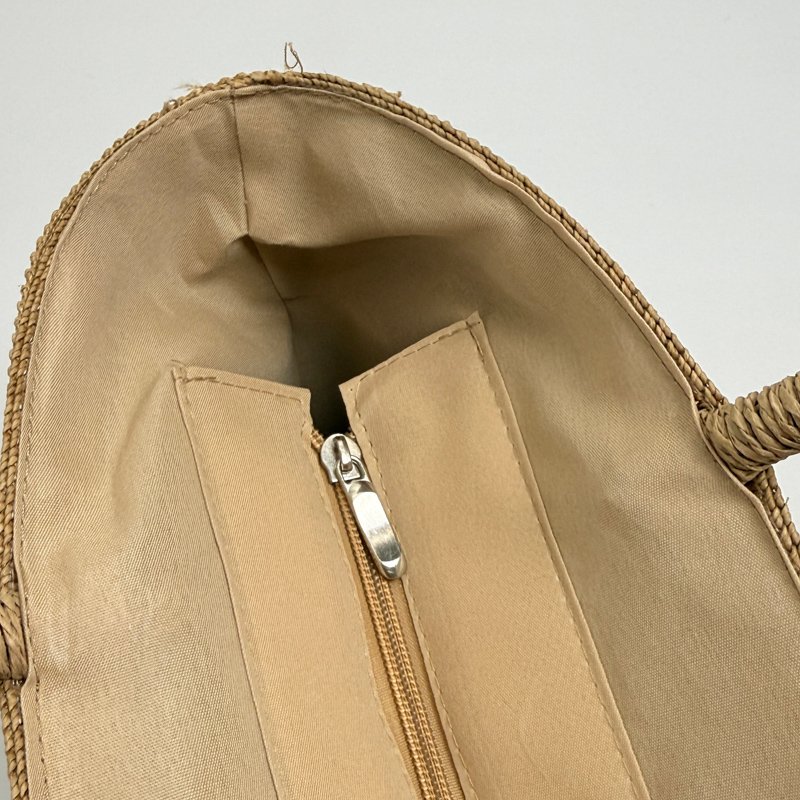
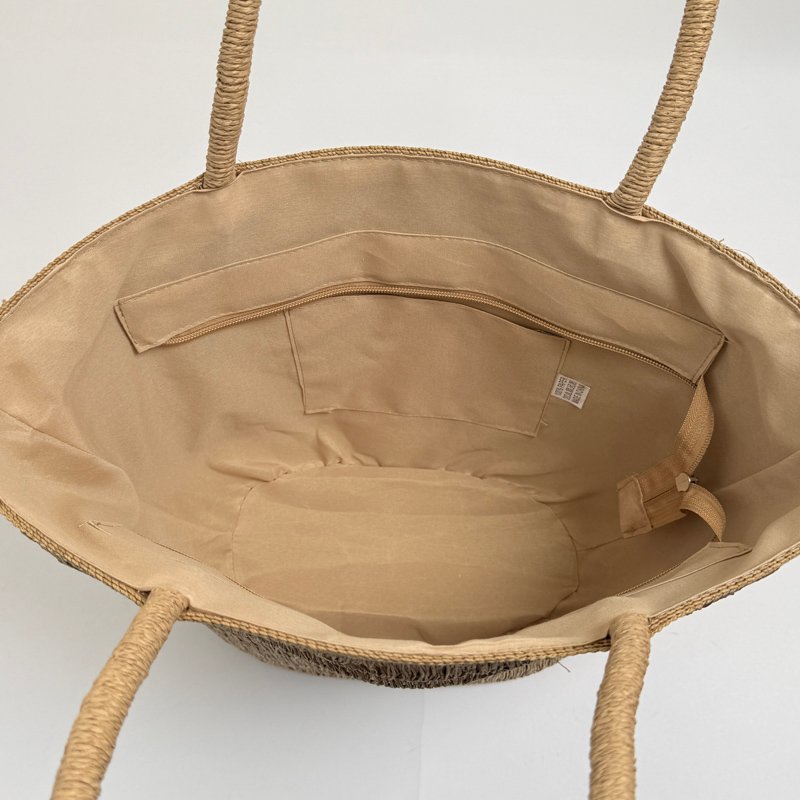
Lining, internal pockets, bottle loops, key hooks, dividers, padded panels, reinforced handle areas, and base support can make a tote more useful. They also move the project away from a simple promotional bag and toward a more developed product specification.
Folded Size and Carton Efficiency
Structured materials, rigid bases, thick handles, hardware, and retail packaging can increase carton volume. If storage or shipping preparation matters, confirm how the bag should be folded and packed before sample approval.
Match the Logo Method to the Material and Order
The options below apply to made-to-order routes. A finished-stock tote is supplied in its completed condition, so its logo size, position, color, and other finished specifications cannot be changed.
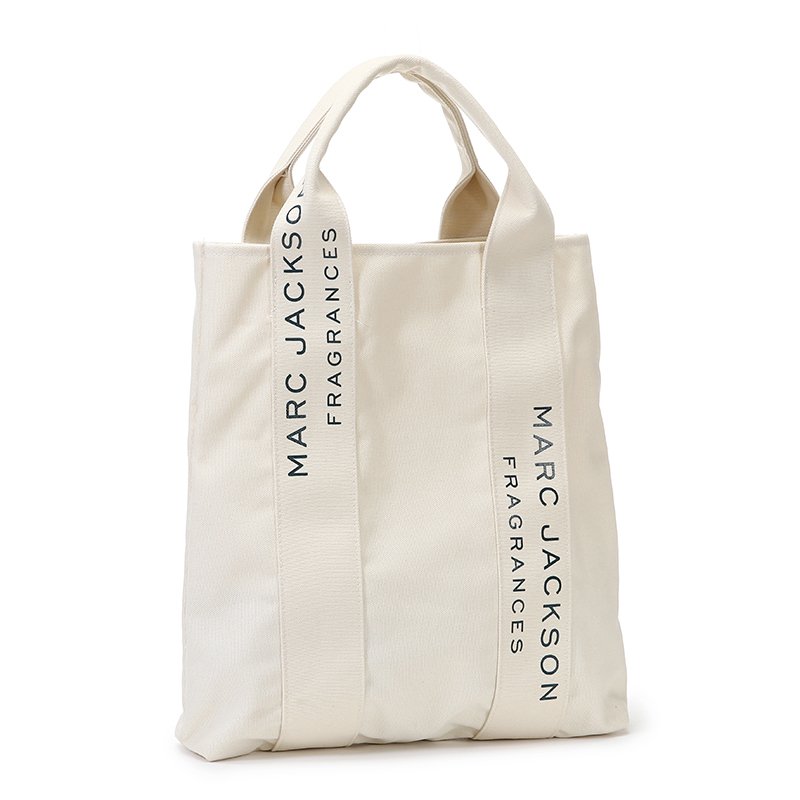
For an existing-pattern made-to-order project, logo artwork should be reviewed on the intended material, color, and surface. A method that works on a flat canvas panel may not produce the same result on a coated, textured, or padded panel.
Screen Printing
Screen printing can suit clear spot-color artwork on suitable flat panels. Buyers should confirm color count, print size, ink appearance, placement, and whether the material surface needs a sample review.
Heat Transfer or Digital Transfer
Transfer methods may support detailed or multicolor artwork, but compatibility depends on the fabric, coating, temperature sensitivity, artwork, and required finish. The actual material should be reviewed before bulk approval.
Embroidery
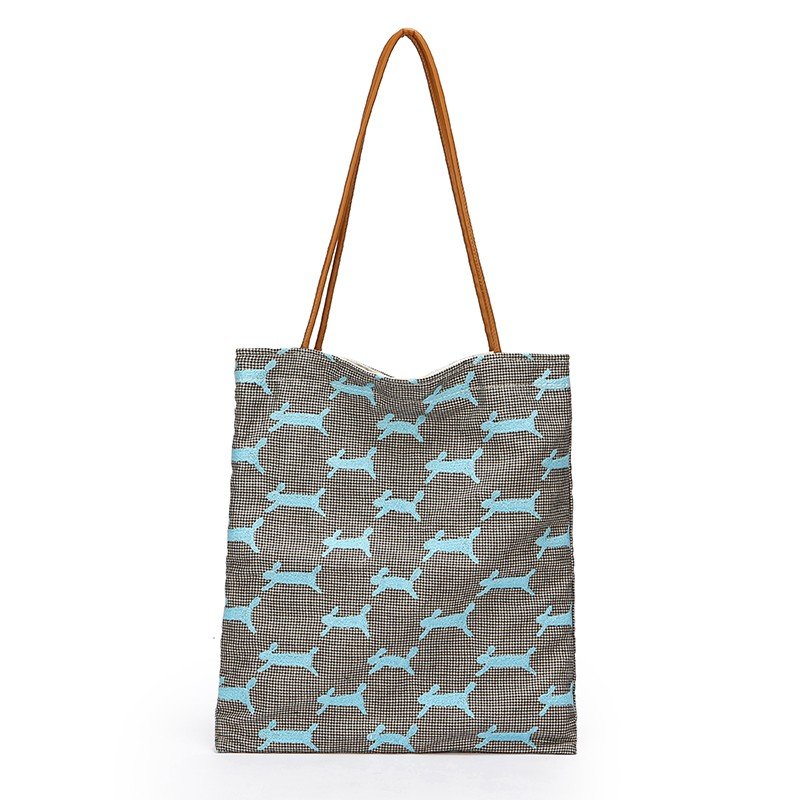
Embroidery can create a textured brand application. Stitch density, backing, panel thickness, distortion risk, and placement should be reviewed, especially on lighter fabrics or finished bags.
Woven Labels, Patches, and Hardware Branding
Woven labels, printed labels, PU patches, rubber patches, metal plates, zipper pullers, and other brand components can support a private-label program. Each option can introduce sourcing, tooling, color, attachment, and approval requirements.
For a deeper comparison, use the Custom Bag Logo Methods Guide.
How Quantity, Variants, and Specifications Affect MOQ and Cost
There is no single wholesale MOQ that applies to every tote bag project. Finished stock is constrained by available inventory and order terms; it does not become customizable at a higher quantity. For made-to-order projects, the workable quantity depends on the production route and how many setup decisions are involved.
| Cost or MOQ factor | Why it matters |
|---|---|
| Finished stock or production order | Finished stock is limited to available completed specifications, while a made-to-order run has production and setup requirements |
| Existing pattern versus new pattern | A new pattern and sample-development route requires more preparation than a made-to-order run based on a proven pattern |
| Stock material versus custom material | Custom color, coating, weight, width, or documented material may be affected by upstream supplier minimums |
| Number of colors and artwork versions | Splitting one order across variants can reduce the quantity available for each material, print, label, or packing setup |
| Logo and component setup | Screens, molds, plates, embroidery files, labels, patches, or hardware can add setup and approval work |
| Structure and labor | Lining, pockets, closures, reinforcement, binding, and complex sewing increase production steps |
| Packaging | Individual bags, inserts, hangtags, barcodes, retail boxes, and carton labels add materials and packing work |
| Sample and revision plan | New materials, patterns, logo methods, or packaging may require physical review and revisions |
Larger quantities may spread some setup costs across more units, but they also increase total inventory and cash commitment. Buyers should compare total order risk, specification stability, expected sell-through, and reorder plans rather than selecting quantity only to chase a lower unit price.
The Custom Bag MOQ and Cost Factors Guide explains these dependencies in more detail.
Sampling and Approval Before Bulk Production
A sample is most useful when it answers defined questions. Before requesting one, identify what must be approved:
- Overall dimensions and shape.
- Material, color, lining, and hand feel.
- Handle drop, strap construction, and reinforcement.
- Pocket, gusset, base, opening, and closure details.
- Logo size, placement, color, and finish.
- Labels, patches, hardware, and packaging.
- Folding method, inserts, barcode, and carton requirements.
A finished-stock item should be evaluated as the completed SKU and does not enter product-development sampling for changes to its logo or construction. An existing-pattern made-to-order project may use an artwork proof, pre-production reference, or physical sample depending on the specification. A new OEM/ODM tote belongs to the separate Custom development route, where physical sample and revision review may be needed. The final approval method should be agreed before bulk production planning.
See the Custom Bag Sample Development Guide for a fuller sampling workflow.
Quality Review Should Follow Confirmed Specifications
Broad quality adjectives do not tell a buyer what will actually be checked. A more useful quality plan connects the approved reference and confirmed specification to review points such as:
- Material identity, color, and visible surface condition.
- Bag dimensions and permitted measurement method.
- Stitching, seam alignment, reinforcement, and loose threads.
- Handle attachment, closure, zipper, snap, and hardware operation.
- Logo placement, size, color, and visible finish.
- Label, barcode, packaging, quantity, and carton marking.
The inspection scope, tolerance, sampling method, and responsibility for any required test should be confirmed for the actual order. The Custom Bag Quality Control Guide provides a broader framework.
Packaging, Production Timing, and Repeat Orders
Packaging is part of the product specification for made-to-order programs. Bulk packing may suit promotional distribution, while retail programs may require individual bags, inserts, hangtags, barcodes, labels, or boxes. Carton size and folding method can affect storage and shipping preparation. For finished stock, existing packaging should be treated as fixed unless a separate repacking service is explicitly confirmed.
For finished stock, availability, existing packing, order handling, and delivery planning drive timing. For made-to-order routes, production timing depends on material availability, number of variants, sample approval, logo setup, components, packaging, quantity, and remaining revisions. A delivery target should be shared early, but it should not be treated as confirmed until availability or the production plan has been reviewed.
For finished stock, future availability of the same SKU and color must be reconfirmed. For made-to-order repeat programs, record the approved material reference, color, construction, artwork, components, packaging, and any agreed tolerances. Availability and consistency should still be reconfirmed before each new run.
Review the Custom Bag Packaging Guide and Custom Bag Production Lead Time Guide when packing or delivery planning is a major part of the project.
Wholesale Tote Bag Quote Checklist
Provide the following information for a more useful project review. For a finished-stock request, identify the exact SKU or product reference and available color; specification fields apply only to made-to-order routes.
| Information | What to send |
|---|---|
| Buyer program | Retail, promotion, event, packaging, private label, distributor, or repeat order |
| Product route | Finished-stock SKU or existing-pattern made-to-order style; new OEM/ODM development follows the Custom Tote Bag Manufacturer route. |
| Reference | Photos, physical sample, sketch, tech pack, or existing product link |
| Dimensions | Width, height, depth or gusset, handle drop, strap length, and intended contents |
| Material | Preferred fabric, weight or denier if known, color, lining, coating, finish, and documentation needs |
| Construction | Opening, closure, pockets, reinforcement, base, seams, binding, and components |
| Branding | Artwork file, logo method, size, placement, color count, labels, patches, or hardware branding |
| Quantity | Total quantity, quantities per color or artwork, test order, and repeat-order expectation |
| Packaging | Folding, individual bag, insert, hangtag, barcode, label, box, and carton marking |
| Timing and delivery | Sample target, bulk delivery objective, destination, and any event or launch dependency |
Frequently Asked Questions
What is the difference between wholesale custom tote bags and full OEM/ODM tote manufacturing?
Wholesale describes the order context, not whether a product can be changed. A finished-stock tote is already manufactured and is supplied with its completed specifications unchanged. An existing-pattern made-to-order tote is produced after order and can support reviewed branding or specification options. Full OEM/ODM development may require a new pattern, construction, components, sample revisions, and detailed approval.
What is the MOQ for wholesale custom tote bags?
Finished stock is governed by available inventory and order terms. For made-to-order totes, MOQ depends on the pattern route, material, color, logo method, number of variants, packaging, and production setup. Send the selected route and quantity split for a project-specific review.
Can I order different colors or logo versions in one bulk order?
For finished stock, only available completed variants can be selected and their logo details cannot be changed. For made-to-order projects, multiple colors or artwork versions may be possible, but each split can affect material allocation, print or embroidery setup, labels, packing, and the workable quantity per variant. List every requested variant when requesting a quote.
Which material is best for a bulk tote bag program?
There is no universal best material. Canvas or cotton may suit many retail and branded programs, non-woven PP can fit lightweight promotional use, and polyester or coated materials may support different structure or surface needs. The intended use, logo, construction, documentation, and budget should guide the decision.
Do wholesale tote bags require a physical sample?
A finished-stock tote can be reviewed as the actual completed item; it is not sampled for changes to its logo or construction. An existing-pattern made-to-order project may use an artwork proof, pre-production reference, or physical sample. A new pattern, custom material, complex print, lining, hardware, or retail packaging is more likely to require physical sample review.
What artwork should I provide for a custom logo?
For a made-to-order project, provide the best available vector artwork, target size, placement, color reference, and preferred method. If the method is undecided, share the desired appearance and actual bag material so compatibility can be reviewed. Finished-stock logo specifications cannot be changed.
How long does a wholesale tote bag order take?
Timing depends on material availability, style complexity, sample and artwork approval, quantity, variants, logo setup, packaging, and shipping preparation. Share the required date early, but treat timing as provisional until the specification and production plan are confirmed.
Can the bags include retail packaging, labels, or barcodes?
These options can be reviewed as part of the specification. Send label artwork, barcode data, placement, packing method, carton requirements, and any retailer instructions before sampling or quotation is finalized.
How should recycled, organic, certified, or water-resistant requirements be handled?
State the exact claim and documentation required. Material descriptions, supplier documents, certification scope, testing, labeling, and finished-product construction may all matter. Do not rely on a generic material name as proof.
What should I send to receive a useful wholesale tote bag quotation?
For finished stock, send the exact SKU or product reference, available color, quantity, destination, and timing objective. For a made-to-order project, also send the intended use, dimensions, material direction, construction, logo artwork, variant split, and packaging. Note which production details are fixed and which are open to recommendation.
Review Your Wholesale Tote Bag Project
Send Northline Bags the intended order route. For finished stock, provide the exact SKU or product reference, available color, quantity, destination, and delivery objective. For made-to-order projects, also provide the intended use, material direction, dimensions, construction, logo artwork, variants, and packaging needs. The team can then identify the details needed before quotation or sampling.