Custom Bag Manufacturing Process Guide
A custom bag project moves faster when the buyer and factory are clear on the same details before quotation, sampling, production, packaging, and shipment preparation. This guide explains how the process moves from inquiry review to sample approval, bulk production, quality review, packaging, and shipment preparation.
Direct Answer: How Does the Custom Bag Manufacturing Process Work?
The custom bag manufacturing process usually moves from inquiry review to specification review, structure and material review, quotation, sample development, sample approval, material preparation, cutting, sewing, logo application, quality review, packaging, and shipment preparation.
This process is not only factory work. Buyer details and buyer approvals also affect how smoothly the project moves. A clear workflow helps buyers plan quotation, sample timing, bulk production timing, packaging, and delivery expectations more realistically.
In a custom bag manufacturing project, missing details can still be discussed during inquiry review, but the first conversation is more useful when the project direction is clear.
Inquiry and Specification Review
Northline Bags reviews bag type, reference photos, rough dimensions, quantity, material direction, logo needs, packaging needs, timeline expectations, and buyer approval contact.
Quotation and Sample Development
Quotation review depends on confirmed project details. Sampling then turns the approved direction into a physical item for buyer review.
Sample Approval and Production Planning
After sample approval and order confirmation, the factory can prepare materials, components, logo setup, packaging materials, and carton requirements.
Quality, Packaging, and Shipment Preparation
In-process review, final quality review, packaging preparation, and shipment preparation should follow the approved sample, confirmed specifications, and agreed order requirements.
Step 1: Inquiry and Project Information Review
After you send an inquiry, the first step is to understand the product and the commercial goal. A useful inquiry gives the factory enough context to review quotation, sample path, MOQ, timeline, and next questions.
Bag Type and Reference Photos
Send the bag type, reference photos, existing sample photos, or sketches so the factory can understand the starting direction.
Size, Material, Logo, and Packaging Needs
Include rough dimensions, material direction, logo needs, and packaging needs where available.
Target Quantity, Cost Target, and Timeline
Target quantity, cost target, timeline, and destination or sales-channel needs help make quotation review more practical.
Initial Quotation Review Within 24 Hours for Clear Inquiries
For clear inquiries, an initial quotation review can often be arranged within 24 hours. This does not mean every project receives a final exact quote within 24 hours.
Follow-Up Questions for Unclear Projects
If the bag structure, material, logo method, quantity, or packaging needs are still open, Northline Bags may ask follow-up questions before quotation review can move forward. The Custom Bag Specification Sheet Guide can help organize those details.
The manufacturing process moves more smoothly when buyers organize their custom bag customization options before quotation, sampling, material preparation, production planning, quality review, and packaging.
Step 2: Specification, Function, and Structure Review
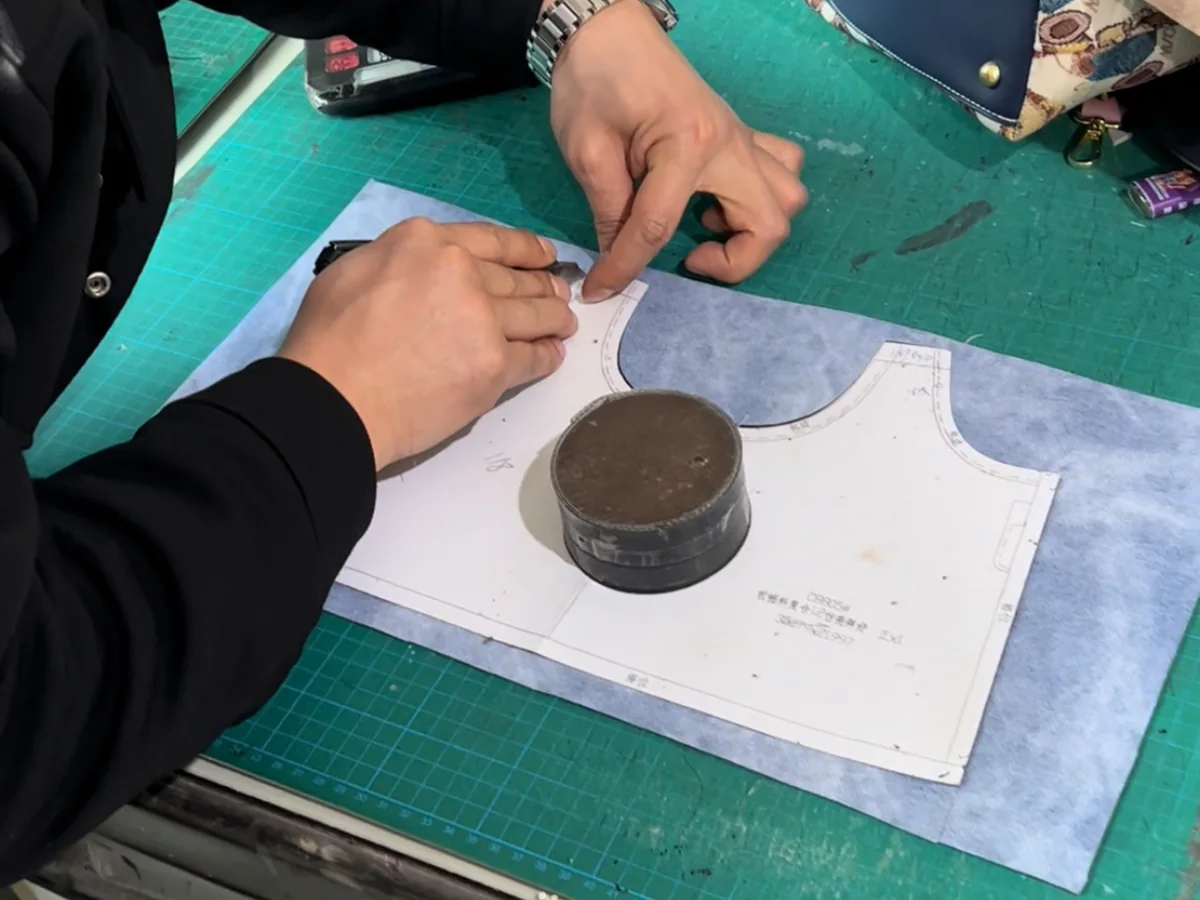
Before sampling starts, the factory should understand the bag specification and structure direction. A reference photo is useful, but it is not enough by itself.
Size and Capacity Direction
Review length, width, height, gusset, size and capacity direction, and any product or accessory dimensions that matter.
Pockets, Compartments, Handles, and Straps
Clarify pocket layout, compartments, handle drop, strap length, carrying method, and buyer requirements for daily use or sales channel.
Lining, Padding, Reinforcement, and Opening Direction
Lining, padding, bottom support, zipper or opening direction, and reinforcement can affect sample development, cost, lead time, and quality review.
Reference Photo Is Useful But Not Enough
Photos usually do not show real dimensions, pocket depth, lining, handle construction, strap length, zipper opening, bottom support, reinforcement, or material behavior.
Structure Review Before Sampling
If your bag needs structure changes, review the Custom Bag Function & Structure Design Guide. If you need to organize the full project file, use the Custom Bag Specification Sheet Guide.
Step 3: Material, Logo, and Packaging Direction
Material, logo, and packaging decisions should be reviewed early because they affect more than appearance.
Material Availability and Compatibility
Material availability and compatibility can affect feasibility, sample path, MOQ, cost, production planning, and final quality review.
Logo Method and Placement
Logo method and placement should be reviewed with panel shape, pocket position, seam route, zipper opening, padding, and material surface.
Packaging Method and Carton Details
Packaging can include bulk packing, folded packing, individual polybags, hangtags, labels, inserts, barcode labels, carton marks, and shipping marks.
Buyer-Provided Sales-Channel Requirements
Buyer-provided sales-channel requirements should be shared where applicable so they can be reviewed with packaging and shipment preparation.
How These Details Affect Cost, Sample, MOQ, Lead Time, and QC
For deeper planning, use the Bag Material Selection Guide, Custom Bag Logo Methods Guide, and Custom Bag Packaging Guide.
Step 4: Quotation Review and Project Confirmation
Quotation review depends on style, structure, material, logo method, packaging, quantity, sample needs, and production setup.
What Quotation Depends On
A simple tote bag with one printed logo is a different quotation question from a backpack with lining, laptop sleeve, bottle pocket, padded straps, reinforced stress points, multiple zippers, and custom packaging.
Why Quote May Change After Revisions
Quotation may need revision if the buyer changes structure, material, quantity, packaging, logo method, artwork, or sample requirements.
Quantity, Material, Structure, Logo, and Packaging Impact
Each change can affect material usage, labor, setup, MOQ, cost, and production planning.
Buyer Confirmation Before Sampling or Bulk Planning
Buyer confirmation is needed before sample development or bulk planning moves forward. The Custom Bag MOQ and Cost Factors Guide explains why cost and MOQ are not always one fixed number.
Step 5: Sample Development and Sample Approval
Sample development turns the confirmed direction into a physical item for review. Sample approval is one of the main transitions before bulk production planning.
Rapid Sampling as a Conditional Capability
Rapid sampling can help suitable projects move faster when structure, material, logo method, and approval details are clear.
Samples as Fast as 7-10 Days for Suitable Projects
For suitable projects using available materials and standard logo methods, samples can be ready in as fast as 7-10 days. This is a useful planning signal, not a fixed sample date for every project.
Complex Projects May Need More Time
Complex structure, custom materials, special logo methods, packaging samples, custom components, or revision rounds can require more time.
What Buyers Should Review in the Sample
Sample review may include dimensions, material, structure, logo result, stitching, handle or strap direction, lining, zippers, packaging, and buyer approval.
Approved Sample Direction and Written Requirements
After sample approval, the approved sample direction should be supported by written specifications and agreed order requirements before bulk production planning. For deeper sample-stage details, use the Custom Bag Sample Development Guide.
Step 6: Material Preparation and Pre-Production Planning
After sample approval and order confirmation, the factory can prepare materials and components for production.
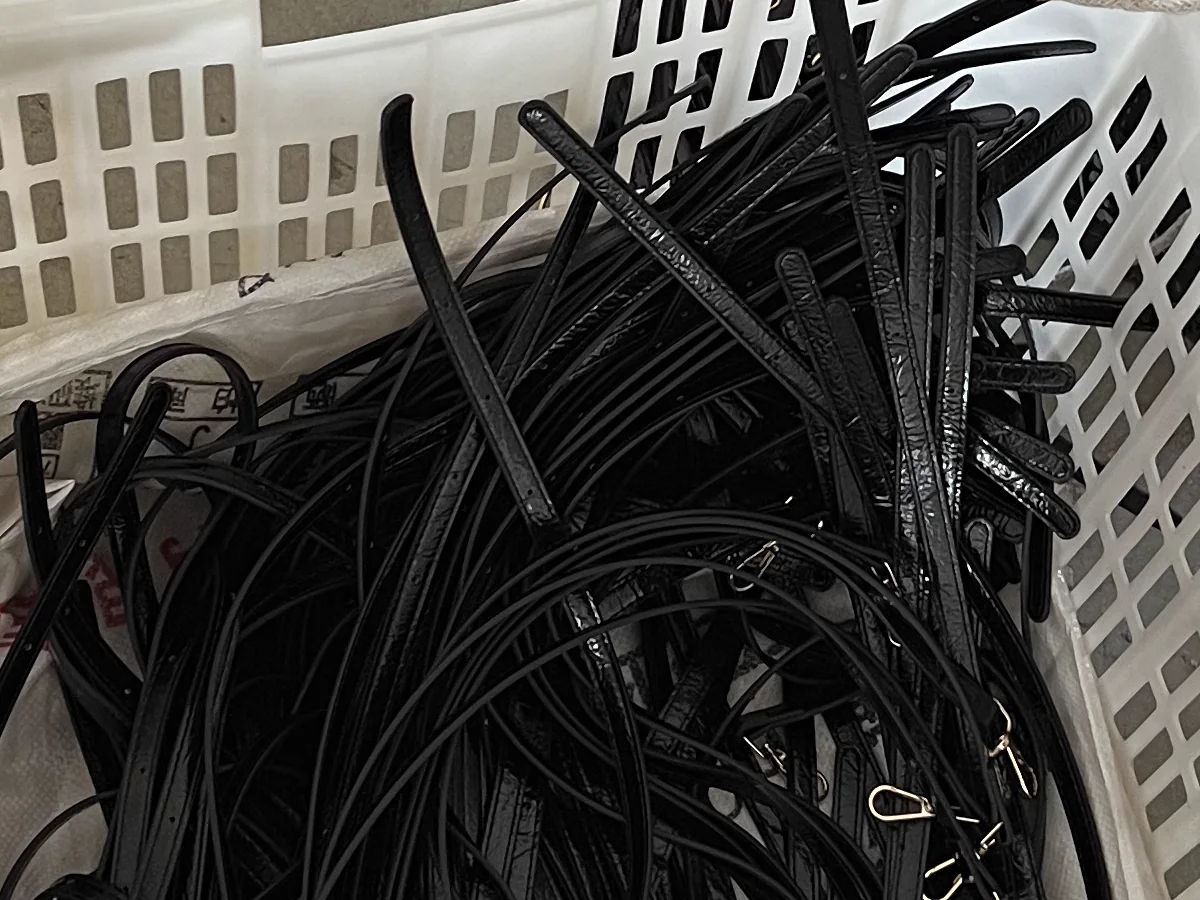
Fabric, Lining, Webbing, Zippers, and Hardware
Production preparation may include fabric, lining, webbing, zippers, hardware, reinforcement, labels, and order-specific components.
Labels, Packaging Materials, Logo Setup, and Carton Requirements
Logo setup, packaging materials, labels, carton requirements, carton marks, and shipping marks should be reviewed before the order reaches packing.
Material Availability and Supplier Lead Time
Timing depends on material availability, supplier lead time, components, order quantity, packaging requirements, and buyer confirmation.
Approved Sample, Final Specification, Artwork, and Packaging Direction
Pre-production planning checks whether the approved sample, final specification, artwork, packaging direction, and buyer approval record are clear enough for production.
Late Changes May Require Review Again
If a buyer changes material, structure, logo placement, packaging, or quantity after approval, the production plan may need to be reviewed again.
During production planning, bag hardware and component requirements should be clear enough for sourcing, sample review, assembly, quality review, and packaging preparation.
Step 7: Cutting, Sewing, Logo Application, and Assembly
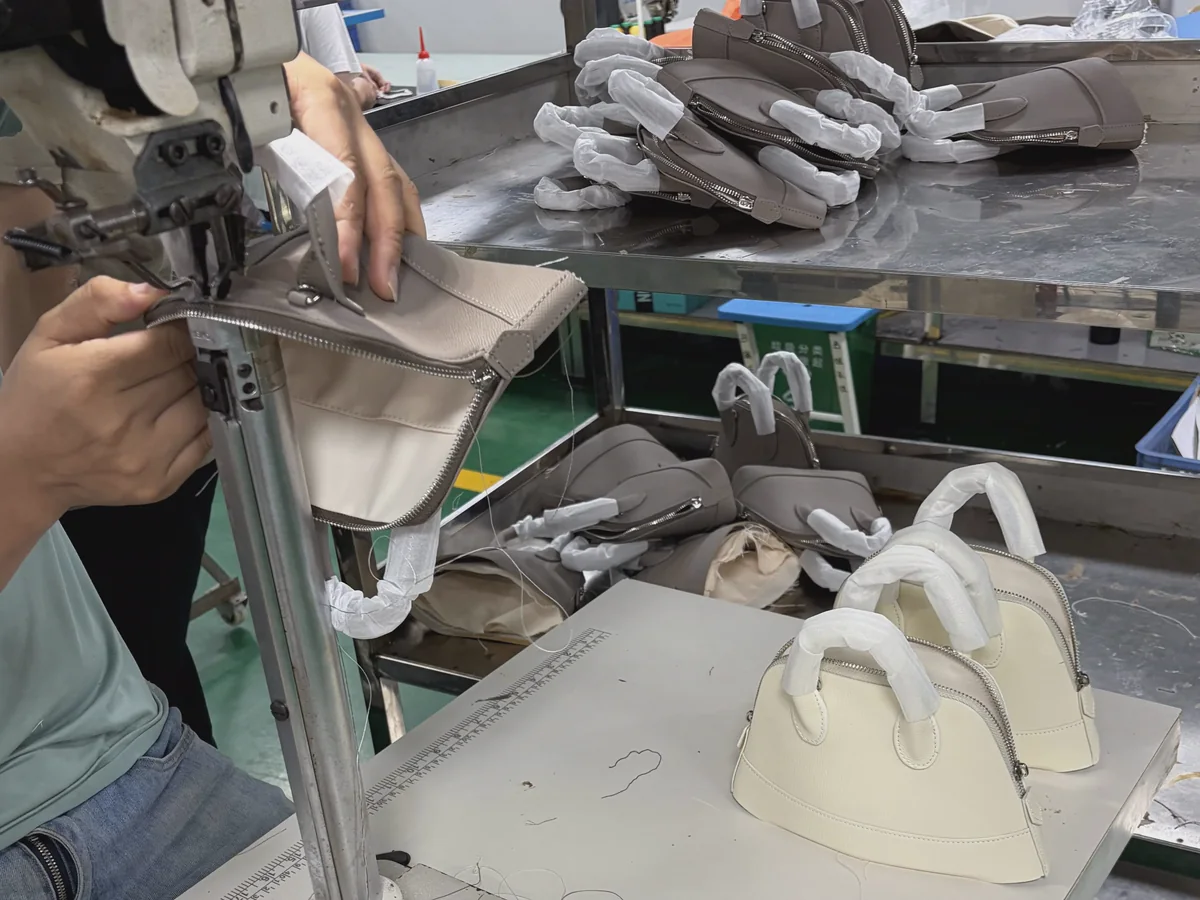
Cutting, sewing, logo application, and assembly follow the approved pattern, specification, and order direction.
Cutting From Approved Pattern or Specification
Fabric panels, lining pieces, reinforcement pieces, pocket parts, straps, handles, and other components are prepared according to the confirmed order direction.
Sewing and Assembly
Sewing and assembly build the bag structure according to the approved requirements.
Handles, Straps, Pockets, Lining, Zippers, Hardware, and Reinforcement
Depending on the bag type, production may include panels, handles, straps, pockets, lining, zippers, hardware, reinforcement, bottom support, binding, piping, and shape-related details.
Logo Application Before or After Sewing
Logo application may happen before or after sewing depending on logo method, panel shape, pocket position, material surface, and assembly sequence.
Approved Requirements Guide the Production Team
The buyer does not need to manage the sewing line, but approved requirements should be clear enough for the factory team to produce the same bag direction across the order.
Step 8: In-Process Review and Final Quality Review
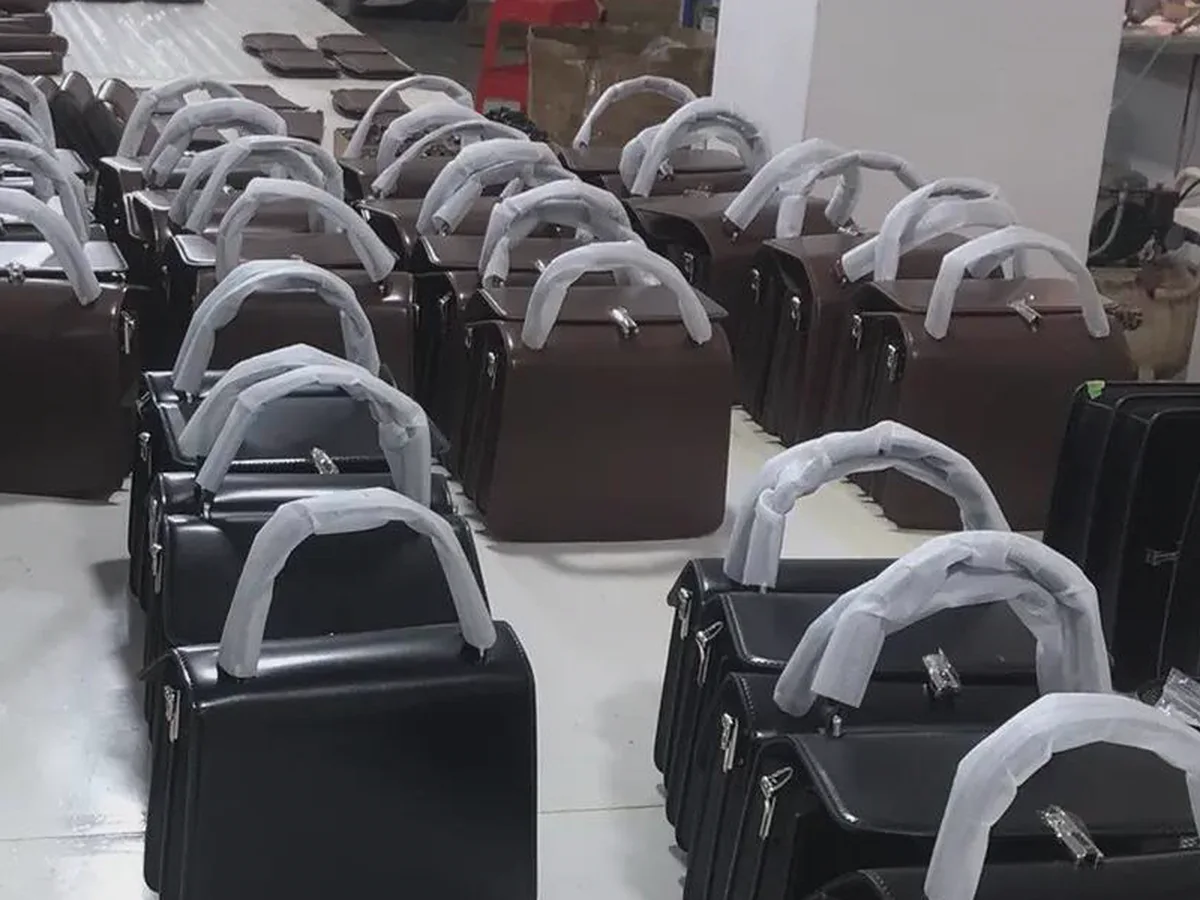
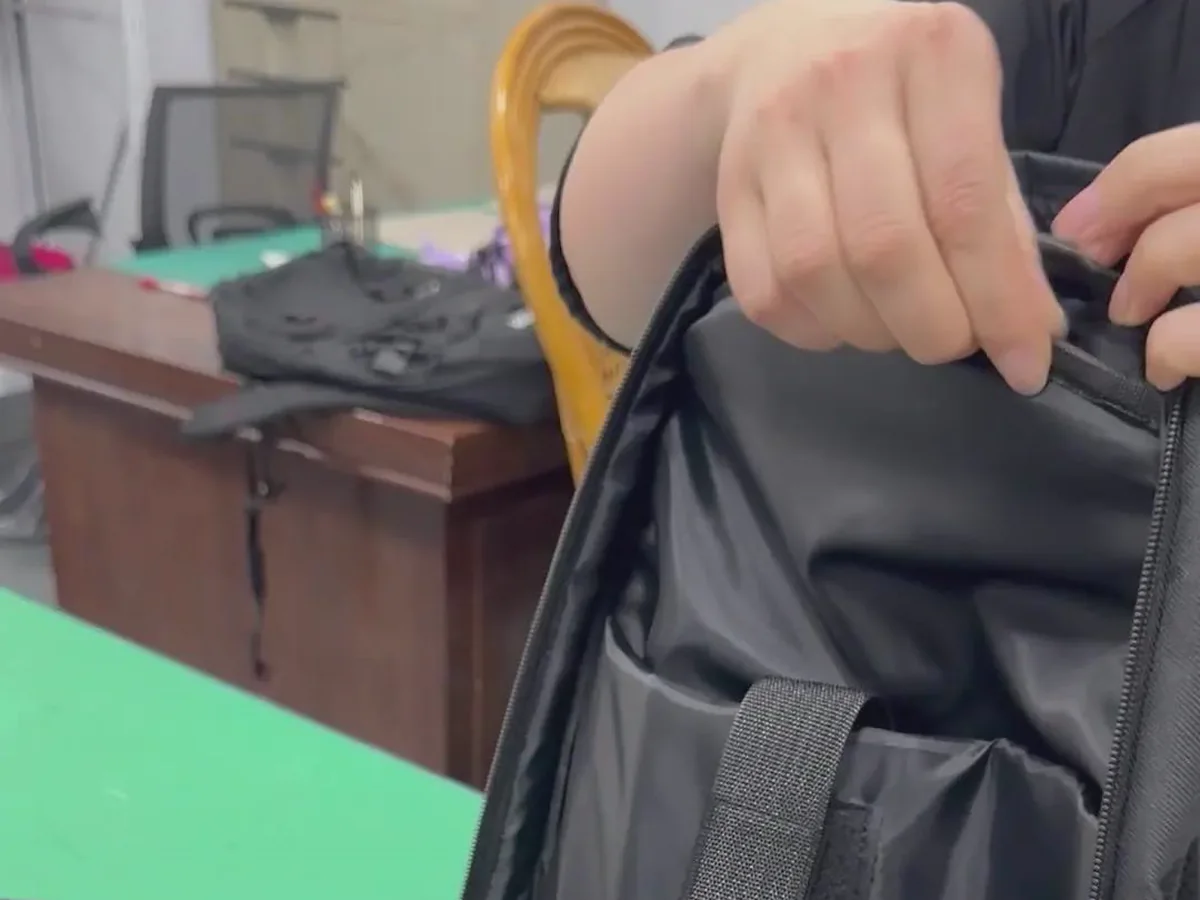
Quality review fits into the process before finished goods are packed and prepared for shipment.
In-Process Review During Production
In-process review can help check workmanship, logo placement, material direction, sewing, dimensions, structure, and packaging preparation while production is moving.
Workmanship, Logo Placement, Material Direction, Sewing, Dimensions, and Structure
Review points may include material and color, stitching, seams, size, shape, zipper function, handle attachment, reinforcement, logo appearance, labels, and packaging.
Final Review Against Approved Sample and Confirmed Specifications
Final quality review should match the approved sample, confirmed specifications, and agreed order requirements.
Packaging and Carton Mark Review
Packaging, carton marks, and project-specific points should be reviewed according to the confirmed requirements.
Quality Expectations and Review Scope
Quality expectations should be clear before production, and the review scope should match the approved sample, confirmed specifications, and agreed order requirements. For deeper quality planning, use the Custom Bag Quality Control Guide.
Step 9: Packaging Preparation and Shipment Preparation
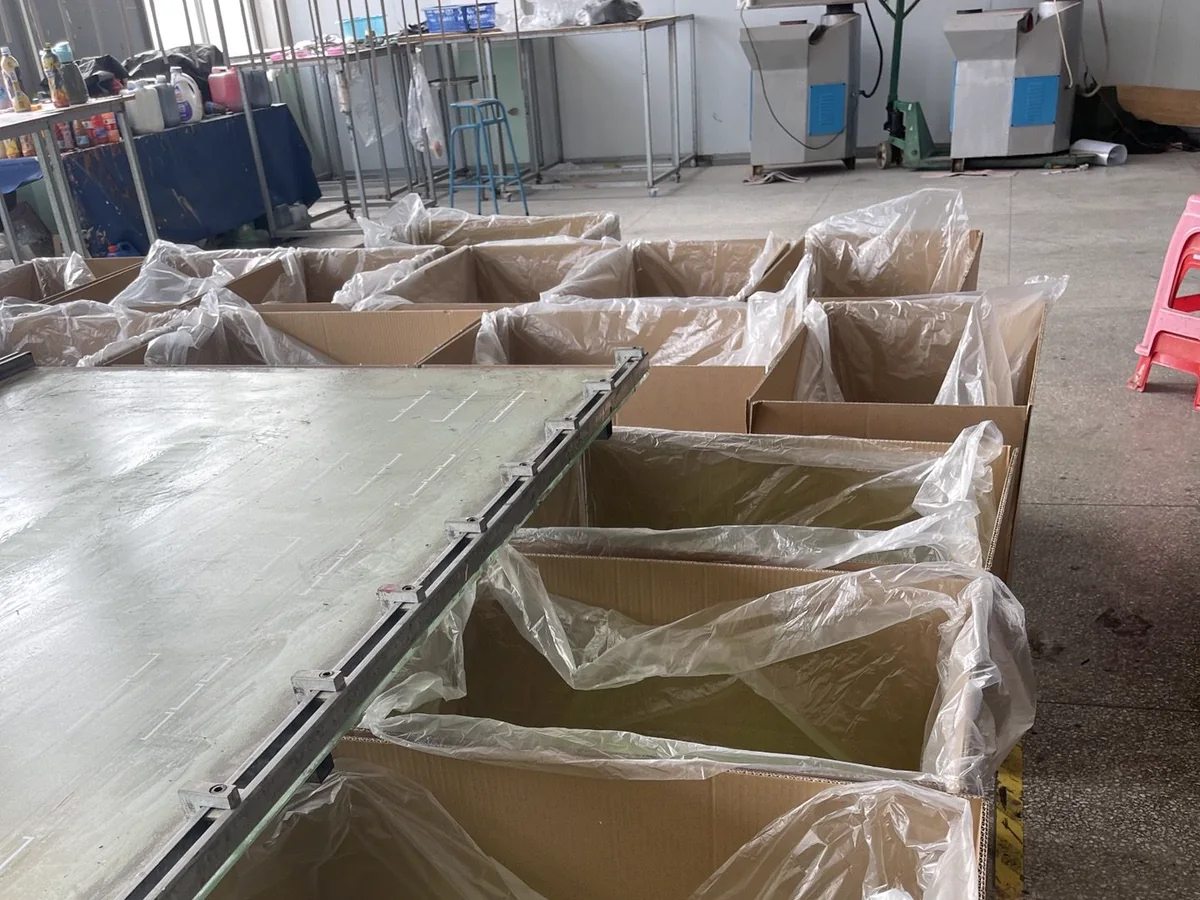
Packaging should be confirmed before bulk packing starts, and shipment preparation should support the buyer-provided logistics plan.
Packaging Confirmed Before Bulk Packing
Packaging can include polybags, hangtags, labels, inserts, barcode labels, carton marks, shipping marks, retail packaging, folded packing, flat packing, or bulk packing.
Polybags, Hangtags, Labels, Inserts, Barcode Labels, and Carton Marks
These details should be reviewed before production reaches the packing stage because they may affect cost, lead time, packing labor, and final review.
Carton Planning, Packing List, and Shipping Marks
Shipment preparation may include carton planning, packing list details, carton marks, shipping marks, and dispatch readiness.
Buyer-Provided Logistics Requirements
Buyer-provided logistics requirements, warehouse requirements, and sales-channel needs should be shared where applicable.
Sales-Channel and Logistics Limits
Packaging and shipment preparation can support the buyer’s logistics plan, but customs clearance, marketplace approval, retailer acceptance, freight cost, and delivery timing depend on the buyer’s requirements, shipping path, destination, and logistics arrangements. For packaging details, review the Custom Bag Packaging Guide.
What Can Affect the Manufacturing Timeline?
Bulk production timing depends on material availability, structure, logo method, quantity, packaging requirements, sample approval, buyer feedback speed, and production schedule. A realistic timeline is not only the factory sewing time.
Unclear Specifications and Incomplete Artwork
Missing dimensions, structure notes, logo files, packaging details, or approval contacts can slow quotation, sample development, or production planning.
Material Availability and Custom Components
Stock materials may be easier to review than custom materials, but availability still needs confirmation before production scheduling.
Logo Method and Structure Complexity
Logo setup, artwork approval, custom structure, multiple pockets, lining, padding, reinforcement, or special hardware can affect timing.
Sample Revision Rounds and Buyer Approval Speed
Sample revisions, feedback timing, and approval speed can affect when bulk production can start.
Packaging Requirements, Order Quantity, Peak Season, and Shipment Preparation
Packaging requirements, order quantity, production schedule, inspection preparation, and shipment preparation also affect the timeline. The Custom Bag Production Lead Time Guide explains this in more detail.
What Buyers Should Prepare Before Starting Production
Before bulk production starts, the buyer and factory should agree on the production direction. The factory should not be guessing from a photo or partial message.
Final Specification and Approved Sample
Prepare the final specification, approved sample, and open details that still need review.
Approved Material and Logo Artwork
Confirm approved material, logo artwork, logo method, logo placement, and any setup requirements.
Approved Packaging and Target Quantity
Confirm packaging, target quantity, carton marks, shipping marks, and packing requirements where needed.
Delivery Target and Quality Expectations
Share delivery target, quality expectations, inspection requirements if any, and buyer-provided sales-channel or documentation requirements where applicable.
Buyer-Provided Sales-Channel or Documentation Requirements
Buyer-provided marketplace, retailer, warehouse, or documentation requirements should come from the buyer and be shared early for review.
Buyer Approval Contact
Northline Bags can discuss missing details during inquiry review, but production planning becomes more practical when the approval path is clear. The Custom Bag Specification Sheet Guide can help organize the details before you contact the factory.
Custom Bag Manufacturing Process Checklist
Use this checklist before requesting quotation, sampling, or production planning.
Project Direction
- Bag type
- Reference photo or sample
- Rough dimensions
- Intended use and sales channel
- Buyer approval contact
Specification and Structure
- Structure direction
- Size and capacity direction
- Pocket and compartment layout
- Handle, strap, zipper, lining, padding, and reinforcement details
- Approved specification or open details that need review
Material, Logo, and Packaging
- Material direction
- Logo artwork and logo method
- Logo placement
- Packaging requirements
- Carton marks and shipping marks if needed
Commercial and Timeline Inputs
- Target quantity
- Cost target or budget direction
- Sample needs
- Timeline expectations
- Delivery target if known
Approval Before Production
- Sample approval contact
- Bulk order confirmation
- Approved material
- Approved logo artwork
- Approved packaging
- Quality expectations
Common Misunderstandings About Bag Production Workflow
These points are practical corrections buyers can use before quotation, sampling, or production planning.
A Reference Photo Is Enough for Quotation
A reference photo is a useful starting point, but it usually does not show the full specification. A better inquiry includes rough dimensions, material direction, structure notes, logo details, quantity, packaging needs, and timeline expectations.
Quotation Can Always Be Exact Before Details Are Confirmed
Quotation depends on the confirmed product direction. If structure, material, logo method, packaging, or quantity changes, the quotation may need to be reviewed again.
Sample Time Is the Same for Every Project
Sample timing depends on material availability, structure complexity, logo method, packaging sample needs, supplier components, revision rounds, and buyer approval speed.
Bulk Production Can Start Before Approval
Bulk production should start after the approved requirements are clear enough to guide material preparation, cutting, sewing, logo application, packing, and quality review.
Packaging Can Be Confirmed After Production Finishes
Packaging should be confirmed before bulk packing starts. Hangtags, barcode labels, polybags, carton marks, inserts, retail packaging, and carton planning can affect cost, lead time, and final review.
Quality Review Only Happens at the End
Final review matters, but production can also include in-process review. Clear specifications and approved samples help the factory check workmanship, logo placement, material direction, structure, and packaging before shipment preparation.
Delivery Timing Depends Only on the Factory
Factory production is one part of the timeline. Buyer approval speed, material availability, packaging requirements, inspection preparation, freight path, destination, and logistics arrangements can also affect the final schedule.
Rapid Sampling Means a Guaranteed Sample Date
Rapid sampling means quick sample development can be possible for suitable projects when structure, material, logo method, and buyer approval details are clear. It does not mean the same date for every custom bag project.
FAQ
What is the custom bag manufacturing process?
It is the workflow that moves a custom bag project from inquiry review to specification review, quotation, sample development, sample approval, material preparation, cutting, sewing, logo application, quality review, packaging, and shipment preparation.
What information should I send before requesting a quote?
Send bag type, reference photos, rough dimensions, material direction, structure details, logo artwork, packaging needs, target quantity, sample needs, timeline expectations, and buyer approval contact.
Can I get a quote within 24 hours?
For clear inquiries, an initial quotation review can often be arranged within 24 hours. If key details are missing, Northline Bags may need to ask follow-up questions before quotation review is practical.
What does rapid sampling mean?
Rapid sampling means quick sample development may be possible when the structure, material, logo method, and approval details are clear. It should be understood as a capability direction, not a fixed promise for every project.
How fast can a custom bag sample be made?
For suitable projects using available materials and standard logo methods, samples can be ready in as fast as 7-10 days. Complex structures, custom materials, special logo methods, packaging samples, or revision rounds can take longer.
What happens after sample approval?
After sample approval and order confirmation, the factory can prepare materials, components, logo setup, packaging materials, carton requirements, and production planning for the approved order direction.
When does bulk production start?
Bulk production should start after the sample direction, specifications, material, logo artwork, packaging, quantity, and buyer approvals are clear enough for production scheduling.
What affects custom bag production lead time?
Lead time can be affected by material availability, structure complexity, logo method, artwork approval, sample revisions, components, packaging requirements, order quantity, buyer feedback speed, and production schedule.
When should packaging details be confirmed?
Packaging should be confirmed before bulk packing starts. If hangtags, barcode labels, polybags, inserts, carton marks, or retail packaging are required, those details should be reviewed before production reaches the packing stage.
How does quality review fit into the production process?
Quality review should match the approved sample, confirmed specifications, and agreed order requirements. It can include in-process review and final review before packaging or shipment preparation.
Can Northline Bags help if my project details are incomplete?
Yes. Send the details you have and mark what is still open. Missing details can be discussed during inquiry review before quotation, sampling, or production planning moves forward.
What should I prepare before production starts?
Prepare the final specification, approved sample, approved material, approved logo artwork, approved packaging, target quantity, quality expectations, timeline expectations, and buyer approval contact.
Start Your Custom Bag Production Review
Send Northline Bags your bag type, reference photos, specification sheet if available, structure details, material direction, logo artwork, packaging requirements, target quantity, sample needs, timeline expectations, and buyer approval contact. The team can review your project direction before quotation, sampling, and production planning.