Custom Bag Sample Development Guide

Custom bag sample development turns a buyer's idea, reference photo, existing bag, sketch, or tech pack into a physical sample that can be reviewed before bulk manufacturing.

For B2B buyers, sampling is part of the custom bag manufacturing process because it affects quotation accuracy, MOQ planning, material sourcing, logo testing, lead time, revision risk, and bulk production communication.

Sample approval helps reduce misunderstandings before bulk production, but it does not replace written specifications, material confirmation, production control, or inspection where required.

What Is a Custom Bag Sample?

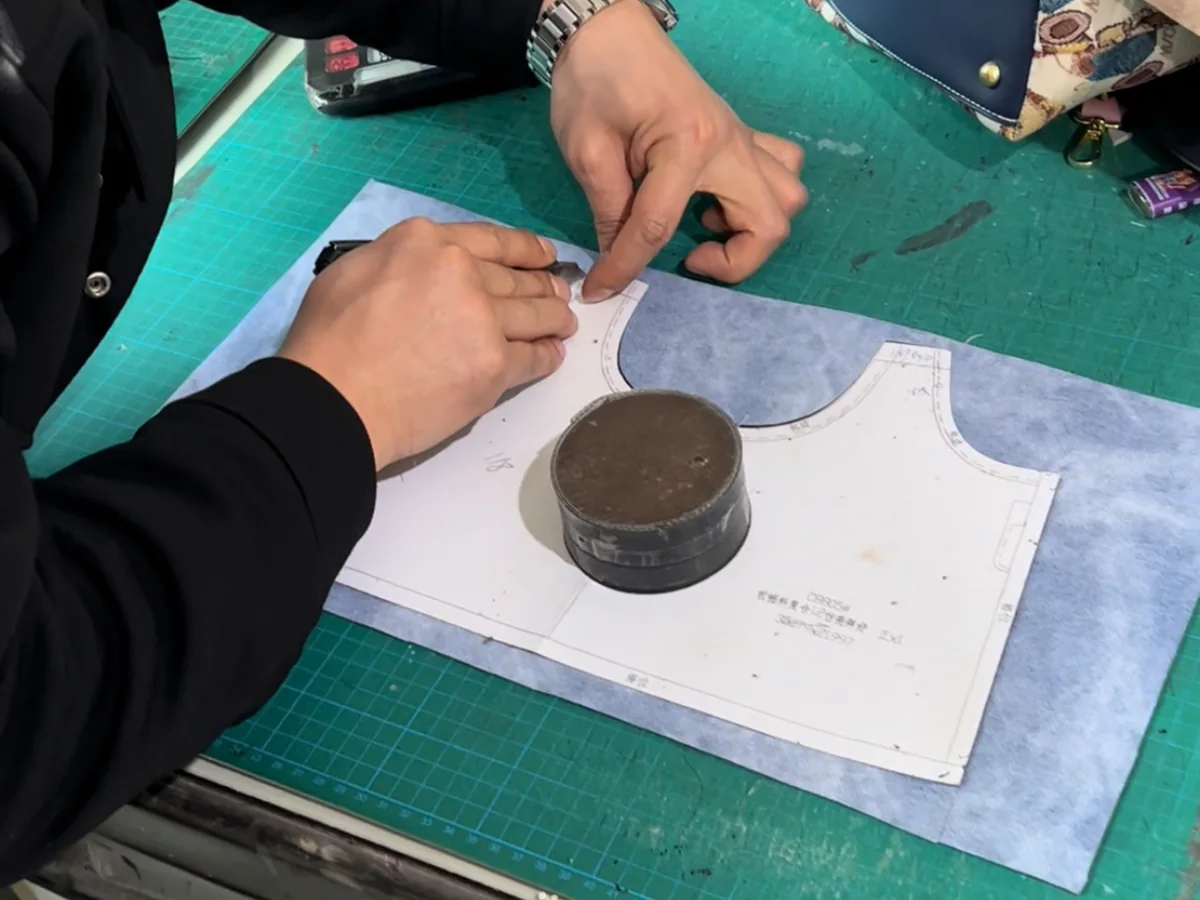
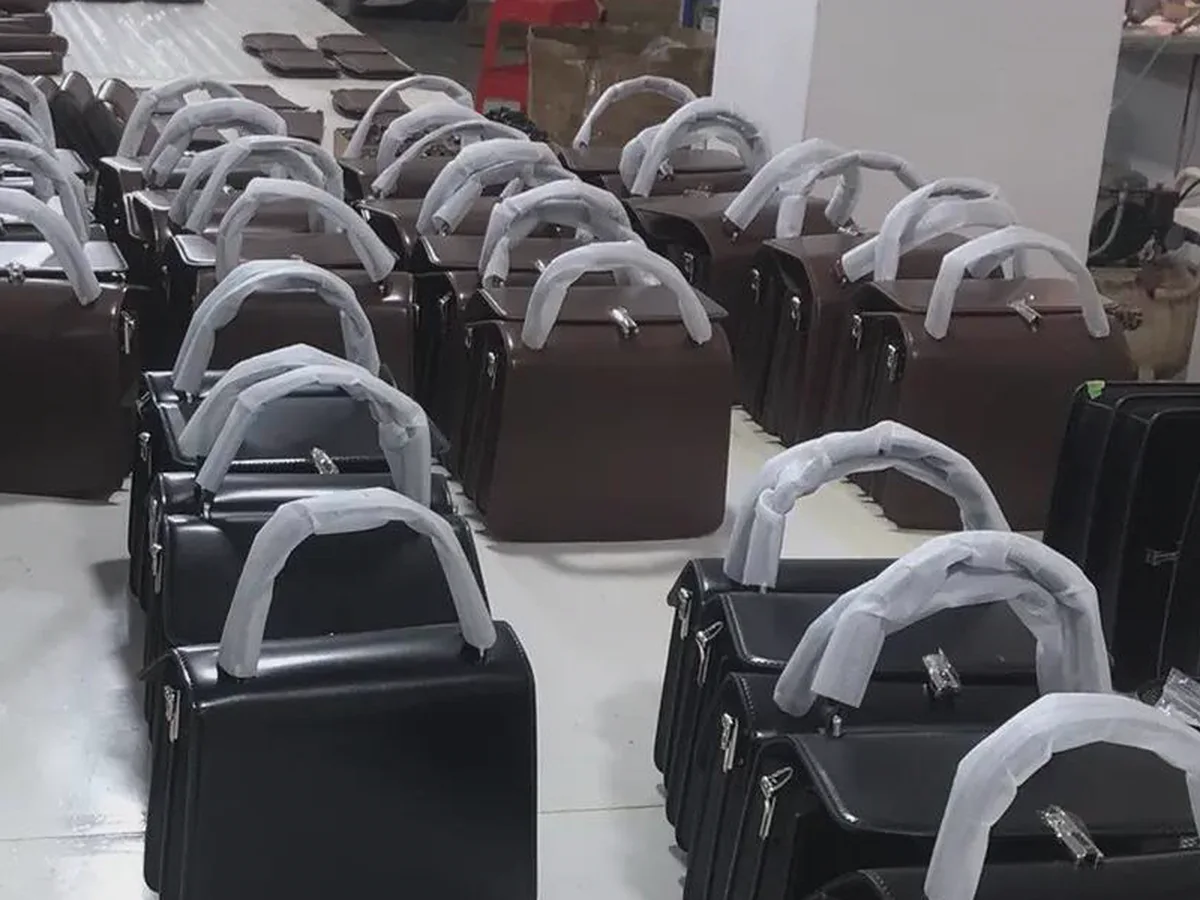
A custom bag sample is a physical bag or sample-stage product made before bulk production. It gives the buyer and manufacturer a real item to review instead of relying only on a drawing, quotation sheet, or digital mockup.

Physical sample before bulk production

A custom bag sample is made before bulk production so buyers can review the product direction as a real item.

What a sample can help confirm

It can help confirm material, structure, size, logo, trim, stitching, zipper, lining, handle, packaging, and production direction.

What a sample should not be treated as

A sample is not a guarantee that every bulk unit will match automatically without written specifications, confirmed materials, process control, and inspection where required.

Why Sampling Matters Before Bulk Production

Sampling matters because a custom bag is built from many connected decisions. A small change in fabric, coating, logo method, zipper, lining, handle length, or packaging can affect cost, MOQ, lead time, and finished appearance.

Quote Accuracy

The sample process helps clarify what the buyer is really asking the factory to produce, from a simple tote bag to a structured backpack, travel duffel, or PU-look handbag.

Material Confirmation

Sampling helps buyers check hand feel, color, thickness, stiffness, coating, lining, and logo behavior. If material choice is still open, review the Bag Materials hub and Bag Material Selection Guide.

Logo Method Confirmation

Sampling helps show whether screen printing, heat transfer, embroidery, woven labels, rubber labels, PU patches, metal plates, or attached branding details fit the actual material and bag structure.

Structure and Size Review

Dimensions, gusset depth, pocket layout, handle drop, shoulder strap length, padding, zipper opening, bottom reinforcement, and folded packaging can look different once the bag is physically assembled.

MOQ and Cost Realism

Sampling helps identify whether the buyer’s preferred material, color, logo method, trim, or packaging requires special sourcing or simplification.

Prototype Sample vs Pre-Production Sample vs Approval Sample

Different sample names can create confusion. In custom bag projects, the useful question is what the sample is meant to prove and whether it is ready to guide bulk production.

Sample typePurposeWhen usedWhat it should not be confused with
Reference sampleShows the target direction, inspiration, size, structure, or competitor-style product.Before development or quotation review.Not a complete production specification by itself.
Prototype sampleTests shape, structure, function, feasibility, or early design direction.Early development, especially when the buyer has a new design or rough concept.Not always the final material, final logo, final trim, or bulk production standard.
Pre-production sampleConfirms the final or near-final production standard before bulk release.After key specifications are mostly confirmed.Not a replacement for production control or inspection.
Approval sampleA buyer-approved sample used as the production reference.Before bulk production starts.Not a guarantee that all bulk units will match without written specs and QC.
Production sample / top-of-production sampleA sample pulled from the production line to check actual line output.During early bulk production or production monitoring.Not the same as the pre-production sample made before production.

For Northline Bags, the sample name matters less than the approval record. Buyers should be clear about which details are approved, which details still need adjustment, and which details must be confirmed again before bulk production.

Sample approval is one stage in the wider custom bag manufacturing process. After the sample direction is approved, material preparation, production planning, cutting, sewing, logo application, quality review, packaging, and shipment preparation can move forward.

What Buyers Should Prepare Before Requesting a Sample

The better the sample brief, the more practical the sample review can be. Buyers do not need every technical detail finalized before contacting a manufacturer, but they should provide enough information to avoid guessing.

When preparing a sample request, include your target quantity, MOQ expectation, and cost range together with material, logo, structure, and packaging details. This helps Northline Bags review the sample path and production feasibility more clearly. For broader cost planning, review the Custom Bag MOQ and Cost Factors Guide.

Product Basics

Share bag type, size or approximate dimensions, reference photos, existing sample, sketch, tech pack if available, intended use, sales channel, destination market, target quantity, MOQ expectation, and possible reorder plan.

Material Direction

Share preferred material family or open recommendation, stock or custom color direction, fabric weight, denier, GSM, coating, backing, hand-feel target, lining, padding, reinforcement, and any documentation, or sales-channel requirement.

Branding Details

Send logo artwork, logo size and placement, preferred logo method if known, artwork colors, fine-detail requirements, and any label, patch, puller, metal plate, or attached branding details.

Construction and Commercial Details

Include zipper, lining, pocket, trim, hardware, webbing, handle, strap, reinforcement, packaging, target cost range, sampling deadline, launch schedule, bulk delivery target, and any testing or documentation needs. Packaging should be included in the sample brief when it affects presentation, folding, carton planning, quality review, or buyer approval. Review the Custom Bag Packaging Guide before confirming packaging details for sample review or bulk production.

Before requesting a sample, buyers can also review the OEM vs ODM Custom Bag Manufacturing Guide to decide whether the project should start from buyer-provided specifications, development review, private label customization, or an existing style direction.

Private label bag samples may need to confirm logo result, label position, patch attachment, hangtags, packaging method, barcode placement, carton direction, and finished presentation. Review the Private Label Bag Manufacturing Guide before preparing a branded bag sample request.

Before sample development starts, buyers can review the Custom Bag Function & Structure Design Guide to clarify structure details such as dimensions, pocket layout, handle direction, reinforcement, material compatibility, and logo placement.

Before sample development, buyers can review the Custom Bag Customization Options Guide to separate must-have and flexible options for structure, material, logo, components, packaging, and private label branding.

How Material Selection Affects Sample Development

Material selection affects the sample before the first stitch is made. The factory still needs to confirm whether the material direction fits the bag structure, logo method, MOQ, cost, lead time, labeling requirements, and documentation needs.

Stock vs Custom Material

Stock materials may support a simpler sample path. Custom-dyed materials, special coatings, unusual finishes, certified materials, or buyer-specific colors may require more sourcing review.

Swatch Approval

Swatch approval is useful when hand feel, color, thickness, coating, backing, texture, or stiffness matters, but a finished sample is still needed to check the assembled bag.

Fabric Weight, Coating, Lining, and Structure

Fabric weight, denier, GSM, coating, backing, lining, and reinforcement can all change the sample result once the material becomes a finished bag.

Logo Behavior

Texture, coating, heat tolerance, stitch stability, surface color, and panel shape can change printing, heat transfer, embroidery, labels, patches, or attached branding.

Bulk Consistency

Buyers should ask whether the approved material, color, coating, lining, trim, and supplier source can be repeated for production. Review Bag Materials or the Bag Material Selection Guide if material choice is still uncertain.

How Logo Methods Affect Sample Testing

Logo method should be reviewed on the actual material and finished sample where possible. A logo can look clean in a digital mockup but behave differently on textured, coated, curved, padded, or seamed bag panels.

Before confirming artwork, logo method, placement, and sample approval details, review the Custom Bag Logo Methods Guide

Screen Printing

Screen printing may be practical for simple artwork and larger branding areas, but buyers should check surface texture, ink behavior, color contrast, artwork size, color count, and placement.

Heat Transfer

Heat transfer may work on selected synthetic or coated materials, but it should not be assumed for every fabric. Heat tolerance, adhesive behavior, coating response, folding, and use expectations should be reviewed.

Embroidery

Embroidery can create dimensional branding, but fabric and backing need to support stitch density without puckering, distortion, or pulling. It should be reviewed carefully when water-related wording matters.

Labels, Patches, Metal Plates, and Attached Branding

Woven labels, rubber labels, PU patches, stitched patches, metal plates, puller details, and other attached methods can affect cost, placement, lead time, sample approval, and bulk consistency.

Sample Confirmation

No logo method should be assumed to work on every material. The sample should show whether the method fits the material surface, coating, heat tolerance, stitch stability, artwork detail, placement, panel shape, and production volume.

Size, Structure, Lining, Zippers, Trims, and Reinforcement

Bag structure is one of the main reasons a physical sample matters. A flat drawing can show the idea, but the finished bag reveals whether the size, shape, pocket layout, and construction make sense for real use.

Dimensions and Tolerances

Buyers should review width, height, depth, gusset size, handle drop, shoulder strap length, zipper opening, pocket position, and how the bag sits when empty or filled.

Lining and Padding

Lining and padding affect appearance, function, interior finish, protection, sewing complexity, packing volume, cost, and lead time.

Zippers, Trims, Hardware, and Webbing

Zippers, trims, hardware, webbing, buckles, pullers, handles, straps, binding, and labels affect feel, durability direction, appearance, MOQ, cost, and repeat production consistency.

Reinforcement and Stress Points

Check handles, shoulder straps, zipper ends, corners, bottom panels, seams, pocket openings, and webbing attachment points against the expected use.

Packaging and Folded Shape

Retail bags, promotional bags, ecommerce products, and gift packaging may need different folding, carton, label, hangtag, insert, or polybag decisions.

Sample Cost, Sample Lead Time, and Revision Rounds

Sample cost and sample timing depend on the actual project. They should be discussed after the material, structure, logo method, trim, packaging, and development direction are clear.

What affects sample cost

Sample cost can depend on material, structure, logo method, trims, pattern work, sample quantity, packaging, and development requirements.

What affects sample timing

Material availability, construction complexity, logo method, trims, color, supplier source, revision scope, packaging details, and buyer approval speed can all affect the sample schedule. For broader planning after sample approval, review the Custom Bag Production Lead Time Guide before confirming bulk delivery targets or launch schedules.

When revisions are common

Revisions are common when the material, size, logo, structure, packaging, cost target, approved wording, or buyer requirement changes after the first sample.

Why exact cost or timing should not be promised before review

Northline Bags should not promise exact sample cost, exact sample lead time, or one-round approval before reviewing the actual project.

Common Reasons Samples Need Revision

Samples often need revision because the physical result makes tradeoffs visible. A buyer may approve the general idea but still need to adjust material, size, logo, trims, structure, or packaging before bulk production.

Material or Color

The material may feel too thin, stiff, soft, or heavy, or the color may not match the target shade or sales-channel requirement.

Logo Method or Placement

Logo size, placement, color, method, edge clarity, or artwork detail may need adjustment after the finished sample is reviewed.

Size, Shape, or Function

The bag size, proportion, pocket access, opening, carrying comfort, or product function may need to be revised once the bag is physical.

Components, Trims, or Reinforcement

Zippers, lining, webbing, handles, straps, hardware, trim, or reinforcement may need changes to fit the expected use, cost, and production path.

Packaging, Cost Target, or Claims

Packaging, folding, carton direction, target cost, material availability, supplier MOQ, custom color, coating, trim sourcing, or documentation wording may force a change.

How to Review and Approve a Custom Bag Sample

Sample approval should be practical and written. Buyers should avoid approving a sample only by saying it looks good if important details still need confirmation.

Compare against written specs

Compare the sample against written specifications, drawings, reference photos, or tech pack details.

Check material, color, size, and structure

Check dimensions, tolerances, gusset depth, handle drop, strap length, pocket placement, material, hand feel, color, coating, lining, backing, and structure.

Check logo, stitching, zippers, trims, and reinforcement

Review logo method, stitching, seam alignment, reinforcement, stress points, bottom panels, handles, zippers, pullers, trims, hardware, webbing, labels, lining, and pockets.

Check folding, packaging, and use-case fit

Review folding, packing, hangtags, inserts, retail packaging, carton direction, carrying weight, opening size, pocket access, comfort, and appearance.

Record approved and rejected details in writing

Record approved details and rejected details in writing, and confirm any remaining changes before bulk production starts.

What to Send Northline Bags Before Sampling

For a clearer inquiry, buyers can organize these details into a simple specification sheet before requesting quotation or sample development. Review the Custom Bag Specification Sheet Guide to prepare bag type, size, material direction, logo artwork, packaging method, target quantity, cost target, sample needs, lead time expectations, quality expectations, and approval details before sending a sample request.

Product and Reference Details

Send product type, reference photo, existing sample, sketch, tech pack, target size, approximate dimensions, and intended use.

Quantity, Material, Logo, and Color

Share target quantity, possible reorder plan, material preference or open recommendation, logo artwork, logo method if known, and color requirement.

Structure, Components, and Packaging

Include structure, pocket requirements, zipper, lining, trim, hardware, webbing, handle, strap, reinforcement, packaging, folding, hangtag, insert, or carton needs.

Cost, Deadline, Market, and Documentation

Share target price range, destination market, sample deadline, bulk delivery target, and any testing, certification, documentation, or sales-channel requirements if applicable.

Custom Bag Sample Development Checklist

Use this checklist before asking Northline Bags to quote or sample a custom bag.

Product Basics

Bag type, intended use, target buyer, sales channel, destination market, target quantity, possible reorder plan, target cost range, MOQ expectation, sample deadline, and bulk delivery target.

Reference and Design Direction

Reference photo, existing sample, sketch, tech pack, notes on what should be copied, changed, or avoided, desired shape, hand feel, structure, positioning, and functions to test.

Material Direction

Preferred material family or open recommendation, stock material, custom color, coating, backing, special finish, fabric weight, denier, GSM, hand feel, lining, padding, reinforcement, and swatch needs.

Logo Method

Logo artwork, file format, size, placement, colors, fine-detail expectations, preferred method, and whether the logo should be tested on the actual material.

Size and Structure

Width, height, depth, gusset, handle drop, strap length, pocket placement, shape, structure, opening style, access requirements, padding, lining, dividers, compartments, and fit concerns.

Components and Trims

Zipper type, zipper quality, webbing, handles, shoulder straps, buckles, pullers, metal hardware, labels, patches, binding, reinforcement, and color or finish requirements.

Packaging and Folding

Flat packing, folded packing, boxed packing, retail packing, bulk packing, hangtag, insert, label, barcode, polybag, carton, display requirement, and whether packaging needs sample review.

Cost / MOQ / Lead Time

Target cost range, MOQ expectation, material flexibility, color flexibility, logo flexibility, trim flexibility, packaging flexibility, sampling deadline, launch schedule, and bulk timing expectation.

Testing, Documentation, and Sales-Channel Requirements

Water-resistant, waterproof, recycled, organic, certified, chemical safety, durability, performance wording, supplier documentation, retailer approval, destination-market, and packaging wording requirements.

Sample Review and Approval

Buyer-side reviewer, details that must be approved before bulk production, details that can be adjusted after the first sample, whether a revised sample is needed, and written approval record.

FAQ

A custom bag sample is a physical bag or sample-stage product made before bulk production so the buyer and manufacturer can review material, size, structure, logo method, trims, workmanship, and production direction.

For most custom bag projects, a sample is useful because it helps confirm the product before bulk production. It helps reduce misunderstandings, but it does not replace written specifications, production control, or inspection where required.

A prototype sample usually tests the early design, shape, structure, or feasibility. A pre-production sample should be closer to the final approved production standard before bulk manufacturing starts.

Sample timing depends on material availability, construction complexity, logo method, trims, color, supplier source, revision scope, and shipping path. Exact timing should be confirmed after Northline Bags reviews the project details.

Sample cost depends on material, structure, logo method, trims, pattern work, sample quantity, packaging, and development requirements. Exact cost should be discussed after the sample brief is clear.

Yes. An existing bag can help show size, structure, pocket layout, material feel, or quality direction. Buyers should also explain what should be changed, improved, simplified, or kept different from the reference.

Yes, but a material change may affect hand feel, logo result, MOQ, cost, lead time, structure, color, and bulk consistency. A revised sample or swatch review may be needed.

Yes. Logo testing is often useful because printing, heat transfer, embroidery, labels, patches, and attached details can behave differently on different materials, coatings, panel shapes, and bag structures.

Revisions may happen because material, color, size, logo placement, structure, zippers, lining, trims, reinforcement, packaging, cost target, MOQ, or documentation or sales-channel requirements need adjustment after the physical sample is reviewed.

Sometimes one round is enough for a simple project with clear specifications and available materials. More complex projects may need revisions, especially when material, logo method, structure, packaging, approved wording or documentation needs change.

No. Sample approval helps create a production reference, but final bulk consistency also depends on written specifications, confirmed materials, production process control, and inspection where required.

Check dimensions, material, color, logo method, stitching, reinforcement, zippers, trims, lining, webbing, handles, structure, folding, packaging, and use-case fit. Record approved and rejected details in writing.

Send product type, reference photos, existing sample images, dimensions, material direction, logo artwork, target quantity, color, structure details, trims, packaging needs, target cost, deadline, and any testing or documentation requirements.

Yes. Northline Bags can review the bag type, material direction, logo method, structure, MOQ, cost, lead time, and production feasibility before the first sample is developed.

Need Help Developing a Custom Bag Sample?

Send Northline Bags your bag type, reference photos, material direction, logo artwork, target quantity, target cost, packaging needs, sampling deadline, and any testing or documentation requirements. The team can review sample feasibility before bulk production planning and help identify the material, logo, structure, MOQ, cost, lead time, and approval details that should be confirmed first.