
Custom Handbag Manufacturer
Northline Bags works with B2B buyers developing custom handbags from a tech pack, reference sample, drawing, or defined product brief. From that starting point, Northline Bags reviews dimensions, construction, materials, hardware, and branding, develops a sample for buyer review and revision, and seeks buyer approval before bulk production is released.
What Should a Custom Handbag Manufacturer Review?
A custom handbag manufacturer should review more than the outside appearance. The project needs a clear product route, dimensions, panel construction, opening and closure, handle or strap details, lining, pockets, reinforcement, hardware, logo placement, packaging, quantity, and approval standard.
The information does not need to be complete before the first inquiry. Reference photos, a physical sample, a sketch, or a partial tech pack can establish the starting point. The missing decisions can then be identified before quotation or sample development.
Which Handbag Project Route Fits Your Brief?
The right route depends on how much of the handbag has already been defined and how much development work is still required.
| Project route | Buyer starting point | What needs review | Appropriate next step |
|---|---|---|---|
| OEM handbag | Tech pack, specification sheet, approved sample, or detailed drawings | Dimensions, materials, construction, hardware, logo, packaging, quantity, and tolerances | Confirm missing specifications before sampling |
| ODM handbag | Concept, reference images, intended use, target customer, or an early sketch | Silhouette, dimensions, opening, interior, material, hardware, branding, and development priorities | Convert the concept into a sample-ready brief |
| Private-label handbag | A suitable product direction plus the buyer's brand requirements | Available structure, permitted changes, logo, labels, hardware finish, packaging, quantity, and sample needs | Existing-style, quantity-led programs belong on the Wholesale Handbags route; use this page when a new structure requires development. |
| Multi-style collection | Several related styles, colors, sizes, or hardware directions | Shared materials and components, differences by SKU, approval sequence, quantity split, packaging, and repeatability | Separate common specifications from style-specific details |
For a broader explanation of brand-owned products made by a third-party manufacturer, review the Private Label Bag Manufacturing Guide.
Handbag Styles and Structure Decisions
Handbag style names help describe the project, but the factory still needs construction details that can be measured and approved.
Shoulder and Crossbody Handbags
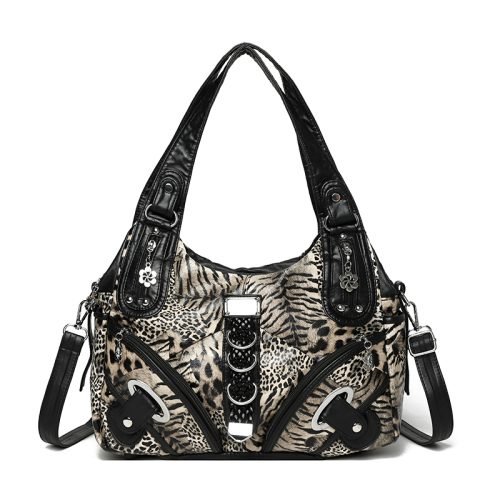
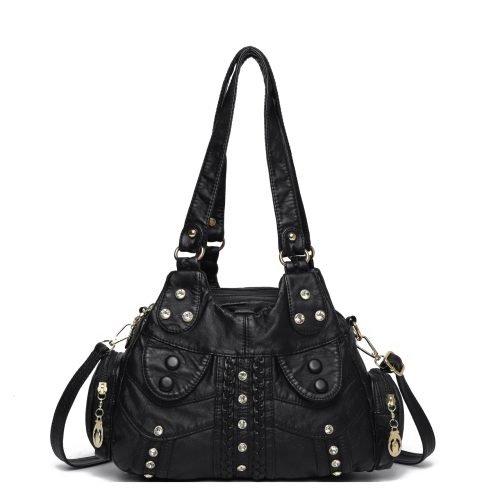
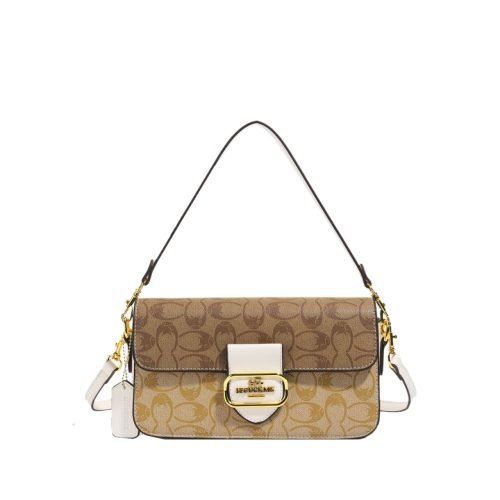
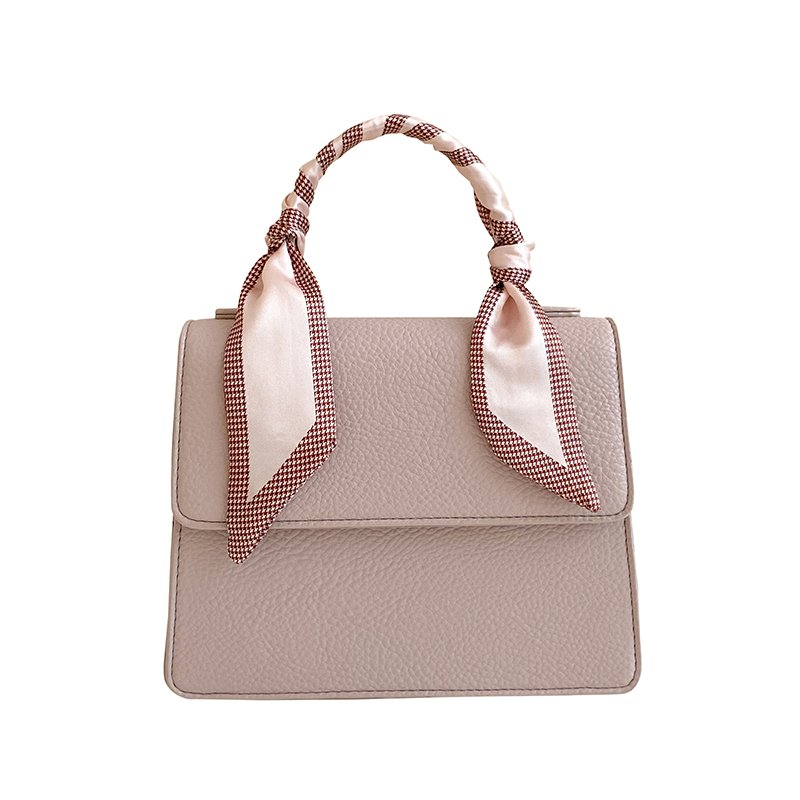
Confirm the body dimensions, strap drop or adjustable range, attachment points, opening width, closure, internal organization, and expected load. Strap construction and hardware should be reviewed together because the ring, buckle, hook, reinforcement, and seam position affect the finished connection.
Structured Handbags and Satchel Directions
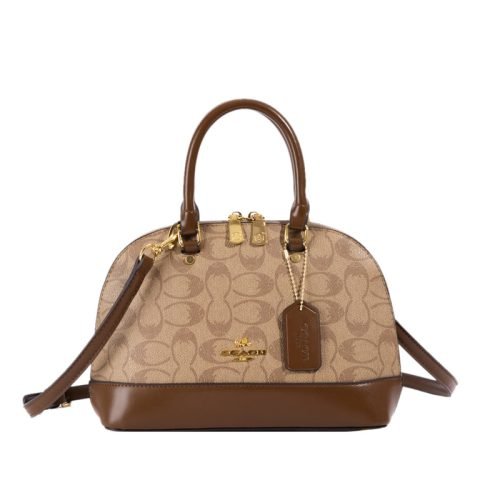
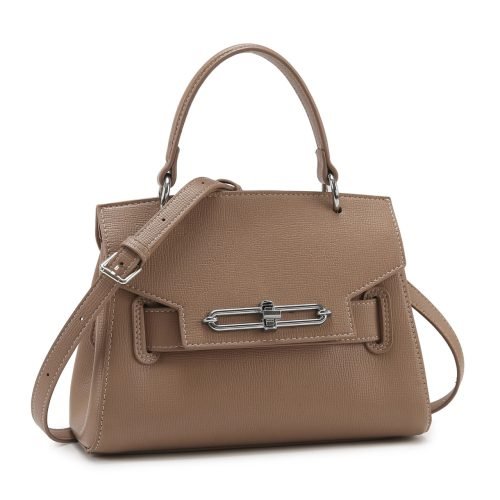
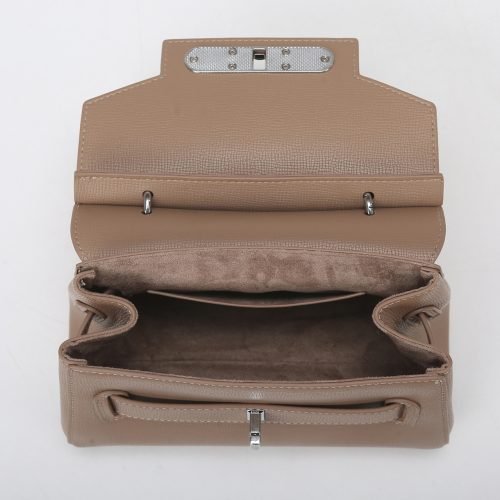
Define the intended silhouette, base shape, side-panel construction, reinforcement, top opening, handle attachment, lining, and edge finish. A structured appearance depends on the complete construction and approved sample, not only the surface material.
Soft Handbags and Flexible Shapes
Clarify the intended drape, folding behavior, opening, lining, internal pockets, strap construction, and packing method. A material that looks suitable as a flat swatch can behave differently after it is cut, sewn, turned, reinforced, and packed.
Small Handbags and Compact Styles
Small panels leave less room for pockets, labels, logo artwork, zipper openings, and seam allowances. The buyer should confirm what must fit inside the bag and which details can be adjusted if the first sample feels crowded or difficult to use.
Materials, Lining, and Edge Finishing
Material decisions should be made with the intended silhouette, construction, branding, and packing method in mind.
Main Body Material
Share the material family, surface direction, texture, color, thickness or hand-feel target, backing needs, and any approved swatch. If the project uses a leather-look synthetic material, clarify whether it is intended for the full body, selected panels, handles, trims, or labels. The PU Leather Bag Material Guide explains the material questions that should be reviewed separately.
Lining and Interior
Specify the lining material direction, color, pocket layout, zipper pockets, slip pockets, label position, seam finish, and any reinforcement around the opening or base. Interior details should be visible in the specification and checked in the sample rather than left to a reference image alone.
Reinforcement and Shape
Identify the panels that need more structure, the areas that should remain flexible, and the stress points around handles, straps, closures, corners, and the base. Reinforcement should support the approved shape without making the bag behave differently from the intended design.
Edge Finishing
Depending on the design, edges may be folded, bound, covered by lining, or finished through another reviewed method. The edge direction affects panel preparation, appearance, handling, sample review, and production consistency.
Hardware, Logo, and Brand Presentation
Handbag hardware and branding should be specified as functional parts of the product, not added as general decoration after the structure is decided.
Closures, Zippers, and Strap Hardware
List the required zipper, slider, puller, magnetic closure, snap, buckle, ring, hook, chain, foot, or other component where applicable. Useful details include size, shape, finish direction, attachment method, function, and whether a standard or project-specific component is being considered. The Custom Bag Hardware Components Guide provides a deeper component checklist.
Hardware Finish and Color Coordination
Confirm which components should share a finish and where controlled variation may be acceptable. Hardware should also be reviewed with the main material, lining, logo treatment, packaging, and sample lighting because the same finish can appear different next to different colors and surfaces.
Logo Placement and Method
Provide the logo artwork, size, placement, color, and preferred presentation if known. Embossing, debossing, foil, printing, woven labels, attached patches, metal plates, or custom pullers may require different surfaces, tooling, attachment methods, and sample checks. Use the Custom Bag Logo Methods Guide to compare these routes before final approval.
Labels and Packaging
Share label content, placement, hangtags, inserts, care information, barcode needs, protective packing, dust-bag direction, retail packing, and carton requirements where applicable. Artwork and data supplied by the buyer should be checked before they are treated as approved production files.
What to Send Before Requesting a Handbag Quote
A more complete brief helps separate confirmed requirements from options that still need development.
Product Direction
Send the handbag type, intended use, target customer, sales channel, destination market, reference photos, drawings, existing sample, or tech pack.
Dimensions and Construction
Include the body width, height, depth, opening, base, handle drop, strap length or range, pocket dimensions, closure, lining, reinforcement, and any important construction references.
Materials and Colors
Identify the main body, lining, reinforcement, trim, strap, handle, edge, and color direction. Share approved swatches or material references when available and distinguish must-have details from flexible alternatives.
Hardware and Branding
List zippers, pullers, closures, buckles, hooks, rings, chains, feet, metal logo parts, labels, patches, logo artwork, finish direction, placement, and any component that needs a specific appearance or function.
Quantity and Variants
Share the target quantity and the proposed split by style, color, size, or hardware finish. If the project may become a repeat program, explain which specifications must remain stable for future orders.
Packaging and Schedule
Describe the individual packing, protective materials, hangtags, inserts, barcode labels, dust bags, retail boxes, carton marks, destination, sample deadline, target delivery window, and approval contacts where applicable.
The Custom Bag Specification Sheet Guide can help organize these inputs if the brief is still incomplete.
Sample and Quality Review Before Bulk Production
A handbag sample should be reviewed against the buyer’s written requirements, not only against a front-view image.
Shape and Dimensions
Check the overall silhouette, width, height, depth, opening, base, handle drop, strap range, pocket size, and how the bag sits when empty and when prepared for its intended use.
Construction and Interior
Review panel alignment, seams, stitching, reinforcement, lining, pockets, opening, closure, corners, edge finishing, and the relationship between the outer structure and interior space.
Hardware Function
Open and close the zippers, snaps, magnetic closures, hooks, buckles, and other moving parts. Confirm the finish, placement, attachment, movement, and interaction with the strap, handle, lining, and main body.
Logo and Brand Details
Check logo size, position, color, depth or finish, label placement, metal parts, pullers, hangtags, packaging artwork, and any requirement that affects brand presentation.
Approval Record
Record approved dimensions, materials, colors, components, artwork, packaging, and permitted tolerances. Any change after approval should be identified before bulk production rather than assumed from conversation history.
For a broader sample-planning framework, review the Custom Bag Sample Development Guide.
When to Use the Wholesale or Cosmetic Bag Page
If the project is mainly a bulk or wholesale handbag order based on an available or repeatable product direction, Wholesale Handbags for Quantity-Led Sourcing is the better place to review available-style, branding, quantity, and repeat-order requirements.
If the project is a makeup bag, Cosmetic Bag, toiletry pouch, or small zip pouch, use the Custom Cosmetic Bag Manufacturing Guide instead. These products have different lining, opening, cleaning, compartment, and packaging questions.
FAQ
What should I send before requesting a custom handbag quote?
Send the product type, reference images or tech pack, dimensions, material direction, lining and interior details, hardware, logo requirements, target quantity, color or style split, packaging, destination market, sample needs, and target schedule. Mark which details are fixed and which are open to review.
Can Northline Bags review a handbag tech pack or reference sample?
Yes. A tech pack, specification sheet, approved reference sample, drawing, or clear product brief can establish the starting point. The review should identify missing dimensions, materials, construction, hardware, artwork, packaging, quantity, and approval requirements before sampling.
What if I do not have a complete handbag tech pack?
Start with the information you have, such as reference photos, intended use, approximate size, target customer, required features, logo direction, quantity, and budget range. These inputs can be organized into a clearer brief before quotation or sample development.
What is the difference between OEM, ODM, and private-label handbags?
OEM usually starts from buyer-defined specifications or an approved sample. ODM starts from a concept or reference that still needs development decisions. Private label often starts from a suitable product direction and focuses on buyer-specific branding, labels, hardware finish, packaging, or limited reviewed changes. Actual projects may combine elements of more than one route.
Which materials can be reviewed for a custom handbag project?
The material direction depends on the silhouette, structure, surface, lining, edge finish, logo method, target cost, quantity, and sample result. Buyers should provide an approved swatch or describe the intended appearance and hand feel. Genuine leather, sustainability, recycled-content, or performance requirements should not be assumed and need separate capability and documentation review.
Can logo plates, pullers, and other handbag hardware be customized?
Project-specific hardware may be reviewed when the design, dimensions, finish, attachment, quantity, cost, and sample requirements are clear. The buyer should distinguish must-have custom parts from standard components that may be acceptable if sourcing or setup is limited.
What affects handbag MOQ, quotation, and timing?
These depend on the structure, material availability, color, lining, hardware, custom tooling, logo method, packaging, number of variants, target quantity, sample revisions, approval speed, production setup, and shipping preparation. They should be reviewed from the actual specification rather than promised as a universal number.
What should be checked before approving a handbag sample?
Check the silhouette, dimensions, opening, handles and straps, seams, reinforcement, lining, pockets, edge finishing, hardware function, logo, labels, color, packaging, and all written approval requirements. Record the approved details before bulk production.
When should I use the wholesale handbag page?
Use the wholesale handbag page when the main requirement is bulk sourcing, an available or repeatable product direction, branding on an existing route, or repeat-order planning. Use this custom handbag page when the project requires deeper specification, structure, material, component, or sample development.
Start a Custom Handbag Project
Send Northline Bags your handbag type, reference photos or tech pack, dimensions, material and lining direction, hardware, logo artwork, target quantity, color or style split, packaging, sample needs, destination market, and target schedule. The project can then be reviewed for the appropriate OEM, ODM, or private-label route before quotation and sample planning.