Custom Bag Logo Methods Guide
The best logo method for a custom bag is the method that fits the actual material, finished bag structure, artwork, quantity, budget, lead time, and approved sample result. Screen printing, heat transfer, embroidery, woven labels, rubber labels, PU patches, debossing, embossing, metal plates, pullers, and attached branding can all be useful in the right project, but no method works best for every bag.
For B2B buyers, logo method selection is part of the broader custom bag manufacturing process. It affects quotation accuracy, material selection, MOQ, setup or tooling needs, sample review, production lead time, revision risk, and bulk production planning.
Before requesting a quote or logo sample, send Northline Bags your artwork, material direction, logo size, placement, target quantity, target cost, and sample deadline. If the logo result is important to product approval, it should be reviewed during custom bag sample development instead of relying only on a digital mockup.
Why Logo Method Depends on Material, Structure, and Quantity
A logo method is not only a branding preference. In bag production, it is a manufacturing decision that should be reviewed together with the material, product structure, artwork, quantity, cost target, lead time, and sample approval plan.
Material Surface and Texture
Material surface and texture affect how a logo appears. A smooth polyester panel, a rough canvas surface, a laminated non-woven tote, a coated Oxford fabric, and PU leather may all need different logo review. A method that looks clean on one surface may lose detail, shift color, distort, or require a different sample approach on another.
Logo placement should be checked against the finished bag type. Related planning guides include custom duffel logo placement, cosmetic bag logo and label placement, promotional bag logo planning, and canvas bag logo methods.
Coating or Backing
Coating or backing can change the result. PU coating, PVC backing, lamination, or other finishes may affect ink behavior, heat tolerance, adhesive response, sewing, folding, smell sensitivity, and water-related wording. If coating is part of the material brief, the logo method should be reviewed with the actual coated material before bulk production.
Heat Tolerance
Heat tolerance matters when heat transfer, digital transfer, foil stamping, embossing, debossing, or other heat/pressure processes are considered. Buyers should not assume that nylon, coated fabric, PU leather, laminated non-woven, or heat-sensitive surfaces will accept heat in the same way.
Stitch Stability
Stitch stability matters when embroidery, woven labels, rubber labels, PU patches, stitched patches, or sewn-on branding details are used. The fabric and backing need to support stitches without excessive puckering, distortion, pulling, or unwanted stitch holes.
Bag Structure and Placement
Bag structure affects placement. A logo placed on a flat tote panel is not the same as a logo placed near a zipper, pocket, gusset, curved backpack panel, padded area, folded edge, handle, or seam. Placement can affect appearance, production access, cost, sample approval, and bulk consistency. For broader production review standards, review the Custom Bag Quality Control Guide before confirming logo placement for bulk production.
Quantity, MOQ, Cost, and Lead Time
Quantity also matters. Logo method can affect MOQ, setup fee, tooling or mold requirements, unit cost, sample timing, supplier minimums, and production lead time. For quote preparation, it is better to review logo method, artwork, material, and quantity together instead of treating the logo as a last-minute decoration.
Logo placement should be reviewed with the actual bag structure, including panel shape, pocket position, seam route, zipper opening, padding, and material surface. Buyers can use the Custom Bag Function & Structure Design Guide before finalizing logo placement on a custom bag.
Logo application is one stage in the custom bag manufacturing process. Depending on the logo method and bag structure, branding may need to be reviewed before or during production planning.
Logo method is only one part of custom bag customization options. Buyers should also review structure, material, color, labels, patches, components, packaging, and private label needs before quotation or sampling.
Screen Printing for Custom Bags
When Screen Printing Is Commonly Reviewed
Screen printing is commonly reviewed for simple artwork, bold logos, larger branding areas, and projects where the buyer wants clear logo visibility on the finished bag. It is often considered for canvas, cotton, non-woven polypropylene, and selected polyester or coated surfaces.
What to Confirm
Screen printing should still be checked against the actual material. Fabric texture, coating, ink behavior, material color, logo size, color count, line thickness, and placement can all affect the result. A clean digital logo file does not guarantee the same edge clarity on rough canvas, laminated non-woven, coated polyester, or a curved bag panel.
Quote and Sample Factors
For quotation, buyers should confirm the logo size, number of colors, print position, material color, and expected quantity. More colors, larger print areas, difficult surfaces, or unusual placement can affect setup, unit cost, sample review, and production planning.
Safety Boundary
Screen printing can be a practical option for many custom bags, but cost, durability direction, and suitability still depend on the project. The sample should confirm whether it fits the material surface, artwork detail, cost target, lead time, and bulk production plan.
Heat Transfer and Digital Transfer for Custom Bags
When Transfers Are Commonly Reviewed
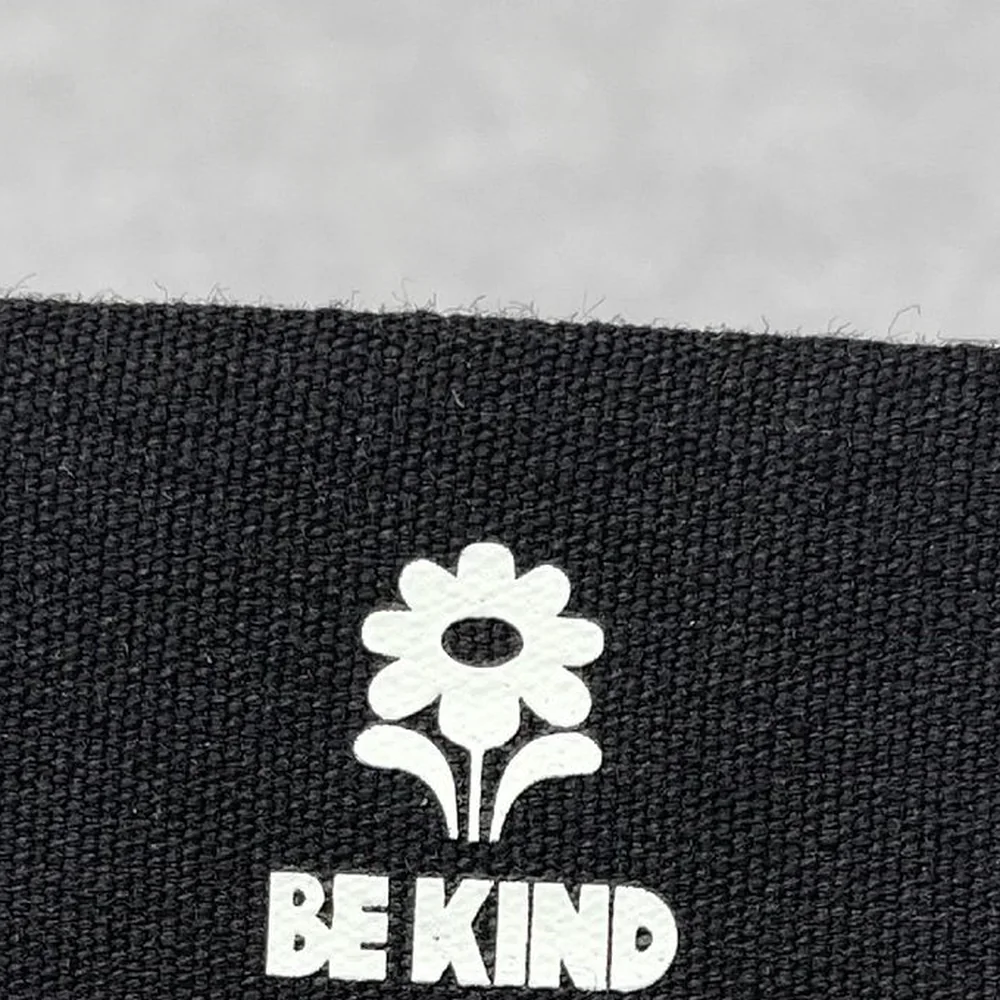
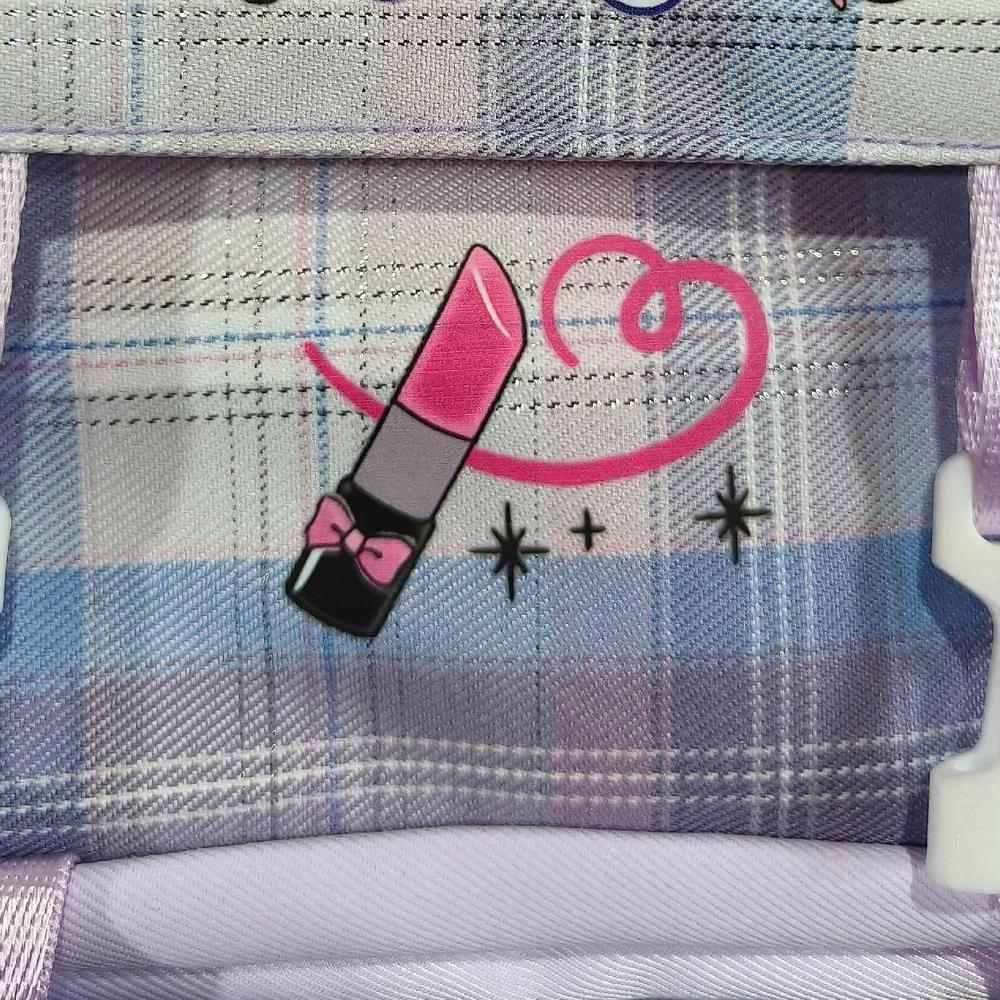
Heat transfer and digital transfer are commonly reviewed when buyers need multi-color artwork, gradients, smaller runs, sharper image detail, or a different visual result than simple screen printing. They may be considered for selected polyester, RPET, cotton-blend, and coated surfaces, depending on the actual material and process.
Heat and Adhesive Behavior
The key review points are heat tolerance, adhesive behavior, coating response, fabric stability, surface texture, folding, and expected use. A transfer that works on one polyester surface may behave differently on coated fabric, nylon, laminated non-woven, PU leather, or a padded panel.
Material Caution
Nylon, coated fabrics, PU surfaces, laminated materials, and other heat-sensitive materials need extra caution. Heat, pressure, and adhesive can affect surface finish, shape, color, coating, and logo adhesion. Buyers should review the logo on the actual material before bulk production.
Peeling, Cracking, Rubbing, and Use Conditions
Heat transfer suitability depends on the material and application conditions. Peel, cracking, rubbing, fading, and distortion risks depend on the material, transfer type, application process, use conditions, storage, folding, and testing requirements. If the buyer’s sales channel requires performance wording, the wording should be reviewed before sampling.
Embroidery for Custom Bags
When Embroidery Is Commonly Reviewed
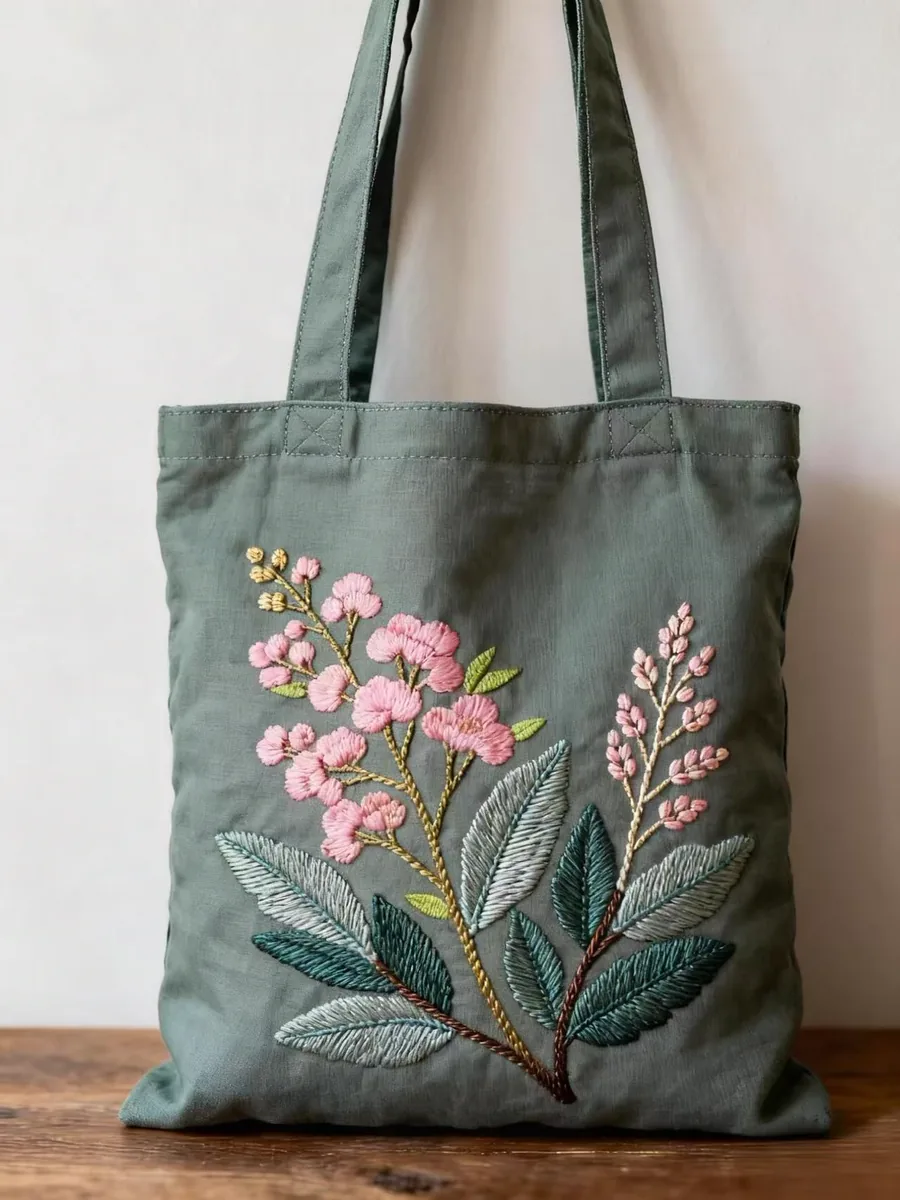
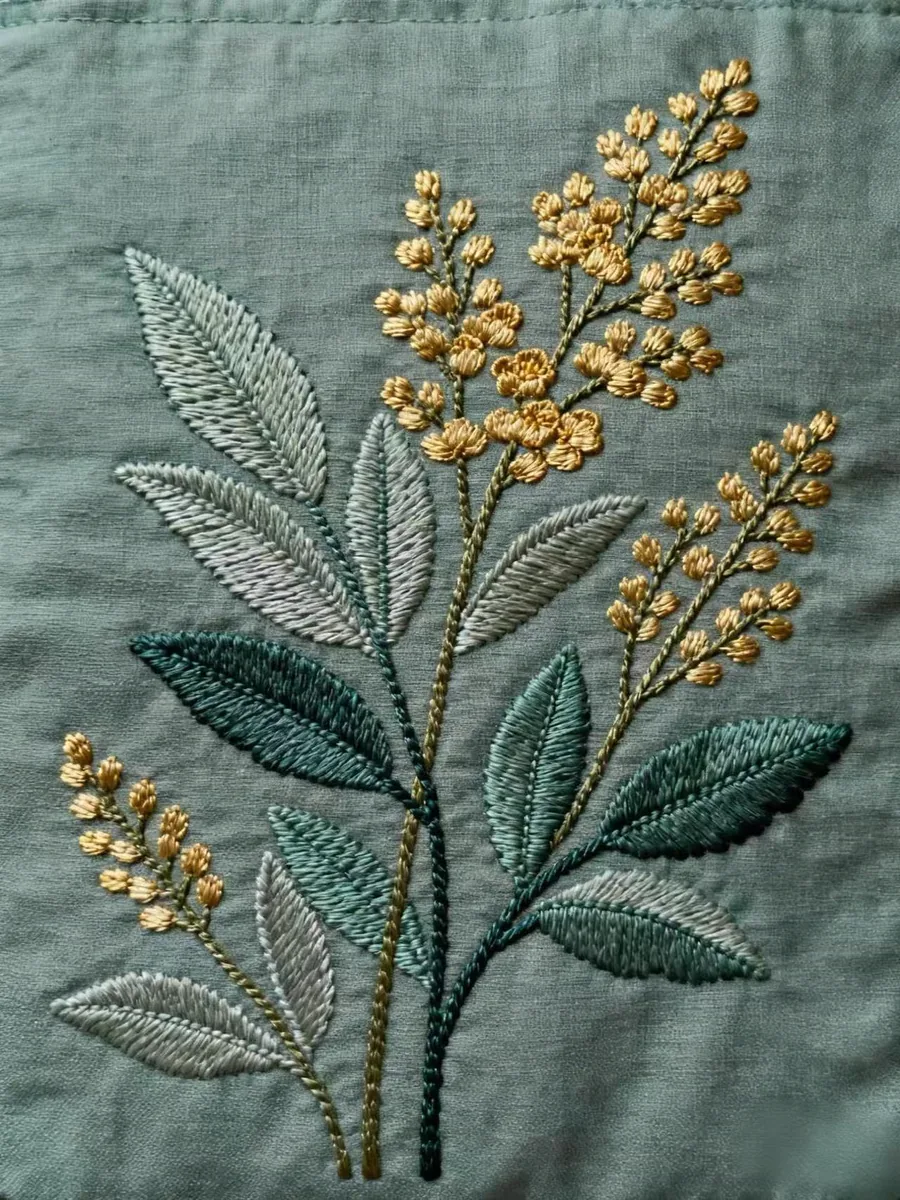
Embroidery is commonly reviewed for canvas, cotton, polyester, selected nylon, backpacks, travel bags, structured products, and selected pouches where the fabric can support stitching. It can create a more dimensional brand detail, but it should be checked as a production choice, not assumed as a universal upgrade.
Stitch Density and Backing
Embroidery review should include stitch density, backing or stabilizer, thread colors, logo size, fabric stability, puckering, distortion, and placement.
Artwork Simplification
Fine lines, small text, gradients, and complex logo details may need to be simplified for embroidery before quotation, sampling, and bulk production planning.
Water-Related Wording
Embroidery can affect water-related wording because stitch holes may matter on coated, water-resistant, or waterproof-oriented bags. If the buyer plans to use water-resistant or waterproof wording, the logo method should be reviewed with the material, coating, seams, zippers, backing, and testing path. The Water-Resistant vs Waterproof Bags guide gives broader wording and construction context.
Placement Limits
Embroidery can create a more dimensional brand detail, but it is not suitable for every material or placement. Lightweight panels, thin linings, coated materials, curved panels, and tightly packed areas may require a different logo method or a revised placement.
Woven Labels, Rubber Labels, PU Patches, and Sewn Patches
When Labels or Patches Are Useful
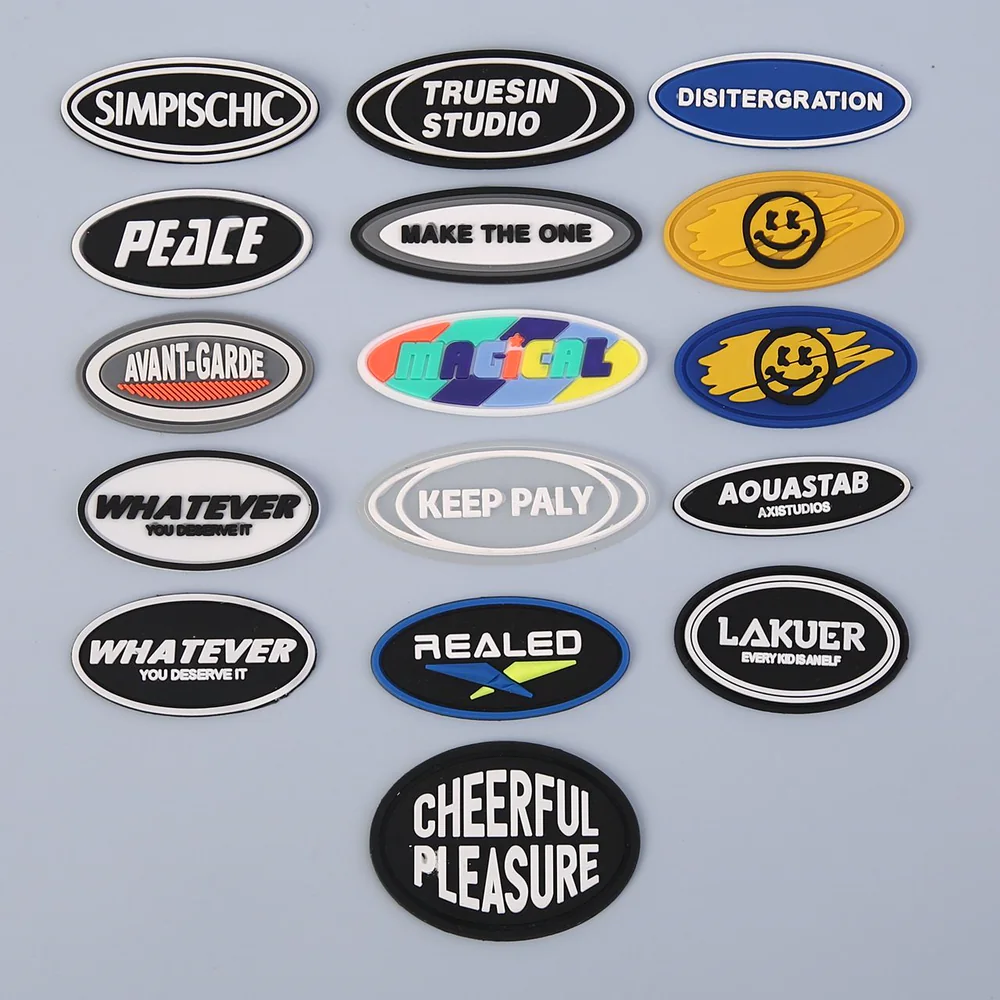
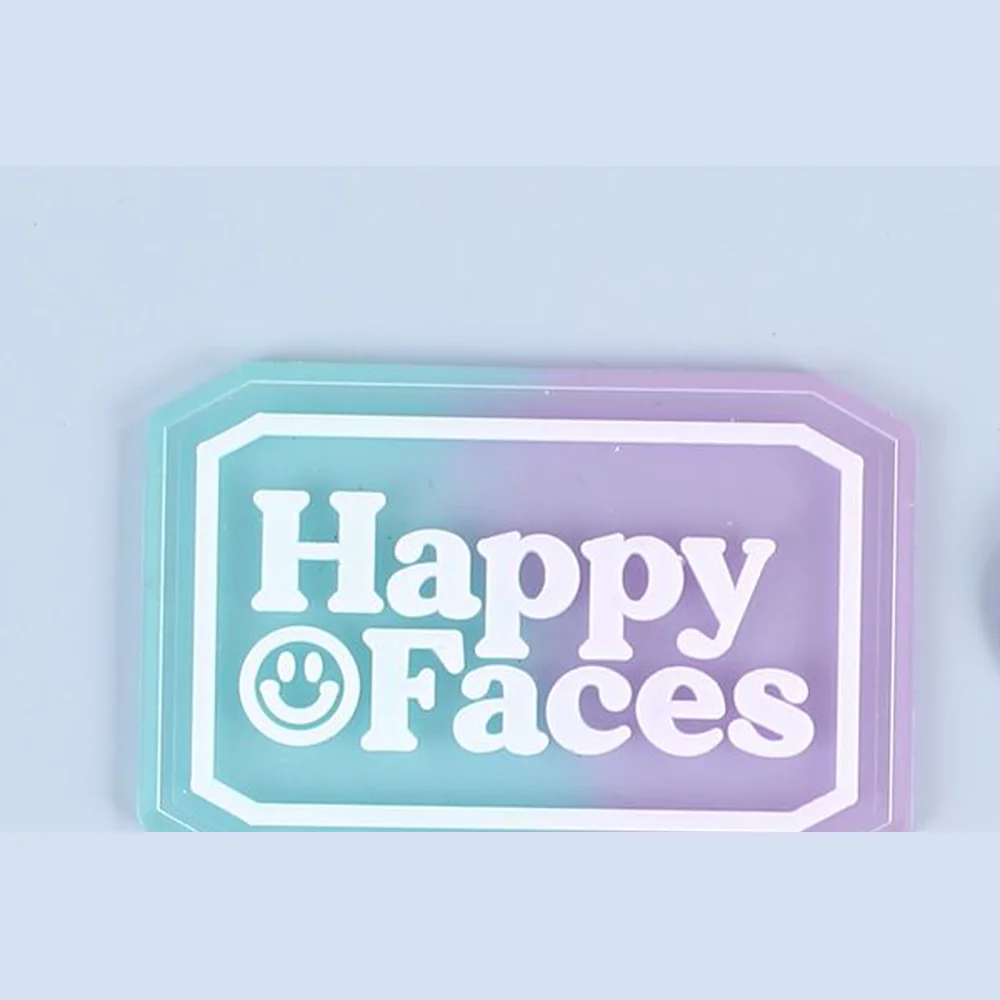
Woven labels, rubber labels, PU patches, and sewn patches can be useful when direct printing is not ideal or when the buyer wants a cleaner retail detail. These options are often reviewed for canvas totes, polyester bags, backpacks, travel bags, pouches, cosmetic bags, and structured retail products.
Attachment and Edge Finish
The label or patch should be reviewed as part of the bag construction. Buyers should confirm label or patch material, size, edge finish, stitching, attachment method, backing, placement, color, cost, lead time, MOQ, and bulk consistency.
PU Patch and Leather-Look Details
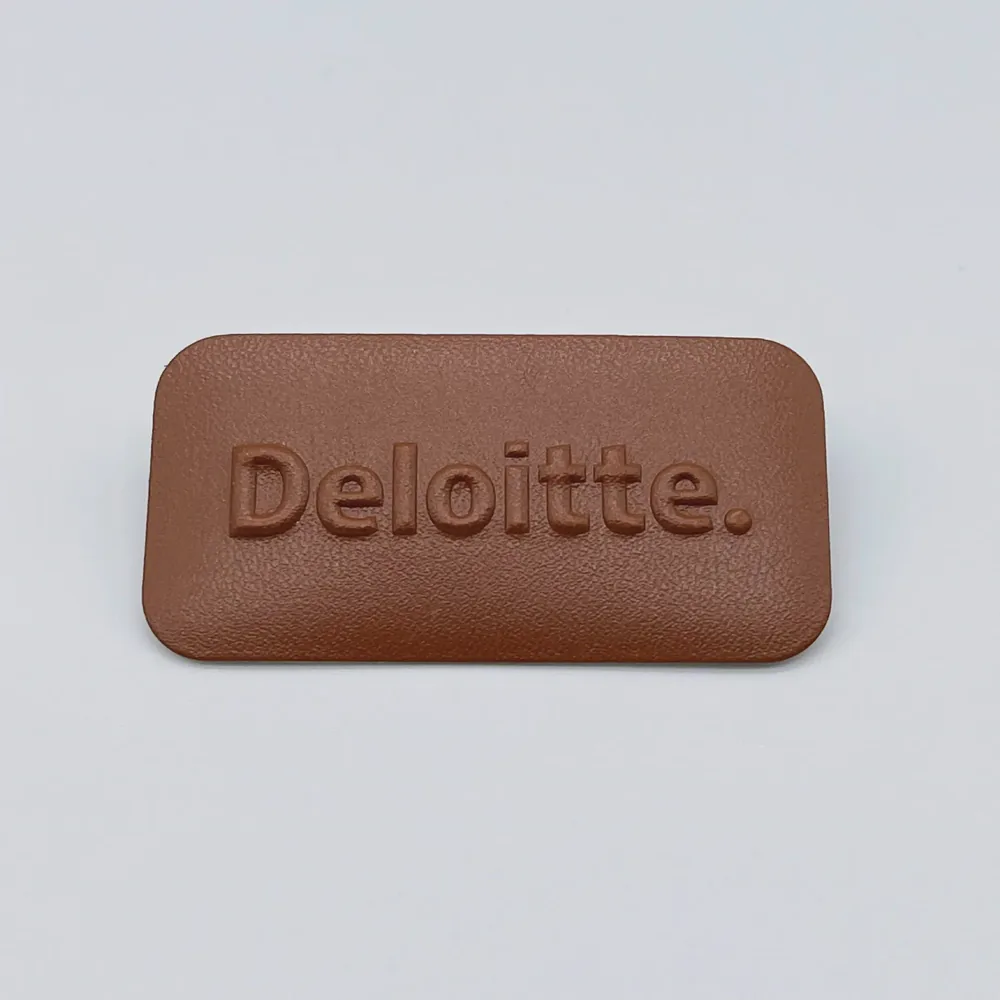
PU patches and leather-look details should be reviewed with PU leather or leather-look material considerations. Surface texture, backing, thickness, embossing or debossing response, color transfer, peeling risk, and sewing behavior can all affect the finished result. The PU Leather Bag Material Guide explains those material considerations in more detail.
Rubber Labels
Rubber labels can add structure, texture, and a more dimensional branding detail, but they need attachment and placement review. A rubber label near a curved pocket, zipper, folded edge, or padded area may affect sewing access, comfort, cost, and sample approval.
Sample Confirmation
Labels and patches should not be treated as methods that work on every bag. They can be strong branding options, but the finished sample should confirm attachment, appearance, sewing quality, placement, and bulk production practicality.
Debossing, Embossing, Metal Plates, Pullers, and Attached Branding
Debossing and Embossing
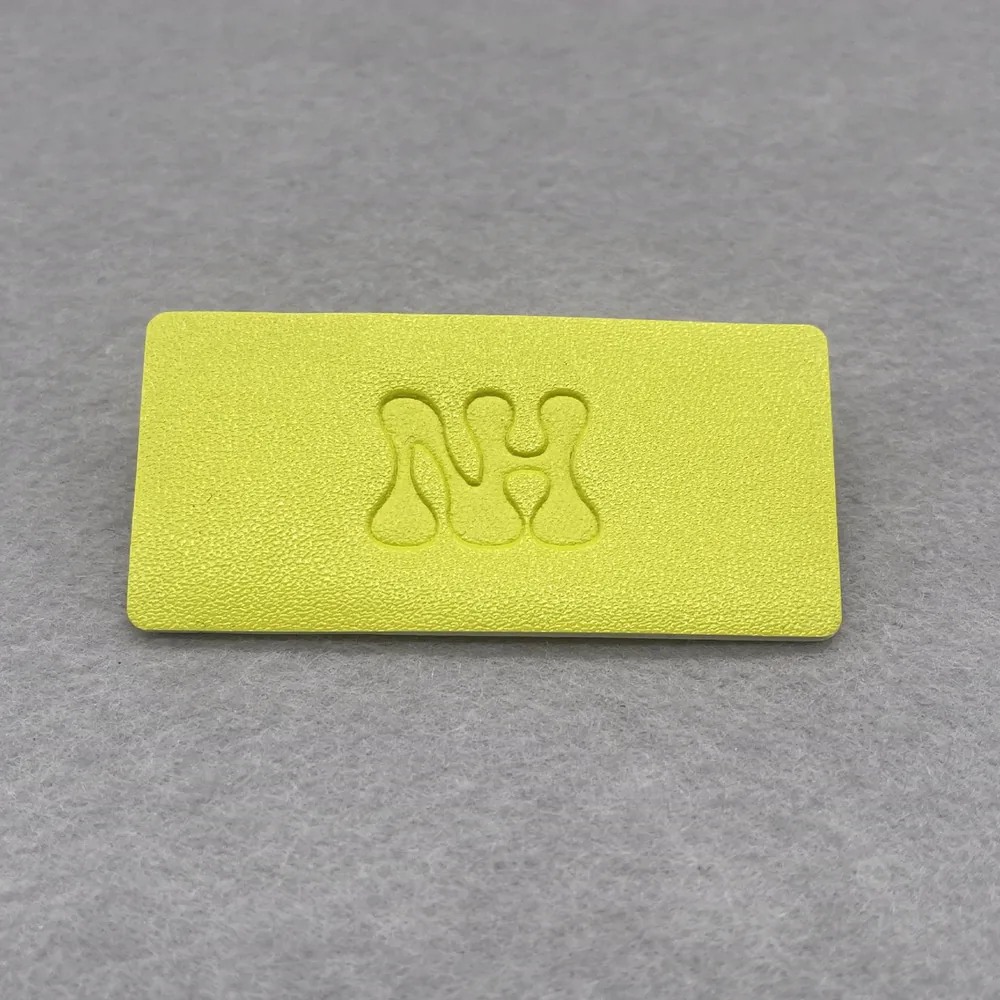
Debossing and embossing are often reviewed for PU leather, leather-look materials, PU patches, and selected synthetic surfaces. These methods depend on surface texture, backing, thickness, heat or pressure response, artwork detail, logo depth, placement, and sample result.
Metal Plates and Pullers
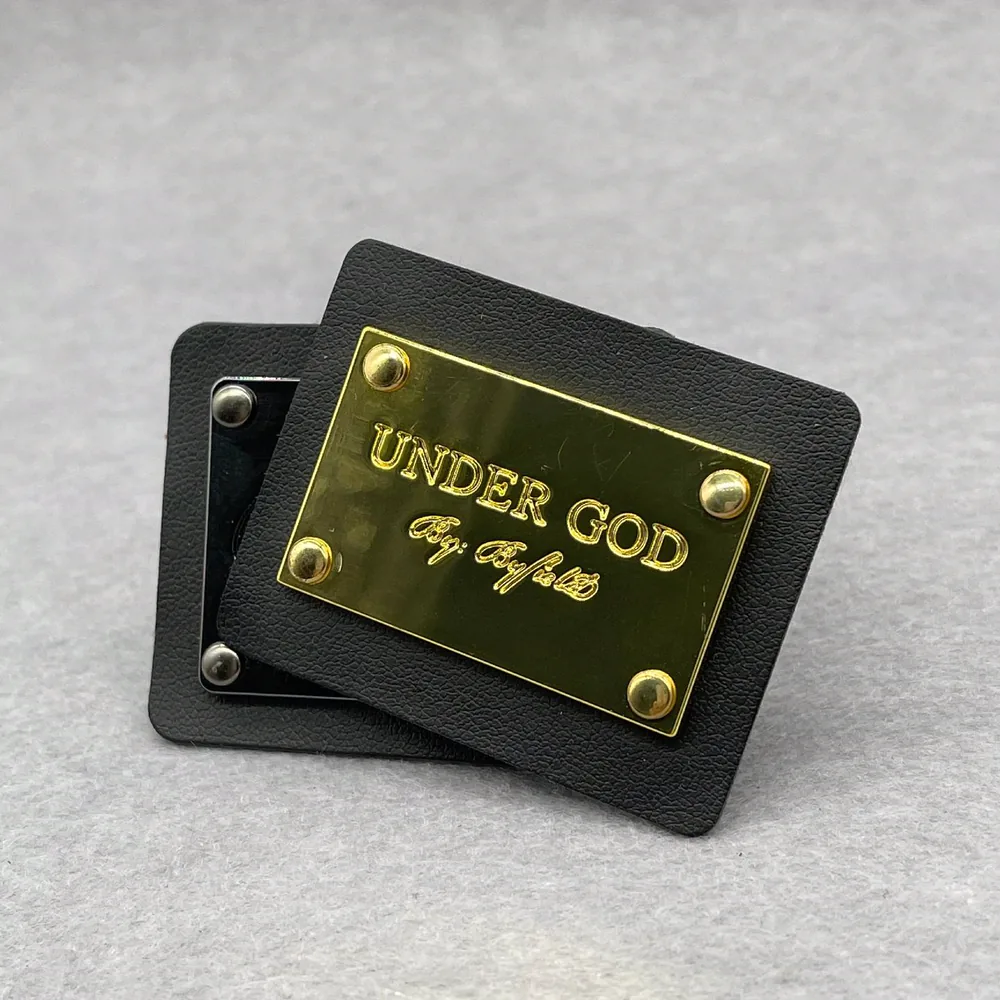
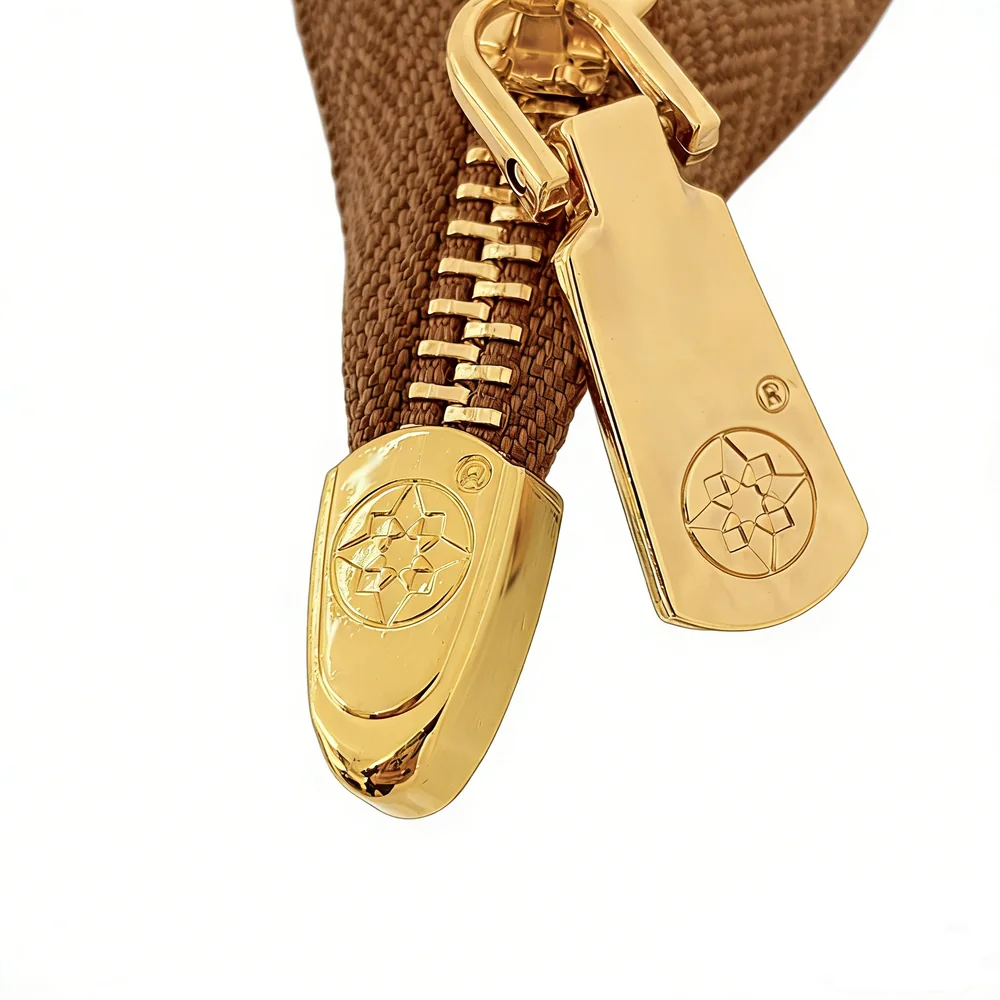
Metal plates, zipper pullers, hangtags, and hardware branding details may fit structured retail bags, handbags, cosmetic bags, travel bags, and selected premium-feel projects.
Hardware Attachment
Hardware branding should be reviewed with attachment method, backing plates, sewing, surface protection, finish expectations, and bulk consistency.
Tooling, Cost, and Lead Time
Custom metal plates, molded rubber labels, PU patches, special pullers, or branded hardware may require tooling, supplier minimums, artwork confirmation, color or finish approval, and extra sample review.
Sample Result
Debossing, embossing, metal plates, pullers, and attached branding should not be assumed to work on every PU leather, synthetic surface, or structured bag. Review the actual material and finished sample before approving bulk production.
Some branding choices are also component decisions. Branded zipper pullers, metal plates, patches, labels, and attached trims may need review with the Custom Bag Hardware and Components Guide when sourcing, tooling, finish, or sample approval affects the project.
Logo Methods by Bag Material
Material choice and logo method should be reviewed together. If the material direction is still open, start with the Bag Materials hub or the Bag Material Selection Guide before deciding the logo method.
| Material direction | Logo methods commonly reviewed | What to confirm before sampling |
|---|---|---|
| Canvas / cotton | Screen printing, embroidery, woven labels, patches, heat transfer in selected cases | Texture, fabric weight, shrinkage or washing if relevant, ink clarity, stitch stability, color, placement, MOQ, and sample result |
| Non-woven polypropylene | Screen printing, heat transfer in selected cases, laminated-surface printing, labels, and patches | GSM, lamination, heat response, logo size, color count, handle placement, gusset structure, packing, and quantity |
| Polyester / RPET | Screen printing, heat transfer, embroidery, woven labels, rubber labels, and PU patches | Coating, texture, heat tolerance, backing, padding, color, artwork detail, logo placement, MOQ, and documentation if recycled-content requirements matter |
| Nylon | Screen printing, heat transfer in selected cases, embroidery in selected cases, labels, and patches | Heat sensitivity, coating, surface slipperiness, stitch stability, water-related wording, panel shape, and sample result |
| Oxford / coated fabrics | Screen printing, heat transfer, embroidery, woven labels, rubber labels, and PU patches | PU/PVC/coating behavior, heat tolerance, stitching, zippers, curved panels, water-related wording, and sample approval. For coating questions, review PU Coating vs PVC Backing. |
| PU leather / leather-look materials | Debossing, embossing, foil stamping, screen or UV printing in selected cases, PU patches, metal logos | Surface texture, backing, thickness, heat or pressure response, peeling or cracking risk, color transfer, edge finishing, and finished sample result |
| Structured bags | Labels, patches, embroidery, metal plates, pullers, selected printing | Panel access, padding, seams, pockets, zipper location, hardware attachment, lining, cost, lead time, and bulk consistency |
This table is a starting point. The final logo method should be confirmed with the actual material, artwork, product structure, quantity, and sample approval path. The final logo method should be confirmed with the actual material, artwork, product structure, quantity, and sample approval path.
Logo Placement, Artwork Files, Color Count, and Size
Artwork Files
Logo artwork should be prepared before quotation whenever possible. Vector files such as AI, EPS, PDF, or SVG are usually preferred because they help the manufacturer review scale, line work, color separation, and production method. High-resolution image files may help for certain digital or transfer processes, but they may not replace vector artwork when clean edges or color separation are needed.
Logo Size and Placement
Logo size and placement should be reviewed on the actual bag panel. A 10 cm logo on a flat tote front may be practical, while the same size on a curved backpack pocket, padded panel, zipper area, gusset, or folded edge may need revision.
Pantone and Brand Color Targets
Pantone or brand color targets are useful, but exact color matching should not be guaranteed without sample or lab review. Material color, surface texture, coating, ink behavior, thread color, transfer film, patch material, lighting, and production process can all affect the final appearance.
Color Count and Artwork Detail
Color count affects production review. Screen printing, embroidery, patches, woven labels, rubber labels, and metal details may all handle colors differently. More colors, gradients, halftones, fine lines, outlines, and small text can affect setup, cost, lead time, sample approval, and whether the artwork needs simplification.
Background Material Color
Background material color also matters. A light logo on dark fabric, a dark logo on natural canvas, a tone-on-tone embroidered logo, and a debossed logo on PU leather all create different approval questions. Buyers should send reference photos or mockups, but the final review should happen on the actual material and sample.
Placement Constraints
Placement constraints should be checked early. Seams, pockets, zippers, handles, folds, curved panels, padding, gussets, and webbing can limit where a logo can be applied cleanly. If the logo is placed in a difficult area, it may affect sample revision, cost, lead time, or bulk consistency.
Logo Sample Testing and Approval
Actual Material Review
Logo sample testing should use the actual material where possible, and preferably the finished bag sample when placement, sewing, panels, padding, zippers, pockets, or structure affect the result.
Finished Sample Review
During logo review, buyers should check color, edge clarity, placement, scale, ink behavior, transfer adhesion, stitch quality, puckering, distortion, patch attachment, hardware position, and whether the method is practical for bulk production.
What Buyers Should Check
The sample should also be checked against the written artwork file, material specification, logo size, Pantone or color target, placement notes, and final product structure. Approval by photo alone may miss hand feel, texture, thread density, patch thickness, hardware attachment, or folding behavior.
Approval Records
Logo approval helps reduce risk, but it does not replace written specifications, artwork confirmation, material approval, production control, or inspection where required. The approved logo sample should become part of the production reference, especially when the logo affects labeling requirements, documentation needs, retail presentation, or repeat-order consistency.
Link to Sample Development Workflow
For broader sample workflow, review the Custom Bag Sample Development Guide.
Logo Method Cost, MOQ, Lead Time, and Revision Factors
Logo choices can affect MOQ, setup cost, tooling, supplier minimums, sample approval, and lead time. For the broader cost and MOQ framework, review the Custom Bag MOQ and Cost Factors Guide.
What affects logo cost
Logo cost can depend on the method, color count, artwork size, setup, tooling or mold, patch or label quantity, material, placement, and order quantity. A simple one-color print, a multi-color transfer, an embroidered logo, a custom rubber label, and a metal plate are different production questions.
What affects MOQ
MOQ can be affected by the logo process, label or patch supplier minimums, hardware supplier minimums, color count, mold or tooling, material availability, and whether the order uses stock or custom materials. Buyers should avoid assuming that all logo methods have the same minimum quantity.
What affects lead time
Lead time can be affected by artwork preparation, sample testing, color approval, custom labels, rubber patches, PU patches, metal plates, pullers, mold or tooling, revision rounds, and supplier sourcing. If the buyer has a launch deadline, logo method should be confirmed early rather than after the bag structure is already approved. For broader timeline planning across sample approval, materials, logo setup, packaging, quantity, and shipping preparation, review the Custom Bag Production Lead Time Guide.
What increases revision risk
Revision risk increases when artwork is complex, colors are strict, material is coated, placement is difficult, the logo is near seams or zippers, or the buyer changes material after the first sample. A logo method that is practical at one stage may need to be rechecked if material, color, bag size, structure, or placement changes.
Why exact fees or timing should not be promised before review
Exact logo fees, setup charges, MOQ, sample time, lead time, and revision count should be confirmed after the actual project is reviewed. Buyers should send enough information for a practical review before quotation or logo sampling.
What Buyers Should Send Before Logo Sampling
To review logo method feasibility, send a clear production brief instead of only a logo image.
Product and Quantity Details
Send product type, bag size, target quantity, possible reorder expectation, sales channel, and intended use.
Material and Logo Method Direction
Send material direction or say if you are open to recommendation. Include the preferred logo method if known.
Artwork, Color, Size, and Placement
Send logo artwork file, logo size and placement, logo colors or Pantone target, reference photos, and mockup if available.
Cost, Deadline, Packaging, and Claims
Send budget or target cost range, sample deadline, bulk delivery target, packaging and claim requirements, and any testing, documentation, or buyer approval requirements where applicable. If some details are undecided, say so. Open to recommendation is more useful than hiding uncertainty.
For buyers planning logo customization on an existing or standard bag direction, the OEM vs ODM Custom Bag Manufacturing Guide can help clarify whether the project is closer to OEM, ODM, private label, or light customization before logo method review.
For private label projects, logo method should be reviewed together with the bag style, material surface, label or patch details, packaging, quantity, and sample approval path. Review the Private Label Bag Manufacturing Guide before preparing branded bag details.
Custom Bag Logo Method Checklist
Use this checklist before asking Northline Bags to quote or sample a custom bag logo.
Material Surface and Coating
Confirm the fabric or material direction, surface texture, coating, backing, lamination, and color. Logo behavior can change when the material changes.
Heat Tolerance
If heat transfer, digital transfer, foil stamping, debossing, embossing, or heat/pressure work is considered, confirm whether the material and coating can tolerate the process.
Stitch Stability
If embroidery, woven labels, rubber labels, PU patches, or sewn patches are considered, confirm fabric stability, backing, stitch density, and whether stitch holes affect the product wording or documentation needs.
Logo Size and Placement
Confirm the actual logo size and panel position. Check seams, zippers, pockets, handles, gussets, folds, padding, and curved areas before approving placement.
Artwork Complexity
Review fine lines, small text, gradients, halftones, outlines, and logo detail. Some methods may need simplified artwork.
Color Count and Color Target
Confirm the number of colors and any Pantone or brand color target. Treat exact color matching as a sample approval issue, not an automatic promise.
Quantity and MOQ
Share target quantity and reorder expectations. Logo method, custom labels, patches, metal plates, and tooling can affect MOQ.
Cost and Setup / Tooling
Clarify whether the logo requires setup, screens, molds, tooling, label production, patch production, metal hardware, or special sourcing.
Lead Time and Revision Risk
Share sample deadline and bulk delivery target. Artwork approval, color review, custom patches, labels, hardware, tooling, and revisions can affect timing.
Sample Approval and Written Specs
Review the logo on the actual material and finished sample where possible. Record approved artwork, size, placement, material, method, color, and any remaining changes before bulk production.
FAQ
There is no single best method. The right choice depends on material, coating, structure, artwork, quantity, budget, lead time, and the approved sample result.
No. Material texture, coating, heat tolerance, color, structure, and placement can limit which logo methods are practical.
Screen printing may be useful for simple logos, bold artwork, and larger branding areas, especially on canvas, cotton, non-woven, and selected polyester surfaces. The material and sample should still be checked.
Heat transfer may be useful for multi-color artwork, gradients, or selected synthetic materials, but heat tolerance, adhesive behavior, coating, folding, and sample result should be reviewed.
Some nylon bags may be reviewed for heat transfer, but it should not be assumed. Heat sensitivity, coating, texture, and expected use need sample confirmation.
Canvas bags may be embroidered when the fabric weight and backing can support the stitch density. Buyers should check puckering, distortion, logo detail, and placement before bulk production.
Debossing or embossing may be considered on selected PU leather or leather-look materials, but the result depends on surface texture, backing, thickness, heat or pressure response, and sample testing.
They can be useful when direct printing is not ideal or when the buyer wants a cleaner retail detail. Attachment method, placement, cost, lead time, and bulk consistency should be reviewed.
Screen printing is often reviewed for simple non-woven tote projects. Heat transfer, laminated-surface printing, labels, or patches may also be considered depending on GSM, lamination, artwork, color count, and sample result.
No logo method should be described as peel-proof or fade-proof without testing and order-specific support. Material, process, use, storage, rubbing, washing, and sample result all matter.
Pantone targets are useful for review, but exact matching should not be guaranteed without sample or lab approval. Material color, coating, ink, thread, transfer film, and lighting can affect the result.
Vector files such as AI, EPS, PDF, or SVG are usually preferred. High-resolution image files may help for some digital or transfer methods, but vector artwork is better for clean production review.
Yes, it can. Color count, setup, tooling, custom labels, patches, metal plates, supplier minimums, material, and order quantity can all affect MOQ and cost.
Yes, when logo appearance matters. The logo should be checked on the actual material and preferably the finished sample before bulk approval.
Send product type, bag size, material direction, artwork file, logo size, placement, colors, target quantity, target cost, sample deadline, and any packaging, documentation, testing, or approval requirements.
Need Help Choosing a Logo Method for Custom Bags?
Send Northline Bags your bag type, material direction, artwork, logo size, placement, target quantity, target cost, sample deadline, and packaging, documentation, or sales-channel requirements. The team can review logo method feasibility before quotation, sampling, and bulk production planning.