Custom Bag Production Lead Time Guide
Custom bag production lead time depends on the actual product specification and approval path. Sample development, material availability, logo method, artwork approval, size, structure, components, packaging, order quantity, MOQ, production schedule, revision rounds, documentation needs, inspection, shipping preparation, and delivery target can all affect the final timeline.
A realistic timeline starts with clear specifications and early approval planning. In a custom bag manufacturing project, sample timing, bulk production timing, and shipping preparation should be discussed as separate parts of the plan. Mixing them together can create unrealistic expectations before the material, logo, quantity, packaging, and destination are confirmed.
Before asking for a timeline, send Northline Bags your launch date, sample deadline, bulk delivery target, material direction, logo artwork, quantity, packaging needs, shipping destination, and any documentation or sales-channel requirements.
What Production Lead Time Means in Custom Bag Manufacturing
Production lead time is the time needed to move an approved project through material preparation, production setup, sewing or assembly, logo application, quality review, packing, and shipment readiness.
Production Lead Time Definition
Production lead time covers the confirmed custom bag order after the project is ready for scheduling. It includes material preparation, production setup, sewing or assembly, logo application, quality review, packing, and shipment readiness.
Separate From Sample Lead Time
Sample lead time covers development, review, and revision before bulk production is approved. It should not be mixed with the bulk production schedule.
Separate From Shipping Transit Time
Shipping transit time depends on destination, shipping method, carton details, customs, and logistics handling. It should be reviewed separately from production lead time.
When Production Timing Can Be Scheduled
Production timing can be scheduled only after the required project details, approvals, order confirmation, and production requirements are clear enough to plan.
Sample Lead Time vs Bulk Production Lead Time
Sample development and bulk production are related, but they are not the same timeline. For the deeper sampling workflow, review the Custom Bag Sample Development Guide.
Shipping preparation is another separate step. It can include packing, carton marks, labels, inspection coordination, freight booking, and dispatch readiness, while final delivery timing depends on the confirmed freight path and destination.
| Timeline stage | What it covers | What can affect timing | Buyer should prepare |
|---|---|---|---|
| Sample development | First physical review of material, structure, logo, size, and packaging direction | Material sourcing, logo setup, sample workmanship, artwork changes, documentation or sales-channel needs | Reference photos, size, material direction, logo artwork, target use, packaging needs, sample deadline |
| Sample revision | Corrections before approval | Material changes, logo changes, structure changes, component changes, packaging changes, buyer feedback speed | Clear feedback, approved changes, final artwork, revised specifications, approval contact |
| Bulk production | Approved specification produced at the confirmed order quantity | Material availability, MOQ, production schedule, quantity, structure, logo method, labor, quality review, packaging | Approved sample direction, confirmed order quantity, order confirmation path, packaging details, bulk delivery target |
| Shipping preparation | Packing, carton marking, inspection coordination, booking, and dispatch readiness | Carton size, packing method, labels, barcodes, inspection requirements, destination, freight method | Carton requirements, shipping marks, destination, logistics contact, inspection needs |
The useful planning question is which details must be confirmed before the sample, before bulk production, and before shipping preparation.
Lead time should be reviewed as part of the full custom bag production workflow, from inquiry review and sample approval to material preparation, cutting, sewing, quality review, packaging, and shipment preparation.
Main Factors That Affect Custom Bag Lead Time
Custom bag lead time changes because custom bag production is built from several connected decisions. If one decision is still unclear, the schedule may stay broad until the project is reviewed.
Material Availability
Stock fabric may be easier to review than custom fabric, but availability still needs confirmation before the project is scheduled.
Sample Approval
A clear sample brief can reduce unnecessary revision, while unclear specifications may create extra review around material, size, structure, logo method, components, or packaging.
Logo Method and Artwork Approval
Screen printing, heat transfer, embroidery, labels, rubber patches, PU patches, metal plates, molded pullers, and branded hardware all have different setup and approval needs.
Size and Structure
A simple tote is not the same production question as a padded backpack, travel bag, cooler bag, cosmetic bag, or structured retail product.
Components and Hardware
Zippers, webbing, buckles, pullers, handles, shoulder straps, lining, padding, reinforcement, and metal parts should be confirmed early if they affect the finished product.
Packaging and Labeling
Retail packing, hangtags, barcodes, inserts, carton marks, shipping labels, or sales-channel presentation can affect production scheduling.
Quantity, MOQ, Production Schedule, and Revisions
Quantity, MOQ, production schedule, revision rounds, documentation needs, approved wording, inspection preparation, and shipping preparation all need review before timeline direction is realistic.
Custom bag structure can affect lead time when pattern work, pockets, lining, padding, reinforcement, components, or sample revisions are involved. Review the Custom Bag Function & Structure Design Guide before planning sampling and production timelines.
Production lead time can change when custom bag options require material sourcing, custom color, special hardware, logo setup, packaging review, sample revisions, or buyer approval.
How Material Availability Affects Lead Time
Material availability can affect both sample development and bulk production. Stock materials may support faster review than custom materials, but availability still needs confirmation because fabric color, weight, coating, backing, lining, and supplier source can change.
If the material direction is still open, start with the Bag Materials hub or the Bag Material Selection Guide before locking a sample brief.
Stock Material vs Custom Material
Stock materials may support faster review than custom materials, but actual availability, color, weight, coating, lining, and supplier source still need confirmation.
Custom Colors, Coatings, and Certified Materials
Custom colors, custom fabrics, special coatings, certified materials, recycled-content documentation, waterproof-oriented materials, and other documentation-sensitive directions may add review steps.
Supplier Sourcing and Documentation
Supplier sourcing, swatch review, documentation checks, logo testing, or revised sample planning may be needed before the buyer can approve the production path.
Material Changes After Sampling
If the buyer changes material after sampling, the logo result, structure, sample approval, production schedule, and approved wording and documentation needs may need to be reviewed again.
Timeline, Quantity, Cost, and Production Fit
Material decisions should be reviewed early with product type, logo method, MOQ, cost, packaging, and launch schedule so the sourcing path fits the project.
How Logo Method and Artwork Approval Affect Lead Time
Logo method affects setup, approval, sampling, and production scheduling. The same artwork can behave differently across materials, coatings, lining panels, curved pockets, or padded structures.
For deeper method-by-method planning, review the Custom Bag Logo Methods Guide.
Artwork Approval
Logo artwork, size, placement, color count, and approval contact should be prepared early because late artwork decisions can delay setup, sampling, and production release.
Screen Printing
Screen printing may require screen and color-count review. Logo size, artwork detail, ink color, fabric color, surface texture, and placement can affect setup and sample approval.
Heat Transfer
Heat transfer may require material and application review. Heat tolerance, adhesive behavior, coating response, folding, and expected use should be checked before bulk approval.
Embroidery
Embroidery may require digitizing, backing, stitch-density review, thread color approval, and artwork simplification. Stitching can also affect water-related wording.
Labels, Patches, Metal Plates, Pullers, and Molds
Woven labels, rubber patches, PU patches, metal plates, custom pullers, molds, and attached branding details may require supplier minimums, tooling, color approval, or separate supplier scheduling.
Late Artwork or Logo Changes
Late artwork, color changes, placement changes, and logo method changes can delay sampling or production because the approved sample may no longer match the final specification.
How Bag Structure, Components, and Hardware Affect Production Timing
Bag structure is one of the main reasons custom bag lead time is not one fixed number. Different bag types require different pattern work, sewing steps, components, and quality review.
Bag Type and Structure
A simple flat tote, promotional drawstring bag, padded backpack, travel duffel, cosmetic pouch, cooler bag, and structured retail product can all require different production planning.
Pockets, Lining, Zippers, Webbing, and Handles
Pockets, lining, zippers, webbing, handles, and shoulder straps add sourcing, cutting, sewing, attachment, and approval points.
Padding, Reinforcement, Hardware, and Pullers
Padding, reinforcement, buckles, pullers, metal parts, labels, and hardware can affect sampling and production timing because they add component sourcing and assembly steps.
Same Size, Different Timeline
Two bags with similar outer dimensions can have different timelines if one uses lining, compartments, reinforced webbing, custom zipper pullers, molded patches, retail packaging, or complex logo placement.
Structure Changes After Sample Review
If a buyer adds pockets, changes lining, replaces hardware, adjusts reinforcement, or changes zipper placement after the first sample, the production plan may need another review.
Production lead time can also be affected by custom bag hardware and components, especially when custom pullers, special hardware finishes, custom webbing, molded parts, or supplier sourcing need review before production.
How Packaging, Labeling, and Shipping Preparation Affect Lead Time
Packaging is part of the production timeline, not only a final step after bags are made. Folding method, retail packing, boxed packing, polybags, hangtags, inserts, barcodes, carton marks, labels, and shipping marks can all affect preparation and approval.
Packaging as Part of Production
Packaging affects presentation, packing labor, carton planning, labels, shipping marks, and buyer approval, so it should be discussed before quotation and sampling. Review the Custom Bag Packaging Guide before confirming packing method, hangtags, inserts, barcode labels, carton marks, shipping marks, or sales-channel requirements.
Retail Packing and Sales-Channel Requirements
A retail-ready product with inserts, barcode labels, individual packaging, and carton marks may require extra artwork files, buyer approval, packing labor, carton planning, and sales-channel checks.
Carton Size, Labels, and Shipping Marks
Carton size, packing method, inspection requirements, destination, and freight method affect shipping preparation. A structured or boxed bag may need more carton planning than a flat-packed tote.
Shipping Preparation vs Shipping Transit
Shipping preparation can include packing, labels, carton marks, inspection coordination, booking, and dispatch readiness. It should not be confused with transit time.
Shipping Timing Review
Final shipping timing should be reviewed after packing details, carton size, quantity, destination, freight method, documents, and delivery target are clear.
Revisions, Approvals, and Documentation: Common Timeline Delays
Revisions are normal in custom bag development, but late changes can reset part of the timeline. The most common delays happen when decisions that should be confirmed before sampling or bulk production are changed after the production path has already been reviewed.
Late Artwork Approval
Late artwork approval can delay logo setup, sample review, packaging artwork, or production release.
Material Changes
Material changes after sampling can affect hand feel, color, structure, logo method, MOQ, cost, supplier sourcing, and production schedule.
Logo Placement or Color Changes
Logo placement or color changes can require another sample check when the artwork affects appearance, setup, or brand approval.
Packaging Changes
Packaging changes can delay production when hangtags, inserts, barcodes, polybags, carton marks, retail boxes, or shipping labels need new artwork, supplier sourcing, or buyer approval.
Structure or Component Changes
Structure or component changes can affect pattern work, sewing, trimming, lining, zippers, webbing, reinforcement, hardware, packaging, and quality review.
Documentation and Sales-Channel Requirements
Documentation, testing, certification, recycled-content, waterproof, durability, chemical safety, or other approved requirements should be raised early because approved wording can influence sourcing, sampling, documents, testing path, packaging copy, and approval.
Quality Review Or Inspection Requirements
Quality review, inspection scope, testing requests, packaging checks, or documentation requirements can affect the production timeline when they are added late or not clearly defined before bulk production. Review the Custom Bag Quality Control Guide before confirming inspection expectations or shipment preparation.
Slow Feedback and Unclear Approval Authority
Slow buyer feedback, unclear approval authority, and late order confirmation can affect the timeline. Before bulk production, approvals should be recorded clearly.
Small Orders, Bulk Orders, Peak Season, and Production Scheduling
Small orders are not always faster, and bulk orders are not always slower. The actual schedule depends on setup, sourcing, sample review, production capacity, packaging preparation, supplier timing, and order confirmation.
For order quantity and commercial planning, review the Custom Bag MOQ and Cost Factors Guide alongside the timeline discussion.
Small Orders Are Not Always Faster
Setup, sourcing, sample review, logo preparation, packaging planning, administration, and production scheduling still need attention even when the quantity is smaller.
Bulk Orders Are Not Always Slower
Larger quantity can require more capacity, material planning, packing preparation, inspection coordination, and shipping preparation, but it can be efficient when specifications are clear and materials are available.
Peak Season and Factory Schedule
Peak season, factory schedule, and order confirmation timing can affect feasibility. A tight launch date should be reviewed before material, logo, packaging, or quantity assumptions are locked.
Supplier and Packaging Schedule
Material supplier schedule and packaging supplier schedule can affect whether the production path is practical for the buyer's target timing.
Rush Timing Review
Rush timing must be reviewed case by case and should not be assumed possible. If the deadline is fixed, Northline Bags may need to review whether material, logo, packaging, structure, or approval steps can be simplified.
How Buyers Can Prepare a Realistic Timeline
Buyers get better timeline guidance when they share the launch date, sample deadline, bulk delivery target, and flexibility level. A production team can only review feasibility when product details and approval requirements are clear enough to connect sampling, sourcing, MOQ, cost, packaging, and shipping preparation.
For clearer timeline review, buyers can organize the main project details into a simple specification sheet before asking for sample timing, bulk production timing, or shipment preparation. Review the Custom Bag Specification Sheet Guide to prepare bag type, size, material direction, logo artwork, packaging method, target quantity, cost target, sample needs, lead time expectations, quality expectations, and approval details before sending a custom bag timeline request.
Product and Launch Details
Send product type, intended use, reference photo, sample, drawing, tech pack, size, target quantity, possible reorder plan, and target launch date.
Sample and Bulk Delivery Targets
Share the sample deadline, bulk delivery target, approval contact, and flexibility level so sampling and production can be reviewed together.
Material and Logo Details
Provide material direction, stock or custom color requirement, logo artwork, method, size, placement, color count, and approval contact.
Structure, Components, and Packaging
Include structure, pockets, lining, zippers, webbing, handles, padding, reinforcement, hardware, labels, patches, metal plates, packaging method, hangtags, inserts, barcodes, cartons, and shipping marks.
Documentation, Shipping, Budget, and MOQ
Share testing, certification, recycled, waterproof, performance, or documentation requirements if any, plus shipping destination, preferred shipping method, inspection needs, delivery priority, budget, and MOQ expectations.
Production timing can also change depending on whether the project starts as OEM, ODM, private label, or light customization. Review the OEM vs ODM Custom Bag Manufacturing Guide before planning sample deadlines or launch schedules.
Private label timing can change when logo artwork, labels, packaging, barcode labels, carton marks, sample approval, and buyer feedback are part of the project. Review the Private Label Bag Manufacturing Guide before planning branded bag launch schedules.
Custom Bag Lead Time Checklist
Use this checklist before asking Northline Bags to quote, sample, or review a custom bag production timeline.
Product Basics
- Bag type, intended use, sales channel, and target buyer
- Reference photo, existing sample, drawing, or tech pack
- Bag size or approximate dimensions
- Product category, such as tote bag, backpack, travel bag, handbag, pouch, cosmetic bag, cooler bag, or promotional bag
Sample and Approval Plan
- Sample goal and review priorities
- Sample deadline
- Who approves the sample on the buyer side
- Details that must be confirmed before bulk production
- Whether a revised sample, pre-production sample, or production sample may be needed
Material Availability
- Material family or open recommendation
- Stock material, custom material, or custom color requirement
- Coating, backing, lining, finish, hand feel, or documentation needs
- Material swatch or supplier confirmation needs
Logo Method and Artwork
- Logo artwork file
- Logo size, placement, color count, and color target
- Screen printing, heat transfer, embroidery, woven label, rubber patch, PU patch, metal plate, custom puller, or open recommendation
- Artwork approval contact and logo sample requirements
Size and Structure
- Width, height, depth, gusset, handle drop, strap length, and opening style
- Pocket layout, compartments, lining, padding, and shape requirements
- Whether the bag should fold flat, stand up, hold structure, or protect contents
- Any structure changes that may need revision review
Components and Hardware
- Zippers, sliders, pullers, buckles, hooks, D-rings, snaps, eyelets, rivets, and metal parts
- Webbing, handles, shoulder straps, binding, labels, patches, and trim details
- Reinforcement around handles, straps, corners, bottom panels, seams, pockets, and stress points
Packaging and Shipping Preparation
- Flat packing, folded packing, retail packing, boxed packing, or bulk packing
- Hangtags, inserts, barcodes, labels, polybags, carton marks, and shipping marks
- Carton size, packing method, inspection requirements, destination, and freight method
- Warehouse, marketplace, retailer, distributor, or customs requirements if applicable
Quantity / MOQ / Cost
- Target quantity and possible reorder plan
- MOQ expectation
- Target cost range or budget direction
- Quantity flexibility if material, logo, packaging, or schedule creates pressure
- Whether the project is a first test order or repeat production
Documentation and Sales-Channel Requirements
- Recycled, organic, certified, water-resistant, waterproof, durability, chemical safety, or sustainability wording
- Supplier documentation, testing, certification, inspection, retailer, marketplace, or procurement requirements
- Approved wording that must be reviewed before sampling, packaging, or bulk production
Launch and Delivery Targets
- Target launch date
- Sample deadline
- Bulk delivery target
- Shipping destination and preferred shipping method
- Flexibility level if the timeline needs adjustment after project review
Real Project Timeline Example: From Material Selection to Bulk Production
The timeline below is based on one anonymized Northline Bags project. It shows how material selection, branding approval, physical sample confirmation, and bulk production happened in sequence.
This is a real project example, not a standard lead-time promise. Actual timelines vary by product structure, materials, customization, quantity, revisions, and buyer approval speed.
| Date | Milestone | Actual project record |
|---|---|---|
| Jun 29 | Material & color review | The buyer requested orange PU leather options. Available material samples were prepared and photographed for review. |
| Jul 3 | Logo effect approval | The logo stamping result was submitted to the buyer and approved. |
| Jul 6 | Physical sample shipped | The completed sample was shipped to the buyer for final review. |
| Jul 8 | Sample approved / bulk production started | The buyer approved the sample and bulk production began. |
| Jul 23 | Bulk production completed | The bulk production stage was completed. |
15 calendar days elapsed between sample approval / bulk production release on July 8 and bulk production completion on July 23 in this specific project.
This 15-day period applies only to this recorded project and should not be interpreted as Northline Bags' standard production lead time.
Project Evidence From Sample Approval
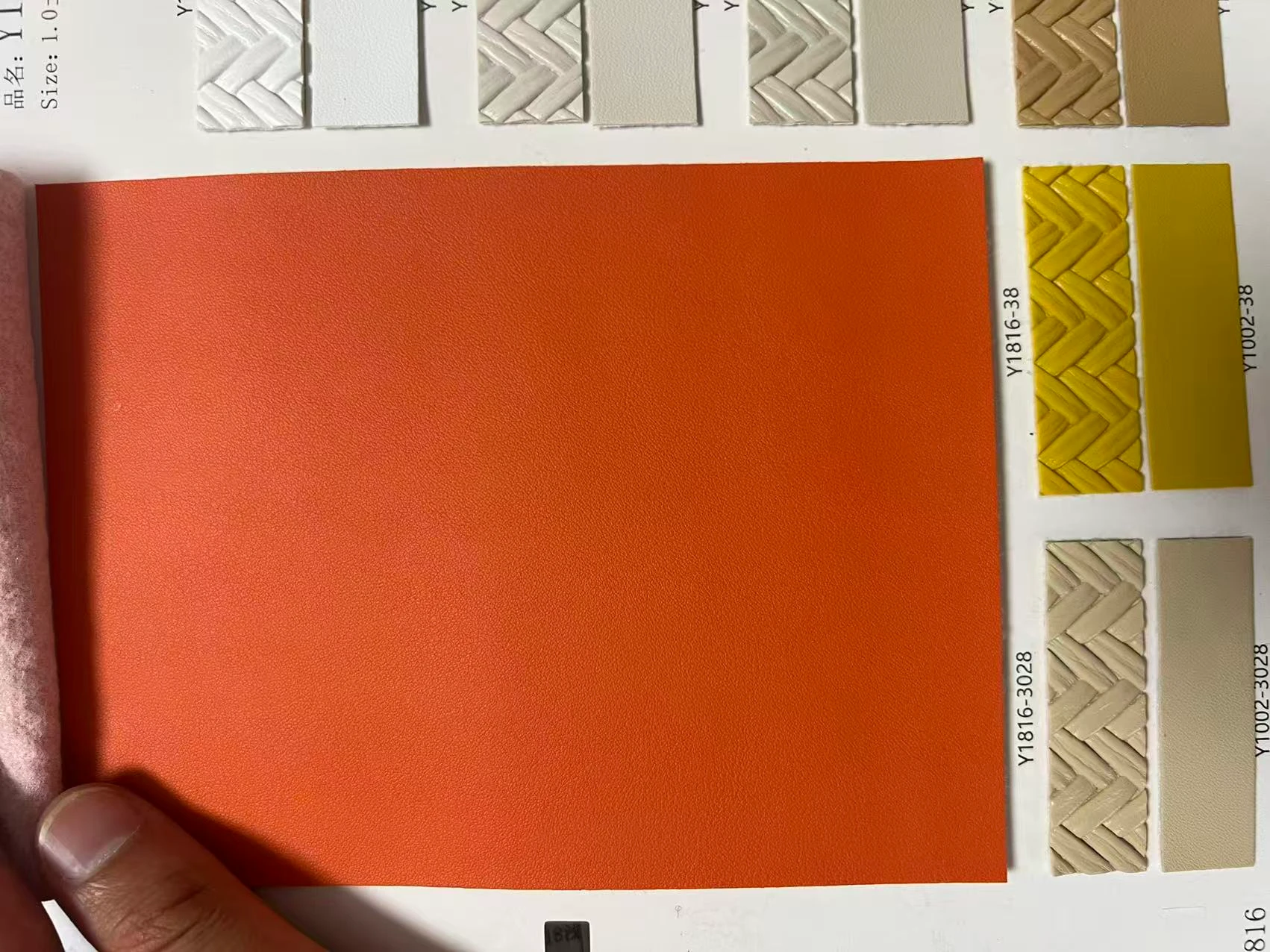
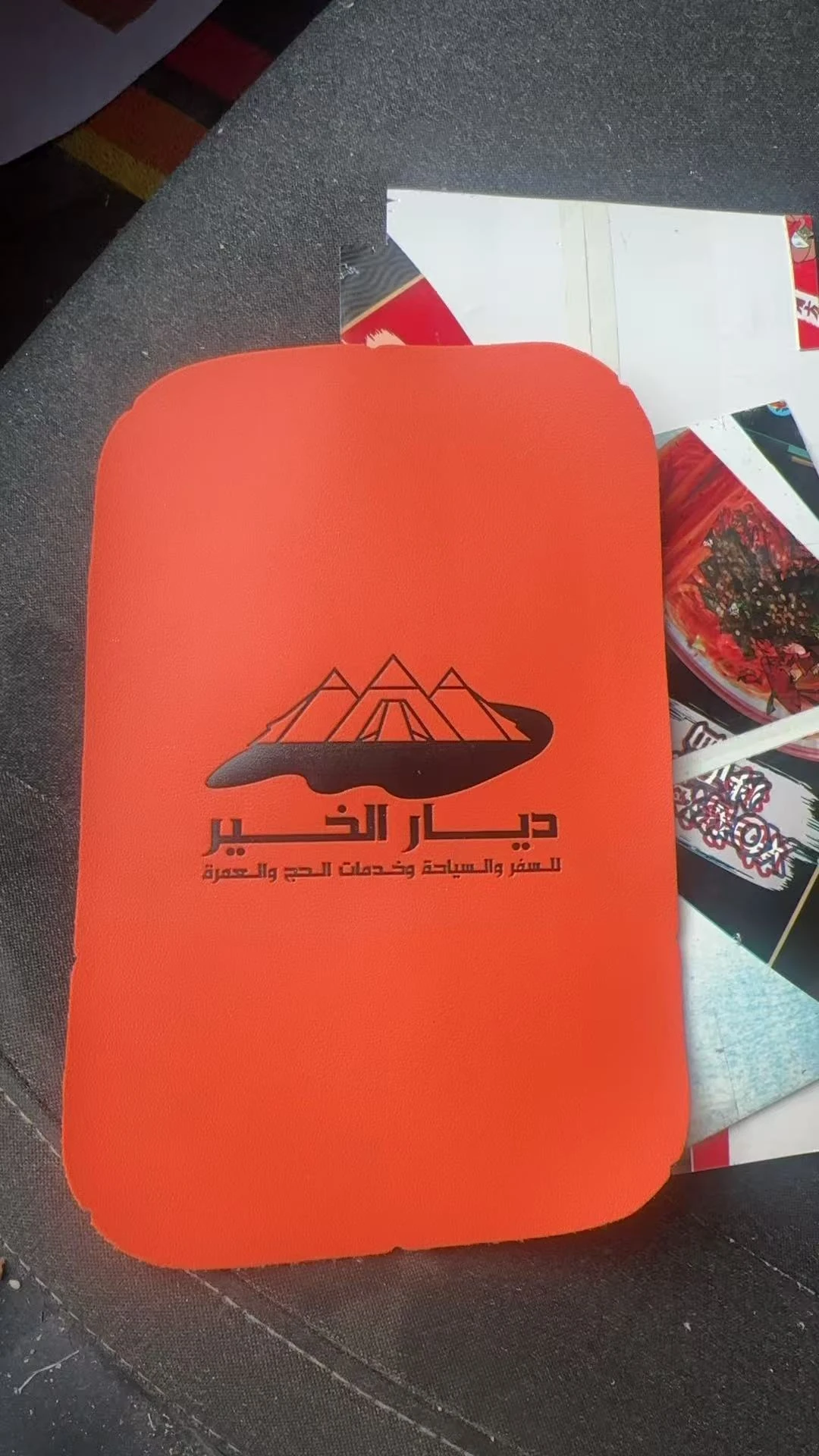
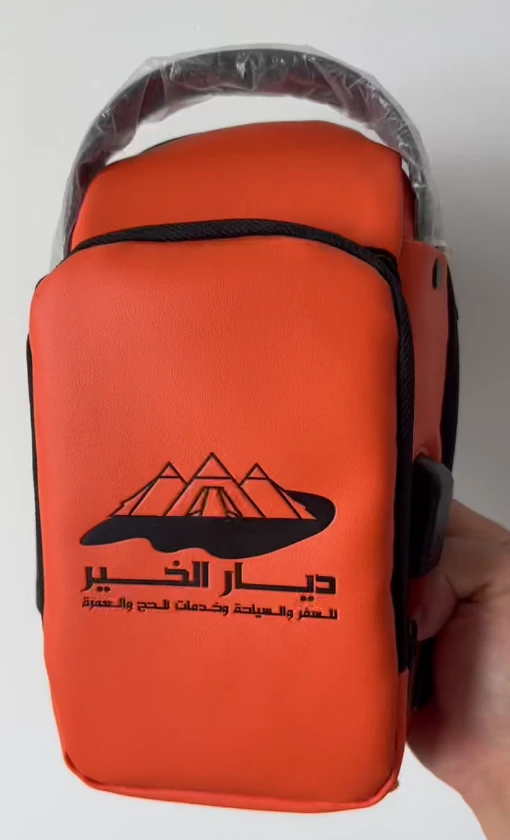
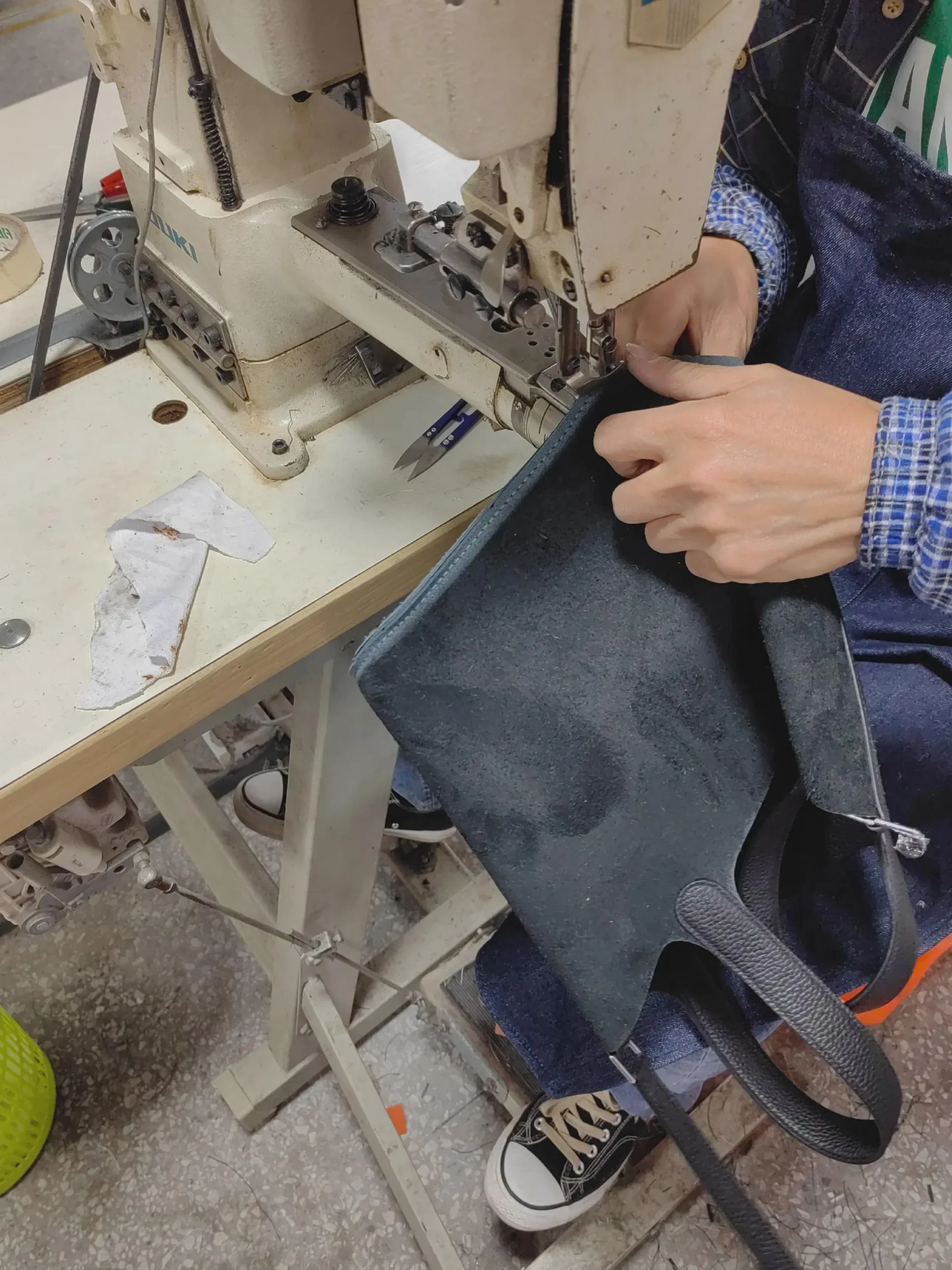
What affected this project timeline
Material color and logo effect both required confirmation before the physical sample could be finalized. The project then waited for the buyer to receive and approve the physical sample before bulk production was released.
What helped keep production moving
The buyer responded at each approval checkpoint without requesting another sample revision. Once the physical sample was approved on July 8, bulk production could proceed through completion on July 23.
FAQ
It depends on the project. Material availability, sample approval, logo method, structure, packaging, quantity, production schedule, documentation, and shipping preparation all affect the final timeline.
Production lead time is the time needed to move an approved custom bag project through material preparation, production setup, sewing or assembly, logo application, quality review, packing, and shipment readiness.
Lead time can be affected by sample development, material availability, artwork approval, logo setup, structure, components, MOQ, quantity, packaging, revisions, documentation, inspection needs, and shipping preparation.
Yes. Sample development helps confirm material, structure, logo method, packaging, and approval details before bulk production. Revisions or late changes can affect the production schedule.
Stock materials may support faster review than custom materials, but availability still needs confirmation. Color, weight, coating, supplier source, and order quantity can still affect scheduling.
They may. Custom colors, custom fabrics, coatings, special finishes, certified materials, or documentation-sensitive sourcing can add supplier review, swatch approval, and sample checks.
Yes. Screen printing, heat transfer, embroidery, labels, patches, metal plates, custom pullers, molds, and artwork approval can all affect setup, sampling, and bulk production timing.
Yes. Retail packing, hangtags, inserts, barcodes, polybags, carton marks, shipping labels, and sales-channel requirements can affect artwork approval, packing preparation, and shipment readiness.
Rush timing should be reviewed case by case. It depends on material availability, sample approval, logo method, quantity, production schedule, packaging needs, shipping preparation, and destination.
Not always. Small orders still need sourcing, setup, sample review, logo preparation, packaging planning, and production scheduling. The actual timeline depends on the project details.
Delays can happen when artwork, material, structure, logo method, packaging, quantity, documentation, order confirmation, or buyer approval changes after the timeline has been reviewed.
Send product type, reference photos, size, material direction, logo artwork, target quantity, sample deadline, bulk delivery target, packaging needs, shipping destination, and any documentation or sales-channel requirements.
Northline Bags can help review production lead time when project details, shipping method, destination, customs process, carrier schedule, and buyer-side receiving requirements are clear.
Start as early as possible once the product idea, launch date, material direction, logo artwork, quantity, packaging needs, and approval process are known. More custom details usually need more review before production.
Need Help Planning a Custom Bag Production Timeline?
Send Northline Bags your bag type, reference photos, material direction, logo artwork, target quantity, target cost, packaging needs, sample deadline, bulk delivery target, and shipping destination. The team can review lead time, MOQ, cost, and production feasibility before sampling or bulk production planning.