Custom Bag Function & Structure Design Guide
Turn a reference photo, sketch, or existing sample into a clearer manufacturing direction. Define what the bag must carry, how it should open and be carried, where it needs support, and which details must be confirmed before quotation and sampling.
What Does Custom Bag Function and Structure Design Mean?
Custom bag function and structure design defines how a bag works before the factory develops the pattern and sample. It covers the intended use, dimensions, gusset, opening, compartments, carrying system, lining, padding, bottom support, reinforcement, material behavior, hardware positions, and usable branding areas.
A reference image can show the visual direction, but it rarely shows pocket depth, internal construction, handle attachment, zipper length, reinforcement, or the size of the items the bag must carry. Those details should be clarified in the wider custom bag manufacturing process before the first sample is treated as a production reference.
The goal is not to make every decision before contacting a factory. The goal is to separate confirmed requirements from details that are still open for review, so quotation and sampling can start from the same understanding.
| Decision | What the buyer should clarify | Why it matters |
|---|---|---|
| Intended use | Target user, sales channel, carried items, and expected access | Defines the functional priority of the bag |
| Size and opening | Outer dimensions, gusset, opening direction, and required item sizes | Affects proportion, pattern pieces, access, and packing |
| Carrying method | Handle drop, strap type, adjustment, attachment, and padding | Affects the carrying system and reinforcement points |
| Internal structure | Compartments, pockets, lining, padding, and bottom support | Affects organization, shape, components, and assembly |
| Approval reference | Specification, sample, artwork, and confirmed change notes | Gives quotation, sampling, and production teams one reference |
Start With the Buyer’s Use Case, Not Only the Outside Shape
Two bags with a similar silhouette can require different construction. A retail tote may need a clear print panel and efficient folded packing. A backpack may need controlled access, a laptop compartment, padded shoulder straps, and reinforcement around the upper strap attachments. A travel bag may need a wider opening, bottom support, webbing handles, and removable-strap hardware. A structured handbag may depend on panel shape, edge construction, lining, opening hardware, and base support.
Describe the items the bag must carry and how the user should reach them. If a pocket is required, state what it holds and whether it should zip, stretch, remain open, or sit inside the main compartment. If the bag must stand, fold flat, protect a device, fit retail packaging, or pack into a defined carton, include that requirement before the structure is fixed.
| Bag direction | Structure questions to resolve | Related commercial page |
|---|---|---|
| Tote bag | Gusset, handle drop, closure, base support, logo panel, and folded packing | Custom tote bag projects |
| Backpack | Main access, compartment layout, shoulder straps, back panel, padding, and reinforcement | Custom backpack projects |
| Travel bag | Opening width, carrying system, bottom construction, webbing, hardware, and packing volume | Custom travel bag projects |
| Handbag | Silhouette, panel construction, lining, opening, handle attachment, hardware, and shape support | Custom handbag projects |
Turn the Use Case Into a Buildable Structure
Structure becomes easier to review when each requirement is connected to a physical panel, opening, component, or attachment point. Rough dimensions are useful, but they should be checked with the intended contents and proportions. A laptop compartment should be based on the device size. A bottle pocket should consider the bottle diameter and access direction. A handle should be reviewed with the carry position and expected load direction.
The pattern stage translates the approved silhouette, dimensions, gusset, pocket layout, and seam direction into production pieces. Changes made after pattern development may require another sample or updated construction reference, so unresolved details should be identified early.
Dimensions and Proportion
Confirm length, height, depth, gusset, opening width, handle drop, and strap direction. Photos can distort proportion, so provide rough measurements or a reference item whenever possible.
Compartments and Access
Separate essential storage from optional features. Every zipper pocket, sleeve, divider, bottle pocket, or quick-access opening adds a pattern and assembly decision. The access direction should match how the user holds and opens the bag.
Shape and Internal Support
Clarify whether the bag should be soft, foldable, padded, semi-structured, or shape-retaining. Lining, foam, piping, binding, side panels, and bottom support should be selected for the intended structure rather than added as generic features.
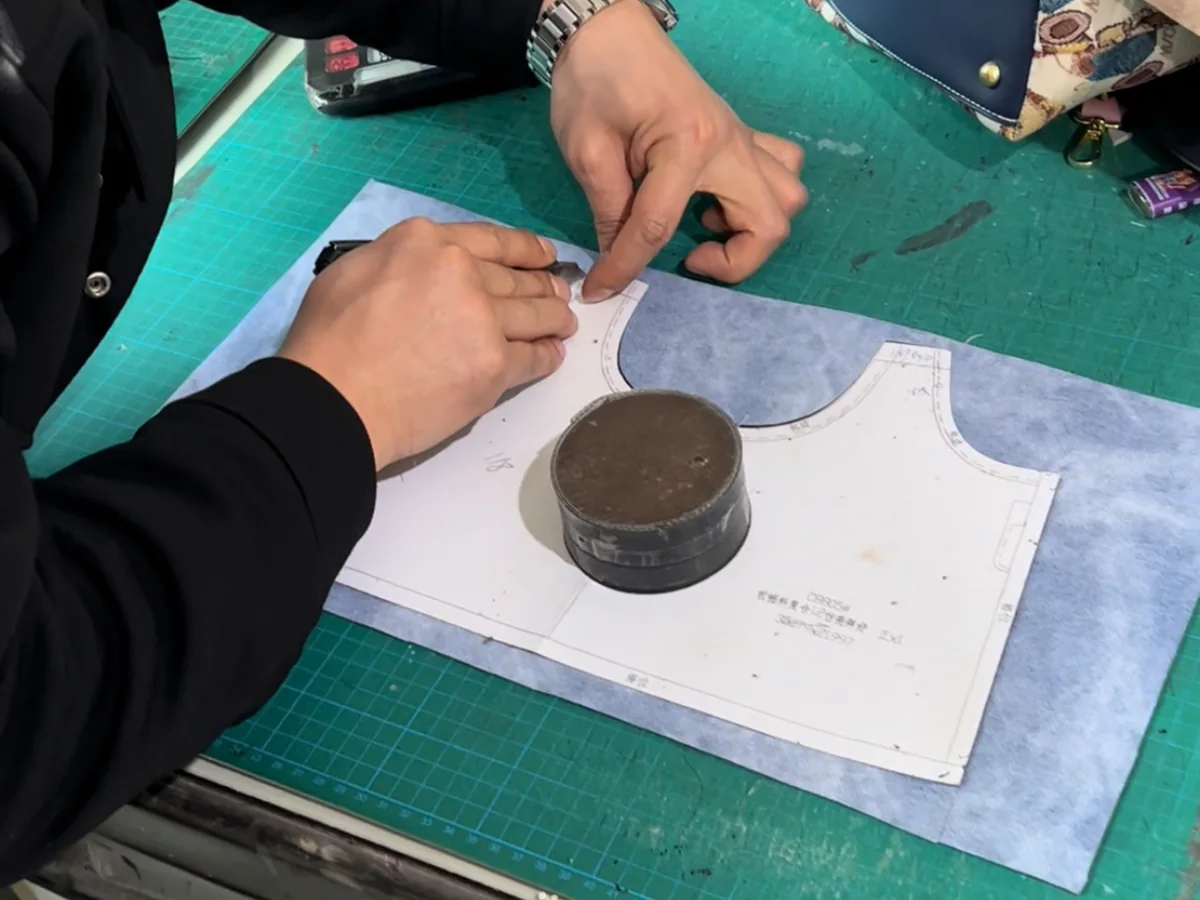
Pattern review converts the approved shape and panel layout into production pieces before cutting and assembly.
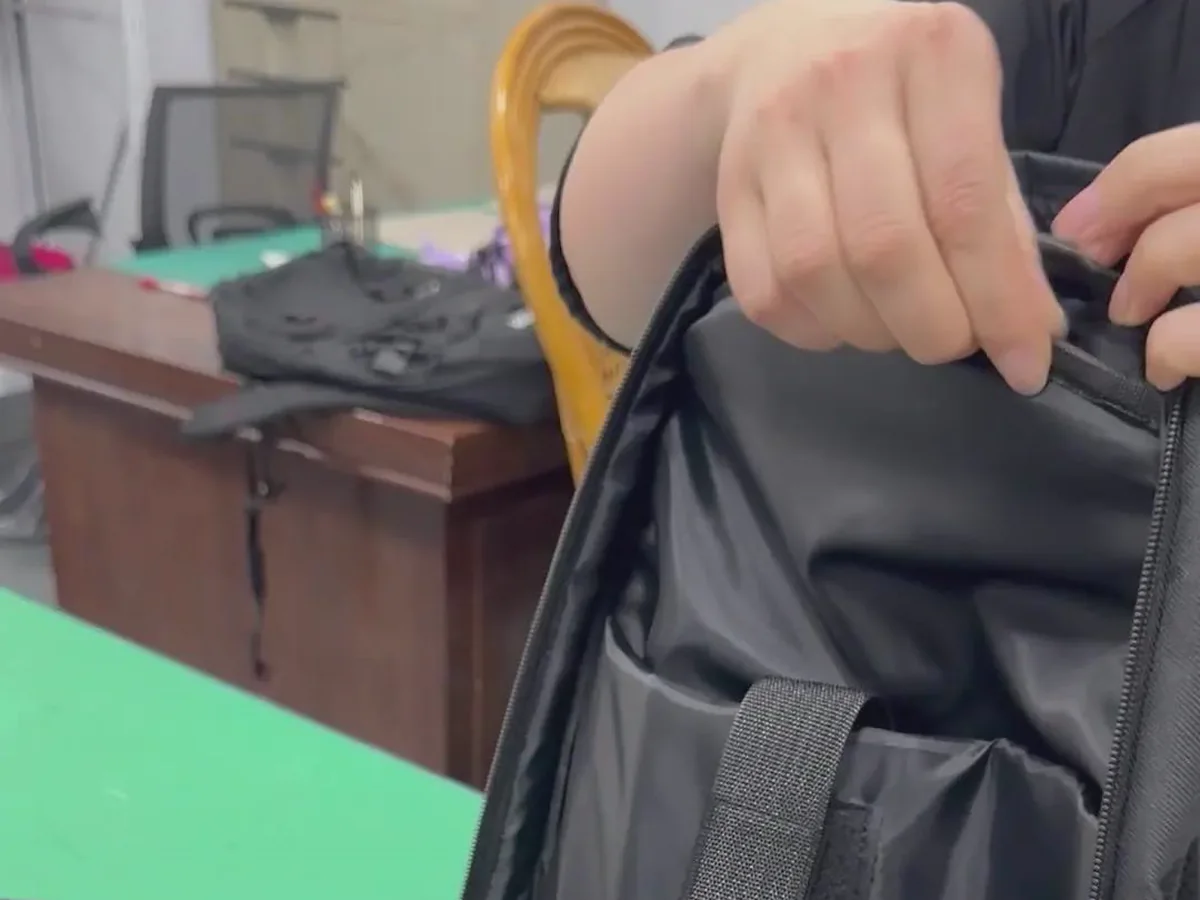
Shoulder-strap attachment and internal reinforcement should be reviewed against the intended carrying direction and approved sample.
Review Carrying, Access, and Reinforcement Together
Handles and straps should be reviewed as part of the bag structure, not as isolated accessories. State whether the bag is hand carried, worn on the shoulder, used crossbody, or worn as a backpack. Include handle drop, strap width, adjustment direction, padding needs, attachment position, and any removable hardware.
Reinforcement should be considered around handle ends, shoulder-strap attachments, zipper ends, pocket openings, corners, bottom panels, webbing connections, and hardware mounting points. The correct construction depends on the intended contents, material layers, sewing method, and approved sample. Exact load or comfort performance should only be stated when supported by an agreed test or review method.
Components Must Fit the Structure
For component-specific decisions such as zippers, buckles, D-rings, webbing, pullers, and bottom fittings, use the Custom Bag Hardware and Components Guide.
Match Structure With Material and Branding
Material choice affects whether a bag folds, holds shape, accepts tight curves, supports padding, or works with a selected seam and edge finish. Review the material together with the intended structure through the Bag Material Selection Guide instead of choosing it from appearance alone.
Branding also needs a defined panel. Seams, zipper routes, curves, pockets, padding, folded edges, and hardware can reduce the usable logo area. Confirm the proposed logo size and position on the actual panel or sample. The Custom Bag Logo Methods Guide can help compare methods after the material and panel construction are known.
When structure, materials, components, and branding are reviewed together, the factory can identify conflicts before they become sample revisions. This does not guarantee that the first proposal will be final, but it creates clearer points for buyer approval.
What to Send Before Quotation or Sampling
Send the information you already have and mark uncertain details as open for review. A useful first package includes:
- A reference photo, sketch, tech pack, or existing sample
- Bag type, intended use, target user, and sales channel
- Rough dimensions and the size of important carried items
- Required compartments, pockets, opening, and closure direction
- Handle or strap type, adjustment, attachment, and padding needs
- Soft, padded, semi-structured, foldable, or shape-retaining direction
- Material and color direction, if known
- Logo artwork, preferred placement, and approximate size
- Target quantity, packaging needs, destination market, and timing expectations
- The person or team responsible for sample approval
Use the Custom Bag Specification Sheet Guide to organize confirmed details. The physical structure should then be checked through custom bag sample development before bulk production requirements are finalized.
FAQ
Can I start with only a reference photo?
Yes. Mark what should stay, what should change, and what the bag must carry. Add rough dimensions and any required pockets, straps, materials, or logo positions so the factory does not have to infer hidden details from the photo.
How should I decide the bag dimensions?
Start with the intended contents, access method, body proportion, and packing requirement. Provide the size of important items such as a laptop, bottle, retail set, or packaged product, then review the outer dimensions and gusset around those needs.
Do extra pockets change the quotation?
They can. Pockets may add pattern pieces, lining, zippers, binding, material usage, sewing steps, and review points. Separate essential pockets from optional ones so the quotation reflects the intended function.
How are handle and strap reinforcement decisions confirmed?
They should be reviewed against the intended carrying direction, contents, material layers, attachment method, and approved sample. Where a specific load requirement applies, agree on a suitable test or review method before making a performance claim.
When should the material and logo method be selected?
Review them while the panel structure is still open. Material behavior can affect shape and sewing, while seams, pockets, curves, and padding can limit logo placement or method.
When is the bag structure ready for production?
The structure is ready to move forward when the relevant dimensions, pattern direction, materials, components, branding, sample changes, and approval reference are confirmed for the project. Bulk requirements should follow the approved sample and written specification.
Plan Your Custom Bag Structure Before Sampling
Send Northline Bags your reference images, intended use, rough dimensions, carried items, compartment needs, carrying method, material direction, logo position, target quantity, and sample expectations. We can review which details are confirmed and which still need development before quotation and sampling.